
Bee Facts

Types of Bees in a Hive
Bee Facts

Types of Bees in a Hive

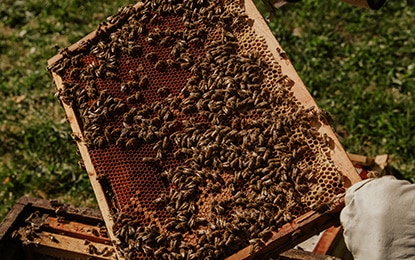
Bees are essential for the pollination of many crops and plants, and they play a vital role in the ecosystem. Honey bees live in hives that are controlled by a strict hierarchy. There are three types of bees in a hive: the queen, the drones, and the workers. The queen is the only female that can lay eggs, while the drones are males whose sole purpose is to mate with new queens. The workers are sterile females who do everything else, including building the hive, collecting nectar and pollen, and caring for the young. Each type of bee has a specific role to play in the hive, and they all work together to keep the hive functioning. The Three Types of Bees in a Hive The queen bee is the most important member of the hive. She is the only female that can lay eggs, and she controls the hive with her pheromones. The drones who mate with the queens do not have stingers, and they cannot collect nectar or pollen. The workers are females who do the most jobs in and around the hive. They are in charge of building the hive, collecting food, and taking care of the young. They are the only bees that have stingers, and they will sacrifice their lives to protect the hive. Each type of bee is valued for its specific role, and if any of these bees stopped working, it would be detrimental to the hive. The Importance of the Queen Bee The queen bee is the most important bee in the hive. She is the only bee that can lay eggs and her sole purpose is to reproduce. The worker bees are all female but they cannot lay eggs. The drones are male bees and their only purpose is to mate with the queen. If the queen dies, the worker bees will create a new one by feeding one of the larvae royal jellies. Royal jelly is a special food that worker bees make for the queen and larvae. It is secreted from glands in the heads of worker bees and is very nutritious. The queen lays up to 2000 eggs per day during the spring and summer. In the winter, she slows down her egg production, but she does not stop laying eggs entirely. The life span of a queen bee is usually three to five years, but some have been known to live up to seven years. Queens typically mate with around 10 drones on their nuptial flight and store enough sperm to last them their lifetime. The Drones of a Hive The drones of a bee hive are the male bees. Their main purpose is to mate with the queen bee. They do not have stingers and cannot collect pollen like the worker bees. The drones typically live for around 6 weeks. After they mate, they die. There are usually around 200 drones in a hive during the summer months. In the winter, the drones are kicked out of the hive, because they do not contribute to the survival of the colony. Some people believe that drones are lazy because they do not work like the other bees in the hive. However, they play an important role in the life of a bee colony. The Workers of a Hive The worker bees are sterile females, and they make up the vast majority of the hive. They live for around six weeks during the busy summer months, and their lifespan can be extended to several months if they are needed to overwinter the colony. During their short lives, worker bees perform a variety of tasks, including cleaning the hive, building wax comb, and ventilating the hive. They also need to protect the hive from predators and parasites. The worker bees are an essential part of the hive, and without them, the colony would not be able to survive. The Hive All Work Together The hierarchy of honey bees is important to understand in order to appreciate the inner workings of a hive. Each bee has an important role to play in the colony, and they work together to ensure the survival of the hive. Honey bees work hard for their community so they can all thrive together! At Honey Bees Roofing & Solar, we strive to be like the honorable honey bee. Just like how many ecosystems rely on the honey bee, Fort Worth, Texas, and the surrounding areas depend on local roofing companies to protect their homes by providing high-quality roof repairs and replacements. By making sure our work is top of the line as well as efficient, we can ensure we’re doing our best to better our local community. If you need a hardworking roofing contractor for your next project, Contact Honey Bees Roofing & Solar online or give us a call today at 817-668-6131!

How do Honey Bees Create Honey?
Bee Facts

How do Honey Bees Create Honey?

Honey Bees Roofing & Solar has always respected the noble honey bee. They’re hard workers and have a sense of community that is unparalleled! Honeybees are incredible and can do some amazing things for their colony. The thing they’re most famous for is their honey. Honey is delicious and it’s mind-blowing that such a small creature can make such a unique substance. But have you ever considered how honeybees create honey? Well, we have the information you’ve been looking for! How Do Honeybees Create Honey? Honey production starts with nectar. Nectar is a sugar-rich substance that flowers make to attract pollinators. Bees, being a pollinator, are the exact customers flowers are looking for. Honeybees collect the nectar, and in the process pollinate many flowers. They take the nectar back to the hive and put it into a honeycomb for storage. The nectar then evaporates, due to the shape of the honeycomb and the flapping of the bee’s wings. The byproduct is left over is honey! Why are Honey Different Colors? The nectar of flowers is different between species. That means honey can vary change depending on what type of flower the bees collect nectar from. The change is in color, as well as flavor. Orange blossom honey has a light color, which contrasts with honey made from wildflowers which is a darker amber color. There are many variations of honey, and they all have a unique taste! Is Honey Made of Bee Vomit? Many people think that bees eat the honey and then vomit it back up once they reach the hive, However, this isn’t true. Honeybees store the nectar in a special area of their body known as their “honey stomach” It sits in the honey stomach and combines with a special mix of enzymes that help the transformation from nectar to honey. A bee’s actual stomach is in a different location. How Much Honey Can a Hive Make a Year? Everyone knows that bees need honey to survive, which raises an interesting question. How much honey do honeybees make in a year? Beekeepers pay close attention to their hives to make sure that they don’t take too much, but there’s plenty to go around. In fact, an average honeybee hive will make 55 pounds of surplus honey. That’s 55 pounds in addition to what they need to thrive. Beekeepers typically have multiple hives, which means hundreds of pounds of honey each year! Honeybees work hard for their community so they can all thrive together! At Honeybees Roofing & Solar, we strive to be like the honorable honeybee. Just like how many ecosystems rely on the honeybee, Fort Worth, Texas, and the surrounding area depend on local roofing companies to protect their homes by providing high-quality roof repairs and replacements. By making sure our work is top of the line as well as efficient, we can ensure we’re doing our best to better our local community. If you need a hardworking roofing contractor for your next project, Contact Honey Bees Roofing & Solar online or give us a call today at 817-668-6131!

How Do Honey Bees Survive the Cold?
Bee Facts

How Do Honey Bees Survive the Cold?

Honey bees are remarkable creatures. They have an unparallel sense of community, as well as a work ethic to aspire towards. However, like most animals, the change of the seasons is what they’re always working towards. Honey Bees Roofing & Solar loves honey bees and wants to share more about these incredible insects. Today we’ll explain how honey bees survive the cold. A Steady Supply Once sugar sources, like nectar from flowers, start to dwindle bees will close up the hive for the winter. The main ingredient to honey bee’s success during the winter is their honey supplies. They spend all year making an excessive amount of honey so they’ll have enough to make it through the winter. If they don’t have enough honey to make it through the winter, the bees will run out of energy and freeze to death. However, bees have been doing this for thousands of years so it’s not a common occurrence. Honey Bee Clusters With a solid amount of honey, and the temperatures dropping, the honey bees close the hive. Then they cluster together around the queen bee and the rest of the brood. The honey bees on the outside of the cluster will start to vibrate their thoraxes. The heat that is given off from the movement is enough to keep the whole colony warm. The bees can also tighten or loosen around the cluster to let more or less air through to keep the ideal temperature all season. Working together the bees can keep the center of the cluster at 93 degrees Fahrenheit. Through the winter the honey bees will slowly move around the hive to eat honey and keep up the vibrations. The honey allows them to stay warm all winter long. What About Bee Keepers? If honey bees need as much honey as they can get to survive the cold, why do beekeepers take their honey? Bees are actually so good at their jobs they typically make more honey than needed over the summer. The average hive can produce more than 200 pounds of honey during the course of a year. Beekeepers can actually take between 30 and 60m pounds of honey without threatening the colony’s ability to survive the winter. To ensure a colony’s survival most bee keepers leave more honey than the bees will need to make it through. By keeping track of how much honey a keeper takes from the bees, they can make sure the colony will be producing honey for years to come. Honey bees survive the harsh cold of winter by using honey as a fuel source to keep the worker bees vibrating for warmth all winter long. At Honey Bees Roofing & Solar, we strive to be like the noble honey bee. By making sure our work is top of the line as well as efficient, we can ensure we’re doing our best to better our local community. If you need a hardworking roofing contractor for your next project, Contact Honey Bees Roofing & Solar online or give us a call today at 817-668-6131!
The Importance of Honey Bees in North Texas
Bee Facts

The Importance of Honey Bees in North Texas

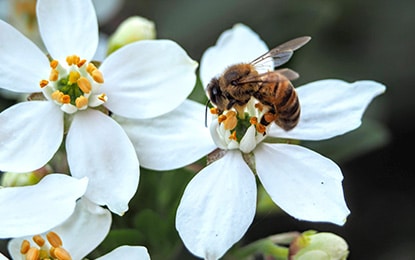
Honey bees are magnificent creatures. They are the workhorse of the animal kingdom and keep our world turning. In North Texas, the humble honey bee has major importance to the community and economy. At Honey Bees Roofing & Solar we appreciate honey bees and all they do for our home and community. The importance of honey bees in North Texas is something we’d like to share with you, so you might have a better appreciation for our buzzing friends. Honey The most obvious thing honey bees do is make honey! Day in and day out domestic and wild honey bees are making their namesake, sticky and sweet honey. Honey bees kept by beekeepers make millions of pounds of honey. In 2019, Texas alone made 7.4 million pounds of honey. Texas beekeepers sell the honey to the community, but also worldwide. Selling at an average of $8 to $10 per pound retail, honey bees are a staple to the North Texas economy. Pollination Another major importance of honey bees in North Texas is their pollination ability. Most pollination in Texas is carried out by bees. Pollination is what allows all plants to reproduce. Without honey bees, most plant life would cease to exist. One-third of food eaten by Americans is pollinated by the noble honey bee. Things like cotton, vegetables, citrus, corn, wheat, peanuts, and pecans all require bees to keep growing year after year. All of those things are also major crops for Texas. Not only do bees hold up the entire ecosystem with pollination, but also every farm in the world counts on it. Without honey bees, many of the crops North Texas depends on would not be able to grow. Bee Trouble Honey bees are in trouble. The populations of domestic and wild bees are starting to decline. This is in part due to Africanized bees as well as a multitude of parasites and diseases that threaten bees. Africanized bees are much more aggressive and territorial than normal bees. This aggression extends to other bees as well as humans, causing a threat to native Texan bees. Varroa mites, a parasite that affects bees, are also a large problem in the bee community. They can destroy whole colonies, as well as infect bees with viruses to spread even more damage. The threats bees face are growing, and that’s a worry for North Texas. Honey bees are an important part of our farmland, nature, and economy. We should work to help the honey bee, so they can continue to help us. Honey bees are vital to the ecosystem of Texas and beyond. By providing North Texas with honey, and pollinating our plants they are an important part of our community. At Honey Bees Roofing & Solar, we strive to be like the noble honey bee. By making sure our work is top of the line as well as efficient, we can ensure we’re doing our best to better our local community. If you need a hardworking roofing contractor for your next project, Contact Honey Bees Roofing & Solar online or give us a call today at 817-668-6131!
How do Honey Bees Build Their Hives
Bee Facts

How do Honey Bees Build Their Hives?

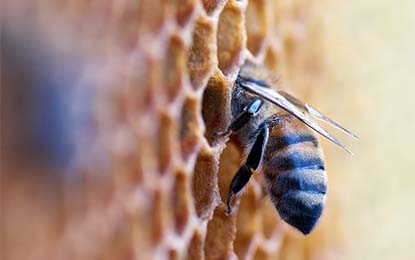
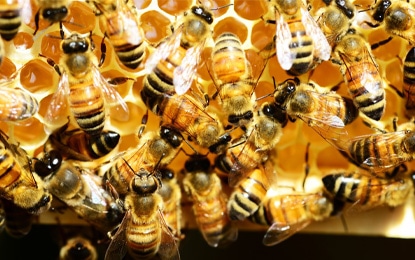
Honey bees are amazing creatures and have always inspired us at Honey Bees Roofing & Solar. Bees are hard-working and diligent creatures that are always working towards what’s best for the hive. However, not everyone knows quite what goes into the work of the honey bees. One major job for honey bees is building and caring for their hive, but how do honey bees build their hives? Creating the Materials Honey bees make their hives out of hexagonal tubes made of wax. When a worker bee turns around ten days old they become able to create this wax, using sugar content from honey. The bees secrete the wax from their abdomen. After secreting the wax, bees gather it and soften it by chewing the wax. The honey bees then work together to work with the wax to create the six-sided tubes, or cells, that make up the hive. They repeat this process thousands of times to build up the honeycombs they’ll live in. Just one hive can house 100,000 individual cells all made by the worker bees. Bees store honey near the top of the hive. They store pollen around the middle of the hive and use the lower-most cells to raise the honey bee queen’s larvae. Why Hexagons? Honeycomb is the broad term for the structure of hexagonal cells inside a beehive. But why do bees always use hexagons? Well, a roman known as Pappus of Alexandria hypothesized that it allowed for the hive to spend less wax and energy creating the wall, while simultaneously maintaining as much storage space and structure as possible. This was proven correct in 1999 by mathematician Thomas C Hales and is now known as the Honeycomb Conjecture. Honey bees have been using advanced building techniques for thousands of years to maintain their homes. They even measure each cell using their bodies to make each cell perfectly. Where Hives are Located Honey bees can live all over the world, both in the wild and in domestication. In the wild, they try to create hives off of the ground, like in trees and rock crevices. They also will rarely make their homes inside the walls of buildings. Honey bees in temperate climates have to store large amounts of honey as insulation for their nests in the warmer months. More tropical bees don’t need to keep as much honey on hand since the weather is more consistently warm. Honey bees build their hives using wax they can secrete to make mathematically efficient honeycombs to get the most out of their space. They work hard every day for the betterment of their community. At Honey Bees Roofing & Solar, we strive to be like the noble honey bee. By making sure our work is top of the line as well as efficient, we can ensure we’re doing our best to better our local community. If you need a hardworking roofing contractor for your next project, Contact Honey Bees Roofing & Solar online or give us a call today at 817-668-6131!

Honey Bees Roofing

525 E Bethesda Rd.
Burleson, TX 76028
Phone 817-668-6131

Support

Important Links

FAQ

Contacts

Contacts

(732) 262-3141
380 Birch Bark Dr
Brick, New Jersey(NJ), 08723


525 E Bethesda Rd.
Burleson, TX 76028
Phone 817-668-6131

Scroll to Top