Solar

Why Solar Power Is a Cost-Effective Energy Solution for Homeowners
Solar

Why Solar Power Is a Cost-Effective Energy Solution for Homeowners

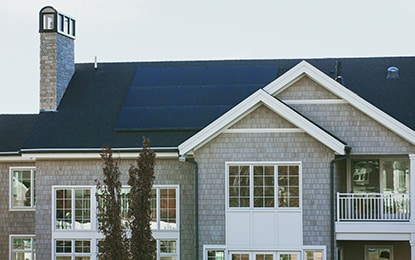
The idea that having solar panels on your house could increase energy costs for your neighbors was a common misconception. However, a new analysis has shown that solar panels actually reduce electricity costs for everyone, even those living nearby. Solar panels essentially act as an investment in the local utilities by reducing peak demand on the traditional grids, meaning that utilities don’t need to invest as much money into the infrastructure. You are essentially investing in the local utilities by having solar panels connected to the grid. Calculating Solar Power Costs Using the discounted cash flow method, you can compare the costs and benefits of a solar system over time. This involves looking at all the costs associated with installing a solar system, such as the installation fee, maintenance costs, and subsidies, and then factoring in the amount of energy expected to be saved over time. You then calculate the system’s net present value (NPV), which is the sum of all the future savings minus the initial costs. If the NPV is positive, solar power makes financial sense. To evaluate the viability of solar power, a calculation of the levelized cost of electricity (LCOE) is often done instead of using the DCF method. The LCOE for home solar is shown as a cost per kilowatt-hour ($/kWh or ¢/kWh), which is the same format as the electricity bills. This cost is then compared to electricity from the local utility. Use this equation to calculate the LCOE: LCOE ($/kWh) = Net Present Value (NPV) of the Lifetime Cost of Ownership ($) / Lifetime Energy Output (kWh) The useful life of a PV solar module is generally assumed to be 25 to 40 years The cost of owning something includes the money you spend over time to maintain it. To figure out how much this will cost, you need to consider all the expenses and reduce the total cost to get the net present value. You can then compare this with what you would pay for electricity from the utility company. The relevant price you should focus on is the one that applies when your photovoltaic solar system is producing the most electricity. Is Solar Power Worth It? By doing the math, you can calculate the years until a solar system will be cost-effective in terms of savings. Depending on the sunlight hours available in your area and the energy you usually use, the time it takes for the system to pay for itself can range from five to twenty years. If you live in a sunny area and use a lot of energy, you could see returns on your investment in as little as five years. Ultimately, it is up to the homeowner to decide if solar power is a good investment for them. Although the financial returns may take some time to be seen, the advantages of switching to solar energy are worth considering. If you intend to stay in your house for a long period, and there are subsidies available in your area, then the potential rewards of installing solar power could be substantial. Nevertheless, it is important to weigh the pros and cons before deciding. Conclusion Solar power is an excellent, cost-effective energy solution for homeowners. It has several advantages over traditional energy sources, such as lower electricity bills, reduced environmental impact, and increased energy independence. Solar power can be easily installed and maintained, and government incentives are available for those who choose to switch to solar. With all these benefits, it is easy to see why solar power is becoming increasingly popular among homeowners. Honey Bees Roofing and Solar is a trusted roofing contractor and solar contractor for residential and commercial spaces. The expert team at Honey Bees Roofing and Solar prides itself on delivering the best solar systems in Burleson and the surrounding areas. If you are considering solar power roof installation in Burleson, get in touch with us today! Call us at 817-668-6131 for a free solar consultation.
How Solar Panel Installation Can Increase Your Home's Value
Solar, Solar Installation

How Solar Panel Installation Increases Your Home’s Value

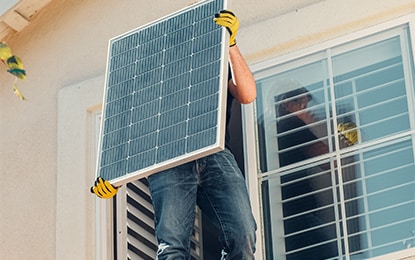
As home values continue to appreciate across the United States, many homeowners are wondering if solar panel installation will help increase their home’s value. The answer is yes! In fact, solar panels are one of the most popular home improvement projects that people are investing in because of the numerous benefits they offer. Honey Bees Roofing & Solar is a solar expert and knows exactly how solar panel installation can increase your home’s value. Not only does solar panel installation increase a home’s value, but it also decreases the cost of energy bills and helps to protect the environment. Solar panels are a wise investment for any homeowner looking to improve their home’s value and reduce their carbon footprint. Solar Panels Increase a Home’s Value One of the main reasons homeowners are choosing to install solar panels is because of the value they add to a home. A study by the National Renewable Energy Laboratory found that homes with solar panels sold 20% faster and for 17% more money than homes without solar panels. This is because solar panels are seen as a valuable amenity by homebuyers. Not only do solar panels increase a home’s resale value, but they also make it easier to sell your home in the first place. Solar panel installation is one of the most popular home improvement projects, so buyers will be interested in your home if it already has this feature. Solar Panels Decrease the Cost of Energy Bills In addition to increasing a home’s value, solar panels also help to decrease the cost of energy bills. Solar panels generate renewable energy that can be used to power your home, which means you’ll save money on power. In fact, the average homeowner can save up to $30,000 during the life of the panels by switching to solar power. Solar panels also offer energy independence, which means you won’t be as affected by rising energy costs. This is because you’ll be generating your own power and won’t have to rely on the grid. Solar panels help to protect the environment Another benefit of solar panel installation is that it helps to protect the environment. Solar panels generate clean, renewable energy that doesn’t release harmful emissions into the atmosphere. This is good for both your health and the planet. In addition, solar panels help to reduce our reliance on fossil fuels. By generating renewable energy, we can cut down on our use of these non-renewable resources. If You Want to Invest in Your Home, Consider Solar Many homeowners are installing solar panels to invest in their future. They lower the costs of energy bills and will enhance the worth of the house if you ever plan to sell. With the numerous benefits they offer, it’s no wonder solar panels are becoming so popular. If you’re thinking about installing solar panels, be sure to consult with a professional to get the best advice for your home. Call a Professional Solar panels are a wise investment for any homeowner looking to increase the value of their home and save energy. Solar panel installation has numerous benefits, including increasing a home’s resale value, decreasing energy bills, and helping to protect the environment. If you’re considering solar panel installation, be sure to consult with a reputable company to get the best results. If you’re interested in a roof inspection or solar panels, then Contact Honey Bees Roofing & Solar online or call us at 817-668-6131! We offer free roofing inspections so we can help you choose the best roofing option for your home. In addition, we can work on any type of roof and help you determine what may need to be repaired. If you need a free roof inspection, don’t hesitate to contact us!

Which Solar Panel Type is Best for Your Home?
Solar

Which Solar Panel Type is Best for Your Home?

Solar panels are an increasingly popular choice for powering homes and businesses. They are a sustainable and renewable source of energy that can help you save money on your electric bills. Solar panels come in a variety of types, and they each have their own advantages and disadvantages. Do you ever wonder which solar panel type is best for your home? Honey Bees Roofing & Solar will help you explore the different types of solar panels so that you can make an informed decision about which type is best for your home. Different Types of Solar Panels There are three main types of solar panels: monocrystalline, polycrystalline, and thin film. Monocrystalline solar panels are made from a single large crystal of silicon, while polycrystalline solar panels are made from multiple smaller crystals of silicon. Thin-film solar panels are made from a very thin layer of semiconductor material, typically just a few micrometers thick. Each type of solar panel has its own advantages and disadvantages. Pros and Cons of the Solar Panel Types Solar panels are an important part of any solar power system. They are used to convert sunlight into electricity, which can then be used to power homes and businesses. Solar panels come in a variety of sizes and shapes, and each type has its own advantages and disadvantages. It is important to choose the right type of solar panel for your specific application. Monocrystalline solar panels are the most efficient type of solar panel, but they are also the most expensive. They are typically used in commercial and industrial applications where space is at a premium and high efficiency is required. Polycrystalline solar panels are less efficient than monocrystalline solar panels, but they are cheaper to manufacture. They are a good choice for residential applications where cost is more important than efficiency. Thin-film solar panels are the least efficient type of solar panel, but they are also the cheapest to manufacture. They are often used in large-scale solar power plants where space is not a major concern. Which Solar Panel Type is Best for Your Home? There are a few things to consider when choosing the best type of solar panel for your home. First, you need to decide how much space you have available. Monocrystalline solar panels are the most efficient, but they also take up the most space. If you have limited space available, polycrystalline or thin-film solar panels may be a better option. Second, you need to consider your budget. Monocrystalline solar panels are the most expensive, while thin-film solar panels are the least expensive. Third, you need to decide what efficiency you require. Monocrystalline solar panels are the most efficient, but they may not be necessary for your specific application. Fourth, you need to consider the climate in your area. Thin-film solar panels perform well in cooler climates, while monocrystalline solar panels perform better in warmer climates. Call a Professional If you’re interested in a no-pressure educational conversation about solar energy or installing solar panels on your building or home, then contact Honey Bees Roofing & Solar online or give us a call today at 817-668-6131! We offer free roofing inspections so we can help you choose the best roofing option for your home as well. In addition, we can work on any roof and help you determine what may need to be repaired. If you need a free roof inspection, don’t hesitate to contact us!

Busting Myths about Solar Energy
Solar

Busting Myths about Solar Energy

Solar power is one of the most promising renewable energy sources available to us today. It’s clean, it’s efficient, and it has the potential to drastically reduce our reliance on fossil fuels. Despite its many benefits, solar power still faces some misconceptions. That’s why Honey Bees Roofing & Solar is here to bust some myths about solar energy. Myths About Solar Energy Solar Energy is Unreliable People often think that solar power only works when the sun is shining, but that’s not true. Solar panels can actually generate electricity on cloudy days. However, at night a solar system won’t be able to effectively make power. That’s not an issue though, as the power grid can take care of your home while the sun is down. If your solar panels make excess energy, it can be put into batteries instead of just going back into the grid. That can majorly assist your home when it’s dark out. Solar Panels are Only For People Who Care About the Environment For many years, solar energy has been something that was mainly sought by people who want to focus on cleaner energy options. But that’s no longer the case! Solar power is now being adopted by people from all walks of life, from businesses to homeowners to government organizations. The reason for this is simple: solar power makes economic sense. It’s becoming cheaper and more efficient every year, and it offers a real alternative to traditional energy sources. So whether you’re looking to save money or help the environment, solar power is worth considering. Solar Energy is Too Expensive One of the most common misconceptions about solar energy is that it’s too expensive. Yes, the initial cost of installing a solar power system can be significant. But when you compare it to the long-term costs of traditional energy sources, such as coal and natural gas, solar power is actually very affordable. Solar panels have come down in price by more than 70% over the last decade, and they continue to become more affordable every year. In addition, federal and state tax incentives can help offset the cost of going solar. When you factor in these incentives, the payback period for solar can be as little as 6 years. And once your solar power system is paid off, you’ll enjoy years of free, clean energy! Solar Panels Can’t Withstand Harsh Weather Solar panels are designed to withstand harsh weather conditions, including high winds and heavy rain. The panels are made of durable materials that can resist corrosion, and the frames are typically made of aluminum or steel. They are also equipped with special seals that prevent moisture from entering the electrical components. In addition, the panels are usually mounted on roofs or other elevated structures, which helps to protect them from severe weather. As a result, solar panels are an excellent choice for homes and businesses in areas that are prone to extreme weather conditions. Call a Professional Solar energy is still a growing technology, but it’s a worthwhile addition to any home. Many people believe that solar energy only works when the sun is shining, but that is not the case. Solar panels can actually generate electricity from the light reflected off of clouds. Additionally, solar energy can help save money on your electric bill, and it is not as expensive as many people think. Solar panels are also designed to withstand harsh weather conditions, so they are a reliable option for powering your home or business. Busting these myths about solar energy can help more people take advantage of this clean and renewable resource. If you’re interested in a no-pressure educational conversation about solar energy or installing solar panels on your building or home, then contact Honey Bees Roofing & Solar online or give us a call today at 817-668-6131! We offer free roofing inspections so we can help you choose the best roofing option for your home as well. In addition, we can work on any roof and help you determine what may need to be repaired. If you need a free roof inspection, don’t hesitate to contact us!

New 2022 Solar Tech
Solar

New 2022 Solar Tech

It’s no secret that solar energy is becoming an increasingly popular way to power homes and businesses. And with new 2022 solar tech improvements, it is only going to become even more popular. One of the biggest advancements is the improvement of perovskite cells. These cells are flexible and lightweight, and they’re also cheaper to produce than traditional photovoltaic cells. Additionally, there have been increases in the efficiency of solar panels themselves, meaning that more energy can be produced with fewer panels. There’s also a new way to recycle silicon that can be used in solar panels. This will help to reduce waste and make solar panels even more environmentally friendly. Finally, on the horizon, there are major battery upgrades with larger discharge times. With all of these advancements, it’s clear that solar energy is here to stay. A New Type of Solar Cell Perovskite cells are lightweight, flexible, and low-cost. They’re made of perovskite, a calcium titanium oxide mineral, and organic materials. They have promise and plenty of potential applications, including powering vehicles and boats. However, perovskite cells still have their challenges. They still aren’t very efficient, and they tend to be a little unstable. Luckily, researchers at the City University of Hong Kong have made a breakthrough with perovskite cell efficiency. By adding a layer of ferrocene, the cells can get an efficiency of up to 25%! It isn’t much, but it’s still an improvement. The technology still has a ways to go, but it may be a good idea to keep an eye on perovskite cells in the future. Increases in Efficiency Two years ago, the National Renewable Energy Laboratory (NREL) unveiled a solar cell prototype that can get up to 47% efficiency. It’s an impressive number, but unfortunately, the prototype hasn’t landed in the consumer market. There is a multitude of reasons for this, but it’s important to recognize the strides that technology is making. Ten years ago some of the most efficient panels were only around 15% efficiency, while today we’re pushing 23% efficient panels in the consumer market! Utilizing Recycled Silicon Solar panels are hard to recycle, which can hurt their appeal to those who want to better the environment. Luckily, the German research institute Fraunhofer ISE has come up with a way to recycle silicon solar panels and turn them into new solar cells that are 19% efficient! This is a technology that is potentially massive for the industry, and is a great step towards a brighter future for solar energy! More Energy Storage There have been large improvements in storing solar energy, which means even less reliance on the energy grid. Solar batteries are important for energy independence as well as backup power in case of emergencies. It seems we’ll have high-capacity batteries with ten-hour discharge times very soon! In addition, these larger batteries are becoming safer to use, which is critical for holding important portions of power. The potential of solar energy is ever-increasing! Solar Keeps Improving – Call a Professional This new 2022 solar tech is exciting, but the industry has been growing for years. There are so many reasons to install solar on your home, and it looks like there hasn’t been a better time to. If you’re interested in installing solar panels or would like a no-pressure educational conversation about sun energy then contact Honey Bees Roofing & Solar online or give us a call today at817-668-6131! We offer free roofing inspections so we can help you choose the best roofing option for your home. We are one of the leading solar installers for the Burleson and Fort Worth areas and can help you take steps to have one of the most energy-efficient options possible. If you want to have a lower energy bill, keep your home cooler, or help the environment with energy-efficient roofing options then don’t hesitate to contact us!

Do Solar Panels Work on Cloudy Days?
Solar

Do Solar Panels Work on Cloudy Days?

As more and more people look for ways to save money and reduce their carbon footprint, solar power has become an increasingly popular option. Solar panels use the sun’s energy to generate electricity, and they can be used to power homes and businesses. But how does solar energy work, and do solar panels work on cloudy days? Honey Bees Roofing & Solar has the answers! Find out if solar is suitable for your home! What are Solar Panels, and How do They Work? Solar panels are devices that convert sunlight into electricity. They are made up of many solar cells, which are connected. Solar cells are made of semiconductor materials such as silicon. When sunlight hits a solar cell, it causes electrons to be knocked loose from the atoms in the silicon. These free electrons flow through the material to create an electric current. The solar cells are connected in a series so that the current flows from one cell to the next and ultimately into an electrical circuit. Solar panels are typically made of silicon, but they can also be made from other materials such as cadmium telluride or copper indium selenide. Solar panels are usually mounted on roofs, but they can also be installed on the ground or walls. Benefits of Solar Power There are many benefits to using solar power. Solar power is a renewable energy source, and it can be replenished indefinitely. Solar power is also clean and emissions-free. Solar power can save you money on your energy bill. Solar panels can be used to generate electricity for your home or business, and they can offset the cost of traditional forms of energy such as natural gas or coal. It can also help you become less reliant on the grid, which can provide additional savings. Solar power can also provide several environmental benefits. It is a clean and renewable energy source, so it can help reduce your carbon footprint. In addition, it can also help improve air quality, as it does not produce emissions. Do Solar Panels Work on Cloudy Days? Solar panels do not work as well on cloudy days, but they can still generate some electricity. Solar panels need direct sunlight to work effectively, so they are less effective on days when the sun is hidden behind clouds. However, solar panels can generate enough electricity to power homes and businesses even on cloudy days. Various weather can help solar panels in different ways. Rainy days can help remove dust and debris from the surface of solar panels, making them work more efficiently. Solar panels are most effective when they are placed in an area that receives direct sunlight for most of the day. In the United States, this typically means placing solar panels in the southwestern states, such as Arizona, New Mexico, Texas, and Colorado. If you are considering solar power for your home or business, it is important to consult with a solar energy expert to determine if solar power is right for you. Solar energy experts can help you determine the best location for your solar panels, as well as the type and size of the solar panel system that will work best for you. Call a Professional Do solar panels work on cloudy days? They sure do! They are just slightly less effective when the solar cells are receiving indirect sunlight. If you’re interested in a no-pressure educational conversation about solar energy or installing solar panels on your building or home, then contact Honey Bees Roofing & Solar online or give us a call today at 817-668-6131! We offer free roofing inspections so we can help you choose the best roofing option for your home as well. In addition, we can work on any roof and help you determine what may need to be repaired. If you need a free roof inspection, don’t hesitate to contact us!

Best Roofing Types for Solar Panels
Roofing, Solar

Best Roofing Types for Solar Panels

When it comes to solar panels, there are a few things that you need to take into account before making your purchase. One of the most important factors is what type of roofing you have. Not all roofs are created equal and some are better equipped to handle the weight and stress that solar panels can put on them. In this article, Honey Bees Roofing & Solar will go over some of the best roofing types for solar panels so that you can make an informed decision. The Three Criteria For a Good Solar Roof When it comes to solar panels, there are three main criteria that you should consider: structural support, durability, and aesthetics. Structural Support Structural support is important because solar panels are quite heavy. Most roofs can support the weight of solar panels, but some types are better than others. For example, metal roofs are very strong, but asphalt shingles may not be able to support the weight of solar panels without reinforcement. Durability Durability is also an important consideration. Solar panels are exposed to the elements and need to be able to withstand extreme temperatures, high winds, and hail. Metal roofs are very durable and have a long lifespan, but they can be more expensive than other types of roofs. Aesthetics Aesthetics are also important when choosing the best roofing type for solar panels. Some homeowners prefer the look of solar panels on their roofs, while others find them to be an eyesore. Solar panels can be installed flush with the roof or they can be mounted on racks that protrude from the roof. In addition, solar shingles are available for those who prefer an even more seamless look. The choice is up to the homeowner. Pros and Cons of Different Roofing for Solar Metal Roofs Pros: Durable Long lifespan Can withstand extreme weather conditions Reflective surface helps keep your home cooler in the summer months Fire resistant Cons: More expensive than other types of roofs Can be noisy during rain or hail storms May require special fasteners to install solar panels Asphalt Shingles Pros: Inexpensive Easy to install Available in a variety of colors and styles Lightweight Cons: Not as durable as other types of roofs Can be damaged by high winds or hail Not fire resistant Tile Roofs Pros: Aesthetically pleasing Available in a variety of colors and styles Fire resistant Can withstand extreme weather conditions Cons: Heavy and difficult to install More expensive than other types of roofs May crack or break if stepped on Call a Professional When choosing the best roofing type for solar panels, you need to consider your budget, the climate where you live, and the aesthetic of your home. The decision is up to you. Metal roofs are durable and have a long lifespan, but they can be more expensive than other types of roofs. Asphalt shingles are inexpensive and easy to install, but they are not as durable as other types of roofs. Tile roofs are aesthetically pleasing and fire resistant, but they are also heavy and difficult to install. If you’re interested in a no-pressure educational conversation about solar energy or installing solar panels on your building or home, then contact Honey Bees Roofing & Solar online or give us a call today at 817-668-6131! We offer free roofing inspections so we can help you choose the best roofing option for your home as well. In addition, we can work on any roof and help you determine what may need to be repaired. If you need a free roof inspection, don’t hesitate to contact us!

Pros and Cons of Solar Panels
Solar

Pros and Cons of Solar Panels

Solar panels have become increasingly popular in recent years as a means of generating electricity. Solar panel technology does not produce any emissions, so it is a very environmentally friendly way of generating electricity. Additionally, solar panels require very little maintenance once they are installed, and they have a long lifespan. However, solar panels can be quite expensive to install, and they only generate electricity during the daytime. So, is solar power right for you? Honey Bees Roofing & Solar is going over the pros and cons of solar panels to determine if they’re right for your home. Pros of Solar Panels Clean Energy One of the biggest advantages of solar panels is that they provide clean energy. Unlike fossil fuels, which release harmful toxins into the atmosphere, solar power is completely renewable and emits no pollution.  Another plus is that solar energy can be used to generate electricity, heat water, and even power cars—making it a truly versatile source of power. Additionally, solar panels are becoming increasingly affordable, making them a viable option for homeowners and businesses alike. Less Reliance on the Grid With the increasing popularity of solar panels, there has been a corresponding decrease in reliance on the grid. This is largely due to the fact that solar panels are able to generate their own electricity, making them self-sufficient. In addition, solar panels are also much cheaper to operate than traditional power sources. As a result, less reliance on the grid is one of the main advantages of solar panels. Improve Your Home’s Value One of the great things about solar panels is that they can help to improve the value of your home. While the initial investment may be significant, the long-term savings on energy costs can quickly add up. Additionally, solar panels can help to make your home more attractive to potential buyers. In today’s market, green features are increasingly in demand, and solar panels are a great way to show that your home is eco-friendly. With the right planning and execution, installing solar panels can be a great way to boost the value of your home. Take Advantage of Incentive Programs Another major benefit of solar panels is that they are eligible for a variety of incentive programs. These programs can provide significant savings on the initial cost of installation, making solar an attractive option for many homeowners. In addition, some programs also offer ongoing rebates or tax credits that can further offset the cost of ownership. Cons of Solar Panels Expensive Initial Cost One of the biggest cons of solar panels is the initial installation cost. Solar panels can be expensive to purchase and have installed. However, over time, they will save you money on your energy bill. They will also last for many years, so the initial investment is worth it in the long run. If you are considering solar panels, be sure to factor in the initial cost before making your decision. Potentially Long Payback Periods Solar panels are a popular choice for those looking to reduce their reliance on fossil fuels and lower their carbon footprint. Another potential drawback is that solar panels have a long payback period. Solar panels require a significant upfront investment, and it can take several years to recoup the cost through savings on your energy bill. In some cases, the payback period may be as long as 20 years. This is one of the biggest cons associated with solar panels, and it’s something that you should consider before making the switch. Luckily, in some cases, the payback period is as low as 6 years! Call a Professional If you’re interested in a no-pressure educational conversation about solar energy or installing solar panels on your building or home, then contact Honey Bees Roofing & Solar online or give us a call today at 817-668-6131! We offer free roofing inspections so we can help you choose the best roofing option for your home as well. In addition, we can work on any roof and help you determine what may need to be repaired. If you need a free roof inspection, don’t hesitate to contact us!

What is the Solar Payback Period?
Solar

What is the Solar Payback Period?

Solar energy is a growing industry, and it’s growing quickly. Every day many households are deciding to take their home’s energy into their own hands by installing solar panels onto their home. When considering solar for your home, there are quite a few factors that are important to think about. One of these is the solar payback period. What is the Solar Payback Period? The solar payback period is the length of time it takes for a solar system to generate enough energy to offset its initial cost. In other words, it’s the amount of time it takes for a solar PV system to “pay for itself.” There are several factors that go into determining a photovoltaic system’s payback period, including the system’s size, cost, and location. The average payback period for a solar panel system in the U.S. is between 6 and 10 years. The solar payback period is an important consideration for anyone thinking about installing a solar PV system. A shorter payback period means that the system will start saving you money sooner. And a longer payback period means that the system will take longer to start saving you money. What is the Average Solar Payback Period in the United States? The average solar payback period in the United States is about 6-10 years. However, this number can vary significantly depending on a number of factors, including the cost of the system, the amount of sunlight that the system receives, and the electricity rates in your area. For example, if you live in an area with high electricity rates, your payback period may be shorter because you’ll save more money on your energy bills. Or, if you have a large solar PV system, your payback period may be longer, because the initial cost of the system will be higher. Payback periods can also vary depending on the type of solar PV system that you install. For example, payback periods for ground-mounted systems are typically shorter than payback periods for rooftop systems. What can Impact the Solar Payback Period? There are a number of things that can impact the solar payback period. The most important of these is the cost of the system. Other important factors include the amount of sunlight that the system receives, the electricity rates in your area, and the type of solar PV system that you install. There are several ways to shorten a solar PV system’s payback period, including: Increasing the system’s size: A larger system will generate more electricity and offset its initial cost faster. Installing the system in a sunny location: Solar PV systems generate more electricity in sunny locations than in shady or cloudy ones. Choosing a less expensive system: A cheaper system will have a shorter payback period than a more expensive one. Taking advantage of solar incentives: Some states offer solar incentives that can shorten a system’s payback period. Why is the Solar Payback Period so important? The solar payback period is important because it determines how long it will take for a solar PV system to generate enough energy to offset its initial cost. In other words, it’s the amount of time it takes for a solar PV system to “pay for itself.” The payback period is an important consideration for anyone considering solar power. A shorter payback period may be more important to you if you’re looking to save money on your energy bills. Or, if you’re interested in reducing your environmental impact, a longer payback period may be worth the investment. No matter what your reasons are for considering solar power, it’s important to understand the solar payback period and how it may impact your decision. By doing your research, you can make an informed choice about whether or not solar is right for you. Call a Professional The solar payback period is an important factor to consider when deciding whether or not to install a solar PV system. However, it’s not the only factor that you should take into account. Other important considerations include the cost of the system, the amount of sunlight that the system receives, and the electricity rates in your area. By doing your research and taking all of these factors into account, you can make an informed decision about whether or not solar power is right for you. If you’re interested in a no-pressure educational conversation about solar energy or installing solar panels on your building or home, then contact Honey Bees Roofing & Solar online or give us a call today at 817-668-6131! We offer free roofing inspections so we can help you choose the best roofing option for your home as well. In addition, we can work on any roof and help you determine what may need to be repaired. If you need a free roof inspection, don’t hesitate to contact us!

Are Solar Panels Recyclable?
Solar

Are Solar Panels Recyclable?

Solar panel usage is on the rise across the United States. Manufacturing all of these systems will be excellent for increasing the use of renewable energy, but there are hidden costs that not everyone is aware of. Most solar panels are good for about twenty-five to thirty years. The older a system is, the less effective it will be at making electricity. After replacing a solar panel, what happens to the old photovoltaic cells? Are solar panels recyclable? Honey Bees Roofing & Solar has the answers to your questions! Can you Recycle a Solar Panel? Recycling a solar panel is possible, but it’s more difficult than you may think. There are many different types of materials that make up these devices. Silicon-based solar panels, for example, have glass, aluminum, copper, polymer, and silicon inside of them. In addition to the copper wires, there can be small amounts of silver and copper which are challenging to remove from the systems. Solar panels also have trace amounts of toxic materials like lead and cadmium telluride, the latter of which is also a carcinogen. If these devices aren’t properly disposed of, then they can leach these toxic components into the groundwater, and if they just go to the landfill then all of these components are being wasted. It’s vital to recycle solar panels, but is it cost-effective? How Cost-Effective is Recycling a Solar Panel? While it’s critical to try and reuse the expensive and rare components found in a photovoltaic system, unfortunately, there isn’t a large market for it currently. The process of properly recycling a solar panel requires thermal, chemical, and mechanical processes which makes it very costly to complete. In addition, the market demand for many of the components doesn’t justify the expensive process of recycling these devices. Hopefully, as more people utilize solar energy and we innovate around the use of photovoltaic systems, it will be easier and cheaper to recycle them. Current Solar Panel Recycling Options There are some states that mandate the recycling of solar energy systems. In California, solar panels are considered hazardous waste. This encourages recycling and reduces the number of solar systems that end up in landfills.  Washington passed a law in 2017 that requires photovoltaic installers to finance the collection and recycling of solar panels. It’s even at no cost to the owners of the solar systems. There are multiple companies across the country that recycle solar panels, but many of them are just recycled in glass recycling plants. Solar technology still has a ways to go, especially when it comes to recycling, but the future is looking hopeful with the number of renewable energy systems on the rise! There has not been a better time to install solar panels on your home! Call a Professional If you’re interested in a no-pressure educational conversation about solar energy or installing solar panels on your building or home, then contact Honey Bees Roofing & Solar online or give us a call today at 817-668-6131! We offer free roofing inspections so we can help you choose the best roofing option for your home as well. In addition, we can work on any roof and help you determine what may need to be repaired. If you need a free roof inspection, don’t hesitate to contact us!

Honey Bees Roofing

525 E Bethesda Rd.
Burleson, TX 76028
Phone 817-668-6131

Support

Important Links

FAQ

Contacts

Contacts

(732) 262-3141
380 Birch Bark Dr
Brick, New Jersey(NJ), 08723


525 E Bethesda Rd.
Burleson, TX 76028
Phone 817-668-6131

Scroll to Top