Commercial Roofing

Honey Bees Roofing & Solar offers the best commercial roofing services in Fort Worth, TX and the surrounding DFW metroplex and neighboring towns.

Rubber Roofing - What Is It & Why Should You Consider It
EPDM Roofing, Roofing

Rubber Roofing – What Is It & Why Should You Consider It

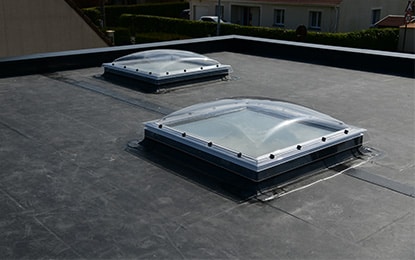
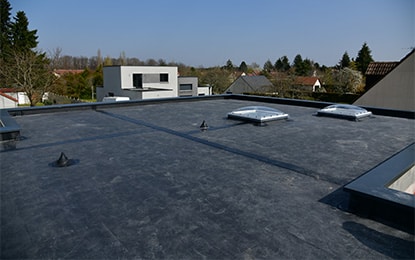
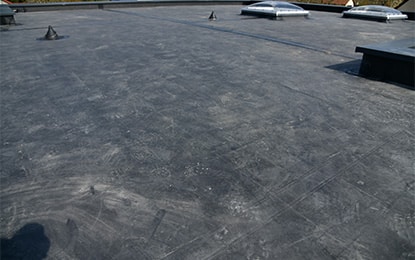
Rubber roofing is quickly becoming the go-to choice for eco-friendly, durable, and waterproof roofing material. From its long-lasting durability to its watertight sealing, rubber roofing is a great pick for any home. Let’s take a closer look at why rubber roofing is an eco-friendly and reliable choice for your commercial building. What Is Rubber Roofing? Rubber roofing, also known as EPDM (ethylene propylene diene monomer) roofing, is a type of roofing system made of rubber material. It is a popular choice for flat and low-slope roofs and is particularly popular for commercial buildings. Rubber roofing is made from a synthetic rubber membrane, which is then applied directly to the roof deck. It is a single-ply membrane, which means there is only one layer of protection between the roof and the elements. Rubber roofing is a great choice for flat and low-slope roofs, as it is lightweight and easy to install. It also offers excellent waterproofing and is highly resistant to weathering and damage from hail and wind. Rubber roofing is also resistant to fire, making it a great choice for commercial buildings. In terms of cost, rubber shingles are $4.25 to $8.25 per square foot or $425 to $825 per square. However, they can last twice as long, making them worth the investment. What Are the Benefits of Rubber Roofing? 1. Rubber Roofing Is Made from Eco-Friendly Materials Recycled rubber is often the main component used to make rubber roofing, meaning that it’s a great way to reduce your carbon footprint. It’s also highly durable and has a long lifespan. Plus, it’s waterproof and can be used in all kinds of weather. 2. Rubber Roofing Produces More Impenetrable Sealing Rubber roofing produces more impenetrable sealing than other roofing materials. This means that it can effectively keep out moisture, dirt, and other debris, as well as provide extra insulation and protection. It also creates a tight barrier against the elements, ensuring that you won’t have to worry about leaks or other damage. 3. Rubber Roofing Lasts for a Very Long Time Rubber roofing is known for its long lifespan. Rubber roofs are engineered to last between 30 and 50 years, depending on the quality of the material used. This makes them one of the longest-lasting roofing materials available. Furthermore, rubber roofs require little to no maintenance, making them an ideal solution for homeowners who want a durable roof without having to worry about frequent repairs. 4. Rubber Roofing Is Weather-Resistant Rubber is non-porous, meaning it won’t absorb water or moisture. This makes it an excellent choice for areas with heavy rain or snowfall. In addition, rubber roofs are resistant to ultraviolet radiation, making them ideal for hotter climates. The heat-resistant properties of rubber roofs also help reduce energy costs. 5. Rubber Roofing Installation Is Quick Rubber roofs can be installed in as little as a day, making them a great option for those looking for a fast roofing solution. Additionally, rubber roofs are lightweight, making them easier to install and transport. 6. Rubber Roofing Is Low Maintenance Rubber roofs require very little maintenance and can easily be cleaned with a garden hose. This means that you won’t need to hire a professional to perform regular maintenance, saving you money in the long run. 7. Rubber Roofing Is Energy Efficient Rubber roofs are much more energy efficient than traditional roofing materials. They are highly reflective, meaning that they can reflect heat away from your home, helping to keep it cool in the summer. This can also lower your energy bills by reducing the amount of energy needed to cool your home. Final Thoughts Rubber roofing is an excellent option for those looking for a durable and cost-effective roofing solution. It is an eco-friendly choice that offers superior protection, insulation, and energy savings. With proper installation and maintenance, a rubber roof can last for many years to come. For the best Fort Worth rubber roofing services, Honey Bees Roofing & Solar is an excellent choice. We are trusted and reputable contractors for roofing and solar installation and replacement, so you can rest assured that your property will look its best. Get started by booking a roof inspection today!
Commercial Roof Maintenance - The Importance and the Process
Commercial Roofing, Roofing

Commercial Roof Maintenance – The Importance and the Process

Maintaining a commercial roof is essential to ensure its longevity and performance. Commercial roofs protect a building and its occupants from the elements, and regular maintenance is the key to keeping them in optimal condition. Without proper maintenance, a commercial roof can suffer from serious problems such as leaks, water damage, and even collapse. What Are the Benefits of Commercial Roof Maintenance? Regular commercial roof maintenance can help you get the most out of your roof and provide many other benefits. Here are some of the key advantages of maintaining your commercial roof: 1. Reduce Repair Costs Regular maintenance can help keep small problems from becoming larger, and more expensive. You can save money on costly repairs that could otherwise be avoided by catching issues early on. 2. Increase Energy Efficiency Regular maintenance can help improve the energy efficiency of your building. A well-maintained roof can help keep your building cool in the summer and warm in the winter, reducing the energy needed for heating and cooling. 3. Improve Longevity A well-maintained roof can help extend the life of your roof. Regularly inspecting and repairing your roof can help prevent further damage and keep your roof in good condition for many years. 4. Improve Safety A quality roof helps protect your building from water damage and other issues that can lead to health and safety concerns. Regular maintenance can help identify potential hazards and keep your roof safe. 5. Increase Aesthetic Appeal Regular maintenance can help keep your roof looking its best, which can help improve the overall look of your building. Quality roofing materials and regular maintenance can help make your building look more attractive and inviting. What Is the Commercial Roof Maintenance Process? The commercial roof maintenance process involves various steps, from inspecting the roof for signs of wear and tear to replacing worn-out parts. Here’s a look at the commercial roof maintenance process. Inspection The first step in commercial roof maintenance is to inspect the roof. A qualified roofing contractor should do this at least once a year. During the inspection, the contractor will look for any evidence of damage, such as cracks, punctures, or worn areas. The contractor may also use specialized equipment to identify areas that need repair or replacement. Cleaning Once any damage is identified, it’s important to clean the roof. This should include thoroughly cleaning the surface and any gutters, drains, or other drainage systems. A pressure washer may remove the dirt and debris if any areas are particularly dirty. Repairs After the cleaning is complete, the next step is making necessary repairs. This could include patching cracks or replacing the roof’s worn sections. Depending on the type of roof, it may also be necessary to replace any insulation or any seals or membranes that have been damaged. Coatings After the repairs are complete, the roof should be coated with a protective coating. This coating will help protect the roof from the elements and will also help to improve its lifespan. The type of coating that is used will depend on the type of roof and its condition. Maintenance Finally, it’s important to keep up with regular maintenance. This could include cleaning the roof and gutters, inspecting for damage, and making necessary repairs. It’s also a good idea to have the roof inspected by a qualified contractor at least once a year to ensure that any problems are caught early and addressed quickly. Conclusion It’s important to keep your commercial roof in good condition to avoid costly repairs or replacement. Maintenance can be as simple as regularly cleaning it and removing debris. You should also inspect your roof regularly for any signs of damage and make repairs as soon as possible. By taking these steps, you can extend the life of your roof and avoid expensive repairs or replacements. If you are seeking roofing companies in Burleson, you can contact us at Honey Bees Roofing & Solar. We deal with both commercial and residential roofing, whether it be installation, repair, maintenance, or more. Hire us at Honey Bees Roofing & Solar for all your roofing needs.

Vital Things You Need To Know About Commercial Roofing
Commercial Roofing

Vital Things You Need To Know About Commercial Roofing

Commercial roofing is an important component of any commercial building, providing protection from the elements and helping to maintain the overall integrity of the building. It is important that commercial roofing is installed properly and maintained regularly to ensure the safety and well-being of occupants, as well as protect the building from potential damage caused by weather events or other environmental factors. In this article, we will provide an overview of the different types of commercial roofing systems, the pros and cons of each system, and how to maintain a commercial roof to ensure its longevity. We will also discuss the importance of working with a professional roofing contractor to ensure your commercial roofing system is properly installed and maintained. Finally, we will provide information on what to look for when choosing the right system for your building. Types of Commercial Roofing Systems Commercial roofing systems come in a variety of styles and materials, including metal, asphalt, rubber, and more. Each type of roofing system has its own advantages and disadvantages, so it is important to research and understand which system is best for your particular building. Metal roofing is an increasingly popular choice for commercial buildings due to its durability and long life. Asphalt roofing is a more affordable option, but it does require more frequent maintenance to ensure it lasts. Rubber roofing is a great choice for buildings in areas where extreme weather can be an issue, as it is highly resistant to weathering. How to Maintain a Commercial Roof It is important to regularly maintain your commercial roof for longevity. This includes regular inspections to check for any signs of damage or wear and tear and making repairs as needed. Professional roofers can perform regular maintenance on your commercial roof, including cleaning and sealing any gaps or cracks. This can help to prevent water damage and prolong the life of your roof. Additionally, it is important to keep debris and other materials off the roof so that they can properly drain and air can circulate, which can help to prevent mold and mildew growth. Why Working with a Roofing Professional Is Vital Working with a professional roofer is essential for any commercial roofing project. Professional roofers have the expertise and experience to properly install and maintain your roofing system, ensuring it performs optimally for many years. A professional roofer can help to identify any potential issues and make repairs before they become major problems. Additionally, a professional roofer can help to ensure your roof meets all local building codes and safety regulations. Choosing the Right System for Your Building When choosing a roofing system for your commercial building, it is important to consider the climate, building size, and budget. Different types of roofing systems are designed for different climates, so it is important to choose a system that is suited to the climate of your location. Additionally, the size and shape of your building can affect which type of roof is best suited for your needs. Finally, your budget will help determine which type of roofing system is most cost-effective for your building. Conclusion Commercial roofing is an important part of any property. It helps protect the building from the elements, as well as provides insulation and soundproofing. It can also add aesthetic appeal and value to a building. Understanding the different types of commercial roofing and the advantages and disadvantages of each is essential for making an informed decision when selecting a roof for your property. Professional roofers are available to provide advice and guidance and to install the roofing system of your choice. With the right commercial roofing system and proper maintenance, your building will be safe and secure and will last for many years to come. If you are looking for professional roofing contractors, contact Honey Bees Roofing & Solar. We offer residential, commercial, repair services, and more!

How Appealing and Long-Lasting Rubber Roofs Truly Are
Commercial Roofing, EPDM Roofing

How Appealing and Long-Lasting Rubber Roofs Truly Are

The roof is an important part of any commercial building. It protects the home from the elements and helps to keep the home warm during the winter and cool in the summer. The roof also helps to keep the home dry and free from leaks. Without a good roof, the home would be uninhabitable. That’s why it’s best to figure out the best variation of roofing for you. Rubber roofs, for example, can be quite an appealing option. What Exactly Is Rubber Roofing? Rubber roofing is a type of roofing that uses rubber as the main material. Rubber roofing is also sometimes called EPDM roofing, which stands for ethylene propylene diene terpolymer. This is the scientific name for the type of synthetic rubber that is used to make rubber roofing. Rubber roofing is a rather popular choice for many different types of buildings for both commercial and residential buildings. It’s especially popular for flat roofs since it’s very effective at waterproofing them. How Long Can Rubber Roofing Last? Rubber roofing can last for a very long time if it’s properly maintained. It’s not uncommon for rubber roofs to last for 20 years or more. The exact lifespan of your rubber roof will of course depend on a variety of factors. Some of this, like climate and where you live, can be out of your control. However, there are also things like how well you take care of your roof, are more within your control. To help your rubber roof last as long as possible, it’s important to have it inspected and cleaned on a regular basis. How Is Rubber Roofing Beneficial? As a homeowner, you always want to choose the roofing option that will be the most beneficial for your home. You want a roof that will be durable, cost-effective, and easy to install. Rubber roofing is one option that meets all of these criteria. Here’s why: Ease of Installation. Rubber roofing is a relatively easy roofing option to install. It is a lightweight material, which makes it easy to handle and maneuver during the installation process. Professionals can attach this to your property without much of a hitch. Durability. Rubber roofing is a very durable roofing option. It is resistant to both wind and water damage. In addition, it is also resistant to fire, mold, and mildew. This makes it an ideal roofing option for both residential and commercial applications. Cost-Effectiveness. Rubber roofing is a very cost-effective roofing option. It is a long-lasting material, which means that you can’t replace it as often as other roofing materials. Affordability. Rubber roofing is a very affordable roofing option. It is a very cost-effective roofing option in comparison to other variations of roofing, and it is also a very energy-efficient roofing choice. Conclusion In conclusion, it is evident that the roof plays a vital role in the home. Rubber roofing is a great roofing option for both residential and commercial applications. It is a very durable material that offers a variety of benefits to it. Want to look into Fort Worth rubber roofing? Honey Bees Roofing & Solar is a trusted roofing contractor and solar contractor in Burleson, TX. Get in touch with us today!

Why Consider an EPDM Roof?
Commercial Roofing, EPDM Roofing

Why Consider an EPDM Roof?

EPDM has been gaining popularity for years now, not only in the United States but in other countries as well. EPDM, or “rubber roof” as some call it, is a highly durable synthetic rubber roofing membrane that is typically used on flat roofs or low-slope roofs as well as commercial buildings. It is also a popular choice for patios and carports. An EPDM roof can provide many benefits for a commercial building or a residential property. Here are seven reasons to consider an EPDM roof: Quick and Easy Installation EPDM roofs can be installed quickly and easily, often in just a few hours. This makes them ideal for properties that need a new roof in a hurry. EPDM roofing systems come in one piece, which means roofing contractors won’t have to do any field seaming. This significantly reduces the time and effort required to finish the installation, which ultimately saves you money. A Flexible and Lightweight Roofing Option The flexibility of EPDM allows it to be installed even during colder months if that’s when you need your installation done. It also means that your new roofing system will be able to withstand even excessive building movements, and because EPDM is lightweight, it won’t put too much stress on your building. Resistance to Punctures and Leaks If you are considering having a garden on top of your flat roof, an EPDM roof is your best bet. Not only are they highly durable, but they’re also resistant to tears and punctures. This benefit is even increased if you choose to install a tri-thermal roofing system that combines EPDM and spray-applied polyurethane foam, as this eliminates any possibility of leaks. Of course, as leaks and moisture are prevented, you won’t have to worry about problems related to them, such as mold, pests, as well as damage to your equipment. Aesthetically Pleasing Roofing EPDM is not only durable but also aesthetically pleasing. It has a clean and smooth surface that, if you use it for your commercial building, you can be sure that it looks impressive from any angle. Your EPDM looks even more beautiful if you have a rooftop garden or are planning to have solar panels. Minimize Heating and Cooling Costs Because EPDM roofing systems resist UV radiation, you can take advantage of the enormous energy savings it offers. This is especially helpful in areas where climates get hot as it can help reduce the usage of air conditioning systems. You won’t have to run your HVAC systems frequently for everyone to feel comfortable. EPDM roofing systems really are a long-term investment for either homes or businesses. Environment-Friendly Option If you wish to make your contribution to a greener environment for future generations, you should consider an EPDM roofing system. For one, it will allow you to have a living roof or a rooftop garden to reduce the temperature as well as improve air quality in the building. You can also combine EPDM with another “green roof” option to reduce carbon emissions further. Long Lasting Option EPDM roofs are highly durable and can last for 20-30 years with proper maintenance, making them an excellent long-term investment for your home or business. Many EPDM roofs even last up to 50 years, and by the time the roof reaches the end of its life expectancy, it can still be recycled. Conclusion An EPDM roof can provide many benefits for a commercial building or a residential property. It is a durable, long-lasting roofing option that can withstand extreme weather conditions. It is also an aesthetically pleasing and environmentally friendly roofing solution that can help save you some money in the long run. Honey Bees Roofing & Solar offers EPDM roofing and other roofing solutions in Burleson, TX, and nearby areas. Contact us to know more!

Commercial Roofing Systems-What You Need to Know
Commercial Roofing

Commercial Roofing Systems-What You Need to Know

It’s no secret that the roof is among the most important parts of your commercial building. Not only does it protect your property from the elements, but it also plays a major role in your energy efficiency and overall aesthetic. That’s why it’s so crucial to choose the right commercial roofing system for your needs. There are a variety of commercial roofing systems on the market, each with its benefits and drawbacks. Here, we’ve put together a comprehensive guide to commercial roofing systems. Our Burleson roofers cover the most popular types of roofs, their key features, and what you need to know before you install one. Read on to learn the basics you need to know about commercial roofing systems: Different Commercial Roof Materials There are many different commercial roof materials on the market today. Depending on the building type and the climate, different materials may be more suitable. Here is a brief overview of a few of the most popular commercial roofing materials: EPDM (ethylene propylene diene monomer): EPDM is a synthetic rubber popular for its flexibility and resistance to weathering. It is often used on low-slope roofs and is available in black and white. PVC (polyvinyl chloride): PVC is a synthetic plastic popular for its durability and chemical resistance. It is often used on low-slope roofs and is available in both white and gray. TPO (thermoplastic polyolefin): TPO is a synthetic rubber/plastic blend popular for its resistance to UV rays and flexibility. It is often used on low-slope roofs and is available in white and gray. Modified bitumen: Modified bitumen is a type of asphalt that is popular for its durability and flexibility. It is often used on low-slope roofs and is available in black and white. Metal: Metal roofing is recognized for its durability and resistance to fire. It is available in various colors and can be either standing seam or corrugated. Asphalt shingles: They are perhaps the most popular roofing material for residential homes because of their durability. Wood shingles: Wood shingles are made from cedar, redwood, or pine and are known for their natural look. Clay tiles: Clay tiles are durable and fire-resistant. Clay tiles come in a variety of colors and styles. Slate: Slate is a natural stone popular for its durability and resistance to fire. You can also get slate in any color you want. Choosing a Commercial Roofing Material Commercial roofing materials come in various types, each with its benefits and drawbacks. As a result, choosing the right roofing material for a commercial building can be a daunting task. However, considering a few key factors can make the process much simpler. First, it is vital to consider the climate in which the commercial building will be located. Different roofing materials perform better in different environments, so choosing a material well-suited to the local conditions is important. For example, in areas with high humidity, a material like metal may be a better choice than asphalt shingles, which can be susceptible to mold and mildew. You might also want to consider green roofing options. A report from Grandview Research stated that the demand for this kind of roofing is expected to grow 17% every year from 2020 to 2027, which means many are considering green roofing for their projects. It is also important to consider the weight of the roofing material. Some materials, like clay tiles, are heavy and may require additional support. Others, like metal, are much lighter and easier to install. Finally, it is crucial to consider the cost of the roofing material. Some materials, like slate, are expensive, while others, like metal, are much more affordable. Considering all of these factors, choosing the right roofing material for a commercial building will be much easier. Conclusion It is a good idea to be familiar with the different types of commercial roofing systems available and the benefits and drawbacks of each. This will allow you to make the right decision when selecting a roofing system for your commercial building. If you need to know more about a particular type of roofing material, you can contact a Burleson roofer who can help you. If you’re interested in a commercial roof or need roofing help, then contact Honey Bees Roofing & Solar online or call us at 817-668-6131! We offer free roofing inspections and are one of the best Burleson roofing contractors so we can help you choose the best roofing option for your commercial building. In addition, we can work on any type of roof and help you determine what may need to be repaired. If you need a free roof inspection, don’t hesitate to contact us!

Common TPO Roofing Problems
Commercial Roofing, TPO Roofing

Common TPO Roofing Problems

There are many types of commercial roofing systems available. When it comes to roofs without a slope, single-ply roofing is a great option. TPO is one of the most popular single-ply roofing options on the market. TPO roofing is durable and energy-efficient, but can also have its own issues. There are some common TPO roofing problems that you may want to be aware of. Luckily, Honey Bees Roofing & Solar is an expert and can help you when faced with these type of roofing dilemmas. What is TPO Roofing? TPO stands for Thermoplastic Polyolefin. It’s one of the most popular single-ply roofing options on the market. Single-ply roofing is a large sheet of synthetic material. The sheets are perfect for flat roofing, as the installation is relatively simple. Thermoplastic Polyolefin specifically is energy efficient due to its ability to reflect most UV rays. In addition, TPO is typically incredibly durable which makes it an excellent choice for any commercial building. What are some Common TPO Roofing Problems? Puncturing the Membrane Out of the problems you may face with TPO, this is probably the worst of them. TPO roofing is very flexible and durable, and it’s easy to walk on. However, single-ply roofing doesn’t have a hard outer shell to protect it from sharp objects. Things like dropped tools, screws, and even gravel can get pushed into the rubber membrane. This can lead to breaks or tears in the TPO sheet, which leaves the roofing vulnerable to further damage. Adhesives Taking Damage from the Sun Since the roof is always in the sunlight, it’s no surprise that UV rays are one of the biggest factors of wear and tear for TPO roofing. If the TPO is fastened to the roof using adhesives, then the sunlight may wear the adhesives down over time. The adhesives seal the seams of the TPO sheets to make them waterproof as well. If they deteriorate, it can lead to major issues with your roofing. Fortunately, the fix is simple. When installing the TPO sheets, they simply have to overlap to protect any adhesives. Installation Issues It’s important that TPO roofing is installed by a professional. It’s something that can be difficult to put on a building, and installation issues can be disastrous for the longevity of the roof. UV damaged adhesives and roof punctures can both be signs of a larger problem, an issue with the installation itself. Call a Professional While issues with TPO roofing can occur, it is still one of the best roofing options for any building that has a roof without a slope. If you’re interested in TPO roofing or need a repair on the existing TPO roof on your building, then contact Honey Bees Roofing & Solar ​online, or give us a call today at 817-668-6131​! We offer free roofing inspections, and we can help you choose the best roofing option for your home. In addition, we can work on any roof and help you determine what may need to be repaired. If you need a free roof inspection, don’t hesitate to contact us!

Can Solar Panels be Installed in a Commercial Building?
Commercial Roofing, Solar, Solar Installation

Can Solar Panels be Installed in a Commercial Building?

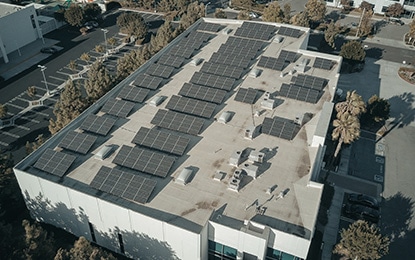
Many people are moving toward the prospects of renewable energy for their homes. Solar power lowers your electric bill, makes your home more sustainable, and also helps the environment. It’s a worthwhile investment that you will get a return from. However, some people don’t just own a home, but also a commercial business. Can solar panels be installed in a commercial building? Honey Bees Roofing & Solar has the answers your business needs to determine if renewable energy is right for you. Can Solar Panels be Installed in a Commercial Building? Utilizing one of the most plentiful energy sources available is an excellent decision for any business owner. Installing solar panels on commercial buildings is a different process than installing them on a home, but it’s doable. Many commercial businesses are already using the energy from the sun to help power their facilities. There are many benefits of installing solar panels on the roof of your business’s commercial building. Not only do you save your own energy, but solar panels help show customers and shareholders that you care about the environment. In addition, solar panels are typically a low-maintenance part of a building. That makes renewable energy easy and useful for any roof! Benefits of Solar Panels on a Commercial Building Save on Energy Costs The most obvious benefit of solar panels on a commercial building is the savings on your electric bills. Commercial buildings can use a large amount of energy to run properly. Between air conditioners, water heaters, and massive light arrays there are plenty of appliances that need power. Solar panels will actively make energy for these appliances during the day, during what is traditionally the busiest hours for a business. In addition to the savings on your electric bill, solar panels will also qualify you for multiple tax credits. Save cost on your building by using available solar energy! Promote Clean Energy Many customers, and shareholders, care about their effect on the environment. By installing solar panels you’re showing that you also care about the planet. That can bring in conscientious consumers that have yet to use your business. It opens the door to a whole subsection of people that might need one more little push to start becoming regular customers. All of that in addition to the savings that the panels make through creating electricity makes the investment more than worth it! Low Maintenance Solar panels are incredibly low maintenance and last for many years. Most renewable energy systems can withstand harsh weather like rain, snow, and even hail! The solar cells in the panels have protective glass to protect them. In addition, they typically come with warranties that will help replace any broken parts on the off chance that they fail. The ability to create your own energy with very little work after the initial installation is a worthwhile opportunity for any business! If you’re looking for solar panels for your commercial building, contact a professional solar installer to start the process. Call a Professional Installing solar panels on commercial buildings isn’t just possible, we recommend it. It saves you money and can attract more customers. If you’re interested in a no-pressure educational conversation about solar energy or installing solar panels on your building then Contact Honey Bees Roofing & Solar online or give us a call today at 817-668-6131! We offer free roofing inspections so we can help you choose the best roofing option for your home. In addition, we can work on any type of roof and help you determine what may need to be repaired. If you need a free roof inspection, don’t hesitate to contact us!

TPO vs EPDM Commercial Roofing in Dallas
Commercial Roofing, EPDM Roofing, TPO Roofing

TPO vs EPDM Commercial Roofing in DFW Area

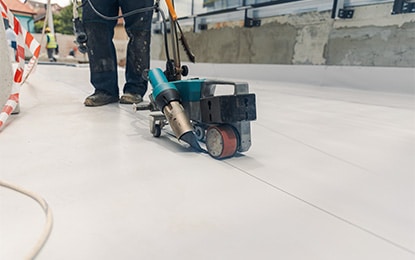
If you own a commercial facility, making sure you have the right roofing is important. Most commercial roofing uses flat roofs and therefore needs a single-ply membrane.  Single-ply membranes are sheets of rubber and other synthetics that are chemically adhered to ballasts or insulation. These membranes have been in use since the early 1960s. Nowadays, there are two main types of single-ply membranes, TPO and EPDM.  So you’ll need to weigh your options, TPO vs EPDM commercial roofing for your business in the Dallas, Fort Worth area. TPO Commercial Roofing in DFW TPO stands for Thermoplastic Polyolefin. They create TPO from synthetic components and stabilize and strengthen the membrane with a fabric reinforcing scrim. To install TPO to a roof a contactor will adhere it to a cover board. Usually, they adhere TPO to the cover board with heat or adhesive. TPO is the new kid on the block when it comes to commercial roofing. While EPDM has been wildly popular for over half of a century, TPO is rapidly gaining popularity. One of the reasons for its up-and-coming is its ability to reflect heat away from a building. The heat reflection makes air conditioners work more effectively and make the building more energy-efficient. TPO is also a bit more puncture-resistant than EPDM, which means fewer leaky roofs. However, when installing TPO you’ll need electricity to properly weld it together. This can make it difficult to install and repair. EPDM Commercial Roofing in DFW EPDM stands for Ethylene Propylene Diene Monomer. They create EPDM from synthetic rubber membrane. Typically installation consists of fastening large panels of EPDM to a roof. EPDM is highly resistant to hail, making it highly valuable in stormy areas. In fact, hail can almost harmlessly bounce off of EPDM roofing systems. TPO may be puncture-resistant, but it can be compromised by hail far easier than EPDM can. Repairs on EPDM roofing are also easier than repairs on TPO roofing. EPDM also doesn’t reflect sunlight. Reflecting sunlight off of a roof can affect solar panels. So, EPDM is better than TPO if you’re using solar panels. TPO vs EPDM, Which is Better? Both TPO and EPDM single-ply membranes have pros and cons. TPO has more puncture resistance compared to EPDM. On the flip side, EPDM can withstand hail much better than TPO can. While the reflective capabilities of TPO are valuable, they can screw with the effectiveness of solar panels. TPO has far more durable seams than EPDM, but TPO is harder to repair. TPO roofing also requires special equipment and knowledge to install, so you’ll need a trusted contractor. When it comes down to it, the better option is the one you prefer. Each has benefits, but location and availability can change which one is best for every building. If you need commercial roofing, choose carefully between TPO vs EPDM commercial roofing in the Dallas, Fort Worth area. Honey Bees Roofing & Solar is an expert in all single-ply roofing options and can offer assistance in choosing what’s right for you. If you need help with choosing the material for your commercial roofing or need a new roof, Contact Honey Bees Roofing & Solar online or give us a call today at 817-668-6131!

Commercial Roofing In North Texas
Commercial Roofing

Commercial Roofing In North Texas

If you’re getting a new roof for your building there is a multitude of options to choose from. The material of your roof should reflect your brand, meet the needs of your building, and ideally offer longevity for the future. Make sure you know about the materials available to you before you move forward. Honey Bees Roofing & Solar has the information for some of the most popular commercial roofing in North Texas to help you make your decision. Metal Roofing Metal roofing is a very popular option both commercially and residentially. It has some of the highest durability available, easily withstanding high winds, snow, hail, and anything else nature can throw at it. Metal roofing can also last anywhere from forty to sixty years! Also, a major plus to metal roofing is its fire resistance. Metal roofing is a Class-A material for fire resistance and non-combustibility. Another benefit is that metal roofing is completely recyclable. TPO Roofing TPO, or Thermoplastic Polyolefin, roofing is commonly used for low slope roofs all across the United States. It is also the fastest-growing roofing membrane for commercial use. TPO is a single-ply membrane made of polypropylene and ethylene-propylene rubber which has been polymerized together. It is highly reflective, which helps a building’s energy efficiency and helps keep things cool. TPO also comes in many colors but is most common in white, black, and tan. PVC Roofing PVC, or Thermoplastic Polyvinyl Chloride, roofing is another membrane option. Thermoplastic membranes, like PVC, are designed for low-sloped roofs. PVC is an incredibly durable material, as well as fire-resistant. Welding sheets of PVC together creates a water-tight seal. This seal can last longer than other roofing materials that require tapes or adhesives to be water-tight. PVC is also reflective and doesn’t hold heat as darker roofing options do. EPDM Roofing The third thermoplastic roofing membrane used majorly in commercial roofing in North Texas is EPDM. EPDM stands for Ethylene Propylene Diene Monomer. It’s known for its toughness, as well as its elasticity. EPDM is a material that has the ability to reflect most of the heat the sun radiates back into the atmosphere. The less heat absorbed allows for buildings to cool quicker at night, as well as makes EPDM resistant to pollution and ultraviolet radiation. Built-Up-Roofing Built-Up-Roofing, or BUR, is a roofing material made up of alternating layers of tar and gravel. It is one of the oldest roofing techniques still used.  The number of built-up layers determines the roof’s durability. It can be easy to repair, but when it gets older it may be hard to find the location of leaks. BUR is ultra-violet resistant and can be coated to reflect heat. With care, BUR can last about twenty years and is usually the least expensive option. While there are many commercial roofing options to choose from, you now have the knowledge to make a choice for your building. If you want to learn more about a specific material or schedule a free roof inspection to get your roofing project started, Contact Honey Bees Roofing & Solar online or give us a call today at 817-668-6131!

Honey Bees Roofing

525 E Bethesda Rd.
Burleson, TX 76028
Phone 817-668-6131

Support

Important Links

FAQ

Contacts

Contacts

(732) 262-3141
380 Birch Bark Dr
Brick, New Jersey(NJ), 08723


525 E Bethesda Rd.
Burleson, TX 76028
Phone 817-668-6131

Scroll to Top