Commercial Roofing

Honey Bees Roofing & Solar offers the best commercial roofing services in Fort Worth, TX and the surrounding DFW metroplex and neighboring towns.

Built-Up Roofing, Commercial Roofing, Uncategorized

Common Roof Repairs in Burleson

Roof Repairs In Burleson Ensure a no-hassle experience, and we also take the time to educate customers on the issues that need to be addressed. These are some of the most common roof repairs in Burleson that we come across. At some point in a homeowner’s life, it’s likely they’ll run into roofing problems. Catching these problems quickly will ensure you can protect the integrity of your roof and everything it keeps safe. Damage to your roof may be hard to spot by an untrained eye, which is why at Honey Bees Roofing we offer free inspections to keep your roof in top condition. Shingles Asphalt shingles make up most residential roofing in Burleson. Damage to these shingles can cause larger problems later in a roof’s life. Shingles can tear and break due to weather, as well as impacts such as hail damage. Extreme heat, or cold, can also cause shingles to split or curl. Over time shingles can also lose integrity, causing granules to shed off. This will expose the asphalt underneath, causing more damage to the roof’s overall integrity. Flashing Roof flashing is designed to keep water away from materials that can be damaged by moisture. Rerouting water away from windows, chimneys, skylights, walls, and other vertical surfaces is an important job. Damaged or worse, missing, roof flashing can lead to severe leaks as well as rot. Gutters Gutters help control the flow of water from your roof. However, if they fill up with debris, such as leaves, twigs, and even dead insects, they can overflow. This overflow can cause water damage to rot your roofing. The gutter should be cleaned twice a year, once in spring and again in the fall. At Honey Bees Roofing, we offer industry-leading gutter guards, which prevent the build-up of debris, while still allowing water to flow through. Damaged Roof Vents Weather can damage the vents on your roof as well. These vents come in two common materials, plastic and metal. Plastic vents can have their housing break due to variances in weather, such as extreme heat. While metal vents themselves don’t tend to break, their seals fail over time. Although caulk might seem like a quick solution for both of these problems, unfortunately, it won’t prevent the problems from worsening. If either issue occurs, Honey Bees Roofing recommends you replace the vents as well as ensure they have proper flashing installed. Roof Leaks The factors mentioned above can all lead to a leaky or failing roof. Since roof leaks are caused by many factors, it can be difficult to spot the actual cause of a leak without a thorough inspection. However, near the chimney, under damaged shingles, in low spots or valleys, around skylights, near vents or pipes, at flashing points, and around gutters are all points for common roof repairs in Burleson. Exposed Nail Heads Most roof leaks can be prevented through regular maintenance by covering exposed nail heads. These exposed nail heads, or penetrations, through the roof decking create weak points in your roof allowing water inside the home. When not taken care of quickly, water leads to mold damage inside the home. Honey Bees are proud to be serve your needs in Fort Worth, Burleson, and the surrounding Tarrant County Metroplex. Our experts at Honey Bees Roofing recommend a roof inspection every 1-2 years to ensure all maintenance is being performed properly. This also helps us catch problems while they are still small and can be repaired before they grow into larger issues that lead to roof replacements. If you feel your roof has any of the above-mentioned issues, feel free to Contact Honey Bees Roofing online or give us a call today at 817-668-6131 to schedule a free roof inspection!    

Flat Roof vs. Pitched Roof: Choosing the Best Roof Type for Your Property
Commercial Roofing, Flat Roofing, Roofing

Flat Roof vs. Pitched Roof: Choosing the Best Roof Type for Your Property

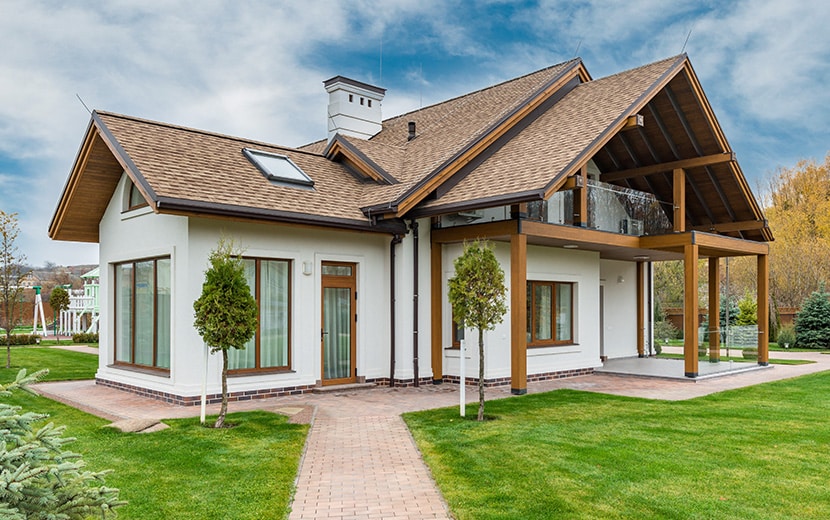
Flat Roof vs. Pitched Roof: Choosing the Best Roof Type for Your Property Selecting the right roof type for your property is a crucial decision that can influence your home’s overall design, durability, and value. With numerous roofing styles and materials available, it can be challenging to determine which type best meets your needs and preferences. Among the various roof types, flat roofs and pitched roofs are two of the most commonly debated options, each offering its unique set of benefits and drawbacks. In this blog post, we will examine the differences between flat roofs and pitched roofs, discuss their advantages and disadvantages, and provide guidance from our experts at Honey Bees Roofing & Solar to help you make an informed decision. Flat roofs and pitched roofs differ significantly in terms of design, materials, cost, and maintenance requirements. While flat roofs require less material and are often quicker to install, pitched roofs provide additional loft space and generally have more extended durability. However, it is essential to consider factors such as your property’s architectural style, local building regulations, climate, and budget when choosing between a flat roof and a pitched roof. At Honey Bees Roofing & Solar, we are committed to guiding property owners through every step of the roofing process, from initial consultations to professional installation and maintenance. Our experienced roofing team is well-equipped to help you navigate the decision-making process and identify the best roofing solution tailored to your needs, ensuring a perfect fit for your property. In the following sections, we will delve deeper into the characteristics, pros, and cons of flat roofs and pitched roofs, aiming to highlight each roof type’s potential benefits and challenges. We will also discuss how Honey Bees Roofing & Solar can provide expert assistance in selecting the ideal roof design for your property and ensuring high-quality, durable, and aesthetically pleasing results. Characteristics and Advantages of Flat Roofs Flat roofs, as the name suggests, have little to no slope and are commonly found in commercial buildings and modern residential architecture. They typically consist of a waterproof membrane over a structural deck made from concrete, steel, or wood. Here are some of the key advantages of flat roofs: Space utilization: Flat roofs offer an additional usable space that can be converted into a rooftop garden or patio. Easy access: Their level surface makes flat roofs easier to access, maintain, and repair compared to sloped roofs. Cost-effectiveness: Flat roofs usually require fewer materials and less time for installation, resulting in reduced initial costs. Modern appeal: Flat roofs often complement contemporary home designs, providing a sleek and minimalist aesthetic. Despite these advantages, flat roofs are more prone to water ponding, which can lead to leaks and structural damage if not adequately managed. Therefore, it is essential to consider proper drainage systems and regular maintenance to ensure the longevity of a flat roof. Characteristics and Benefits of Pitched Roofs Pitched roofs, also known as sloped roofs, are roofs with a noticeable incline. They are commonly used in residential construction and come in a variety of styles, such as gable, hip, and mansard roofs. Pitched roofs typically use materials like asphalt shingles, metal, wood shakes, or tiles. The following are some key benefits of pitched roofs: Enhanced water drainage: The sloping design of pitched roofs allows for efficient water runoff, reducing the risk of leaks and water damage. Increased loft space: Pitched roofs provide more attic space, which can be used for storage or converted into additional living space. Weather resistance: Pitched roofs can better withstand heavy rain, snow, and wind, making them more durable in extreme weather conditions. Architectural versatility: The variety of styles and materials available for pitched roofs enables homeowners to create a unique look that complements their home’s design. While pitched roofs come with several advantages, they usually require more materials and labor for installation, which can lead to higher initial costs. Additionally, maintenance can be more challenging due to the sloping surfaces. Factors to Consider When Choosing between Flat and Pitched Roofs When deciding between a flat roof and a pitched roof, consider the following factors to determine the best option for your property: Architectural style: Your home’s design plays a significant role in choosing the right roof type. If you have a modern property, a flat roof might be more visually appealing, while a pitched roof might better suit a traditional home. Climate: The local climate can impact your roof’s performance and durability. If you live in an area with heavy rainfall or snow, a pitched roof’s ability to drain water efficiently may be more suitable. On the other hand, flat roofs are more common in dry, arid regions. Budget: Analyze the initial and long-term costs associated with both flat and pitched roofs. While flat roofs may be less expensive upfront, they may require more frequent maintenance and repair, impacting your overall budget. Space requirements: Consider the additional space provided by each roof type. If you are looking for extra outdoor living or storage space, a flat roof may be the better option. Alternatively, pitched roofs offer extra attic space, which can be utilized for storage or an additional living area. How Honey Bees Roofing & Solar Can Help You Choose the Best Roof Type At Honey Bees Roofing & Solar, our mission is to help homeowners make informed decisions about their roofing needs. Our experienced team is available to discuss the pros and cons of both flat roofs and pitched roofs, taking into account the unique requirements of your property, preferences, and budget. We can also recommend the best materials for each roof type, provide accurate estimates, and ensure high-quality installations. Whether you decide on a flat roof or pitched roof, we are here to guide you through every step of the process, offering expert advice and exceptional service, making your roofing experience stress-free and successful. Conclusion Choosing between a flat roof and a pitched roof is a significant decision that depends on various factors, such as your home’s

8 Questions to Ask Your Commercial Roofing Contractor in Texas
Commercial Roofing, Roofing, Roofing Contractor

8 Questions to Ask Your Commercial Roofing Contractor in Texas

When it comes to commercial roofing, hiring the right contractor can make all the difference. A good contractor can ensure that your roof is installed or repaired properly and will last for many years. But with so many options out there, how will you know who to trust? To make an informed decision, it’s crucial to ask the right questions. In this article, we will provide you with eight essential questions to ask before hiring a commercial roofing contractor. 1. Are You Licensed and Insured? Contractors in Texas don’t need to be registered with the state or have licenses and insurance. However, hiring a commercial roofing contractor who is licensed and insured is a good idea. This will help safeguard the both of you from any mishaps or harm that might happen during the project. Make sure to ask about their license number and evidence of insurance. 2. What Is Your Experience with Commercial Roofing? It is important to know the contractor’s experience with commercial roofing. It is different from residential roofing, so it is crucial for the contractor to possess expertise and familiarity with commercial roofing systems. Ask about their past projects, the kinds of roofs they have handled, and their duration in the industry. 3. Can You Provide References? A reputable commercial roofing contractor will have no problem providing references from previous clients. Request a reference list and get in touch with them to inquire about their encounter with the contractor. If possible, ask to see some of their previous work to get an idea of the quality of work they provide. 4. What Is the Timeline for the Project? It is essential to know the timeline for the project before hiring a roofing contractor. Ask the contractor about the estimated start and completion dates, as well as any potential delays that may arise during the project. A good contractor should be able to provide you with a detailed timeline for the project. 5. What Is the Scope of the Project? Make sure you understand the scope of the project before hiring a contractor. Ask the contractor about the materials they will use, the process of installation or repair, and any potential issues that may arise during the project. This will help you understand the project better and ensure that there are no surprises down the road. 6. What Is the Cost of the Project?  Before hiring, make sure you understand the project’s expenses. Request a comprehensive quote from the contractor, which should cover material costs, workforce charges, and any additional costs that might emerge throughout the project. A good contractor should be able to provide you with a detailed estimate that is within your budget. 7. Do You Offer Any Warranties or Guarantees?  It is important to know whether the contractor provides any warranties or guarantees regarding their work quality. Inquire about their warranty or guarantee terms, their coverage, and duration. A reputable contractor should take responsibility for their work by offering a warranty or guarantee on their services. 8. How Will You Handle Any Potential Issues or Problems That Arise? Even with the best contractors, issues or problems may arise during the project. Ask the contractor how they will handle any potential issues or problems that arise, such as delays, unexpected expenses, or issues with the roof after installation or repair. A good contractor should have a plan in place to address any issues or problems that may arise. Conclusion Hiring the right commercial roofing contractor is essential for ensuring that your roof is installed or repaired properly and will last for many years. By asking the right questions, you can find a reputable contractor who has the experience, knowledge, and skills to handle your commercial roofing project. Make sure you ask about their license and insurance, experience, references, timeline, scope, cost, warranty or guarantee, and how they will handle any potential issues or problems that arise. Entrust your Fort Worth commercial roofing needs to Honey Bees Roofing & Solar. We are a trusted contractor committed to delivering high-quality services that exceed your expectations. Don’t wait any longer to get started on your project. Contact us now to schedule your consultation and experience exceptional results.

The Truth About Commercial Roofing- Debunking 4 Common Myths
Commercial Roofing

The Truth About Commercial Roofing- Debunking 4 Common Myths

As a business owner or property manager, maintaining your commercial roof is crucial for the safety and longevity of your building. However, several myths surrounding commercial roofing may lead to costly mistakes and repairs. In this article, we will be debunking 4 common myths about commercial roofing. Myth #1: A New Roof Does Not Require Maintenance One of the most common myths about commercial roofing is that a new roof doesn’t require maintenance. While a new roof can withstand harsh weather conditions and provide protection for several years, it still requires regular maintenance to extend its lifespan. Regular maintenance includes inspections, gutter cleaning, and repairs. Inspections should be conducted at least twice a year, preferably in the spring and fall. A professional roofing contractor can identify potential issues, such as cracks, leaks, or damaged roofing, and make necessary repairs before they become a major problem. Ignoring regular maintenance can lead to extensive damage, such as leaks, which can cause mold growth, rotting, and structural damage. It is crucial to schedule regular maintenance to ensure the safety and longevity of your commercial roof. Myth #2: All Commercial Roofs Are the Same Another common myth about commercial roofing is that all roofs are the same. There are different types of commercial roofing systems, including built-up roofing, single-ply roofing, metal roofing, and modified bitumen roofing, each with advantages and disadvantages. Built-up roofing is one of the most traditional roofing systems, consisting of multiple layers of asphalt and gravel. Single-ply roofing is a popular choice for its energy efficiency and easy installation. Metal roofing is durable and requires little maintenance, making it an excellent investment for commercial buildings. Modified bitumen roofing combines built-up and single-ply roofing with added durability and flexibility. Understanding the differences between commercial roofing systems and choosing the one that suits your building’s needs and budget is crucial. Consulting with a professional roofing contractor can help you make an informed decision. Myth #3: All Commercial Roofs Lower Energy Bills Another common myth is that all commercial roofs help lower energy bills. While energy-efficient roofing systems can save money on heating and cooling costs, not all roofing systems provide the same level of energy efficiency. For example, metal roofing reflects sunlight and heat, making it an excellent choice for hot climates. Single-ply roofing systems, such as TPO and PVC, have a reflective surface that can reduce heat absorption and lower cooling costs. When choosing an energy-efficient roofing system, it is essential to consider your building’s location, climate, and energy needs. A professional roofing contractor can help you choose the right roofing system for your building and provide valuable advice on energy-efficient solutions. Myth #4: Repairing Roof Damage Always Saves You Money The final myth we will debunk is that repairing roof damage helps save money. While repairing minor roof damage can prevent extensive damage and costly repairs, it is not always a cost-effective solution. If your commercial roof is old or severely damaged, repairing it may not be the best investment. In such cases, replacing the entire roofing system is more cost-effective. Also, delaying repairs can lead to extensive damage, which can be more costly. It is crucial to consult with a professional roofing contractor to determine whether repairs or replacement is the best solution for your commercial roof. Choosing the Right Commercial Roofing System  Maintaining your commercial roof is crucial for the safety and longevity of your building. Debunking common commercial roofing myths can help you make informed decisions and save money in the long run. Choosing the right commercial roofing system depends on several factors, including your building’s location, climate, and energy needs. Consulting with a professional roofing contractor can provide valuable advice and help you choose the right roofing system for your building. Honey Bees Roofing and Solar is a trusted roofing contractor and solar contractor for residential and commercial spaces. Our expert team prides itself on delivering the best roofing systems in Burleson and the surrounding areas. If you need commercial roofing services in Burleson, get in touch with us today for a free roofing consultation!

Secure Your Property - Proven Tips to Waterproof Your Roof
Commercial Roofing, Roof Inspection, Roofing, Roofing Maintenance

Secure Your Property – Proven Tips to Waterproof Your Roof

Water damage is a costly affair that can wreak havoc on your commercial property. It can lead to expensive roof repairs and even compromise the safety and integrity of your building. Waterproofing your commercial roof is a crucial step in preventing such damage and ensuring that your property remains in optimal condition. This blog will explore roof waterproofing, how often you should undertake this process, and some essential factors to consider when selecting the most suitable waterproofing solution for your commercial roof. The Importance of Waterproofing Your Commercial Roof Waterproofing is essential for any commercial roof, as it forms a barrier that prevents water and moisture from seeping into the building. This, in turn, helps to avoid the following issues: Structural damage: Water infiltration can weaken the building’s structure, causing wood rot, rust, and concrete deterioration. This may lead to costly roof repairs and potential safety hazards. Mold and mildew growth: Too much dampness creates an ideal setting for mold and mildew to flourish, potentially resulting in unhealthy air inside the building and posing health hazards for those living or working there. Insulation damage: Wet insulation loses its effectiveness, leading to higher energy costs and an uncomfortable indoor environment. Roofing system failure: Water damage can cause the roofing system to fail prematurely, leading to costly replacements and potential business interruptions. How Often Should You Waterproof Your Commercial Roof? There is no one-size-fits-all answer to this question, as the frequency with which you should waterproof your commercial roof depends on several factors, including the type of roofing system, the quality of the materials used, and the local climate. However, as a general rule of thumb,  professional roofing contractors recommend waterproofing your commercial roof every 5-10 years. Factors to Consider When Waterproofing Your Commercial Roof Roofing Material: The type of roofing material you have will determine the most suitable waterproofing solution. For example, metal roofs may require a different waterproofing product than asphalt or single-ply roofs. Discuss with a professional roofing contractor to determine the best approach for your specific roofing system. Climate: Roof waterproofing solutions should be selected based on the local environment. For instance, if your commercial property is located in an area with heavy rainfall, you may need a more robust waterproofing system that can withstand the constant onslaught of water. Similarly, select a waterproofing solution with excellent thermal resistance if your building is situated in a region with extreme temperature fluctuations. Drainage: Proper drainage is crucial in preventing water damage. Ensure that your commercial roof has an adequate drainage system in place, and regularly inspect and maintain the drains to prevent blockages and ensure the efficient flow of water. Warranty: When selecting a waterproofing solution, consider the warranty offered by the manufacturer. A longer warranty period typically indicates a higher-quality product that will provide long-lasting protection for your commercial roof. Budget: Waterproofing your commercial roof is an investment; however, it shouldn’t break the bank. Research various waterproofing products and solutions, and compare their costs and benefits to determine the most cost-effective option that meets your requirements. Twice Yearly Inspections Keep the Costly Repairs At Bay The most effective way to prevent your commercial building from experiencing a leaky roof is to ensure it undergoes an inspection at least twice annually. Regular inspections can identify potential problems before they become major issues, saving you money in the long run. During these inspections, a professional roofing contractor will assess the overall condition of your roof, looking for signs of damage, wear, and potential leaks. They will also check for proper drainage and ventilation, as well as any other factors that may contribute to roof leaks. This is incredibly important because issues with your roof might not be visible to anyone other than an expert roofer. Furthermore, if a roof technician doesn’t physically examine your roof for faults, the problematic areas could deteriorate as weather conditions worsen over time. Conclusion Waterproofing your commercial roof is a vital maintenance task that should not be overlooked. Contact competent roofing companies to discuss your specific needs and ensure that your commercial roof remains in optimal condition for the following years. At Honey Bees Roofing & Solar, we pride ourselves on being among the top Fort Worth roofing contractors, ready to cater to your requirements. Our skilled experts are dedicated to offering top-notch work at reasonable prices. Our goal is to deliver the finest service at a justifiable cost. Contact us today to set up your free roof inspection.

Why You Need Preventative Roof Maintenance for Your Business
Commercial Roofing, Roof Inspection, Roofing, Roofing Maintenance

Why You Need Preventative Roof Maintenance for Your Business

The roof of a commercial building is an essential component of the structure, and it plays a vital role in protecting the building’s contents and occupants from the elements. However, the roof is also one of the most neglected parts of a building, and this can lead to costly repairs and replacement. Preventative roof maintenance is one of the keys to ensuring that the roof remains in good condition and performs its intended function. This article will provide an overview of preventative commercial roofing maintenance. What Is Preventative Roof Maintenance? Preventative roof maintenance refers to the regular inspection and commercial roofing repair to ensure it is in good condition and performing its intended function. The goal of this service is to identify and address minor issues before they become major problems that require costly repairs or replacement. Benefits of Preventative Roof Maintenance Cost Savings: Regular maintenance can help identify and address minor issues before they can significantly impact your daily life. This way, you can fix them immediately and avoid expensive repairs and replacements in the future. Extended Roof Lifespan: Proper maintenance can help extend the lifespan of a commercial roof by addressing issues that can cause premature deterioration. Improved Energy Efficiency: A well-maintained roof can help improve energy efficiency by reducing heat loss in the winter and heat gain in the summer. Improved Safety: Regular maintenance can help identify and address safety hazards such as loose or damaged roofing materials. Compliance with Building Codes: Proper maintenance can help ensure that a commercial roof meets current building codes and regulations. Preventative Roof Maintenance Checklist Inspect the roof for signs of damage, such as cracks, leaks, or missing shingles. These issues can lead to water damage, mold growth, and structural damage. Clean the roof of debris, such as leaves, branches, and dirt. Debris can clog gutters and downspouts, leading to water damage and leaks. Inspect gutters and downspouts for damage or clogs. Clean them as necessary to prevent water damage and leaks. Check the roof flashing for damage or deterioration. Flashing is the metal material that seals the roof around vents, chimneys, and other protrusions. Inspect the roof for signs of wear and tear, such as cracks, blisters, or punctures, to prevent water and structural damage. Check for signs of mold or algae growth. These issues can lead to health problems and structural damage. Look for signs of animal damage, such as chewed or scratched roofing materials. These issues can lead to water damage and structural damage. Inspect the roof for signs of hail or wind damage. Like animal damage, these problems can also result in water and structural damage if not fixed quickly. Check the roof for signs of rust or corrosion as these can lead to leaks and structural damage. Inspect the roof for signs of sagging or unevenness. These issues can indicate structural problems that require immediate attention. When to Perform Preventative Roof Maintenance Preventative roof maintenance should be performed on a regular basis, typically every six months. However, the frequency may vary depending on the age and condition of the roof, the climate, and the material for commercial roofing. For example, roofs in areas with heavy snowfall may require more frequent maintenance to prevent damage from snow and ice buildup. Conclusion Preventative roof maintenance is essential for ensuring a commercial roof remains functional and in good condition. Its benefits include cost savings, extended roof lifespan, improved energy efficiency, improved safety, and compliance with building codes. By following a preventative roof maintenance checklist and performing maintenance on a regular basis, building owners can help ensure that their commercial roofs remain in good condition and provide reliable protection for their occupants and contents. For quality, Fort Worth commercial roofing services, choose Honey Bees Roofing & Solar. Our team of experts has the experience and commitment to deliver exceptional workmanship. Contact us today to schedule a consultation and discover how we can assist you with your roofing needs.

What Are the 4 Main Stages of a Commercial Roof Repair
Commercial Roofing

What Are the 4 Main Stages of a Commercial Roof Repair

Do you have a roof that needs repair? If so, you’re not alone. Commercial roof repair is something that many businesses face at some point in their lifespans. Roof leaks can lead to water damage inside and even cause structural problems if left unaddressed for too long. If you are considering a commercial roof repair, there are four different stages that every business owner should be aware of. Let’s take a closer look at each one: Stage #1: Inspection and Evaluation During the inspection and evaluation stage of commercial roof repair, it is important to conduct both an interior and exterior inspection to identify any potential issues with the roofing system. Interior Inspection An interior inspection involves examining the building’s ceiling, walls, and attic space to identify any signs of water damage or leaks. It is important to note that these signs can be difficult to spot, especially if the building has been around for a long time. This may include: Water stains on the ceiling or walls. Peeling or bubbling paint or wallpaper. Musty odors or mold growth. Damp insulation or wood. Cracks or gaps in the walls or ceiling. Exterior Inspection An exterior inspection involves examining the roof surface, flashing, and drainage systems to identify potential issues with the roofing system. This may include: Cracks or gaps in the roofing material. Damage to the flashing around chimneys, skylights, and vents. Clogged or damaged gutters and downspouts. Damage to the roof’s drainage systems, such as scuppers or drains. Stage #2: Estimation and Preparation After the initial inspection, the next stage is estimation and preparation. This stage is crucial in determining the scope of the repair work and the project’s cost. The roofing contractor will provide a detailed estimate of the repairs, including the materials and labor costs. The estimate will also include a timeline for completion. Once the estimate is approved, the contractor will begin preparing for the repair work. This stage involves ensuring the necessary materials and tools are available and ready for use. The contractor will also ensure the repair work is done safely and efficiently. Stage #3: Repair and Restoration The third stage is the actual repair and restoration work. This stage involves implementing the repair solutions identified during the assessment stage. Depending on the extent of the damage, the repair solutions may include patching, sealing, or replacing the damaged areas of the roof. Once the repair work is complete, the contractor will begin the restoration process. This stage involves restoring the roof to its original condition as much as possible. This may involve repainting or recoating the roof, replacing any damaged insulation, and repairing any other damage caused by the initial problem. Stage#4: Quality Control The final stage of commercial roof repair is quality control. This stage involves inspecting the repaired areas to confirm no leaks or other defects. The roofing contractor may also conduct a water test to ensure the repairs prevent water penetration effectively. The quality control stage is critical in making sure the repair work is effective and of high quality. It helps to identify any issues that may require further attention. It confirms the roof is in good condition and can protect the building and its assets. Conclusion You will want to work with a company with industry experience in commercial roof repair. A quality roofing contractor can help you avoid unnecessary expenses and protect your business from water damage, structural problems, and leaks. There is no reason to wait until you have a major problem. Honey Bees Roofing & Solar is a Fort Worth roofing contractor that can help you with your needs. Our experienced professionals are committed to delivering quality work at an affordable price. We aim to provide you with the best possible service at a fair price.

Stress-free Tips for Prolonging a Commercial Roof's Lifespan
Commercial Roofing

Stress-free Tips for Prolonging a Commercial Roof’s Lifespan

A well-maintained commercial roof not only provides protection and insulation for the building but also offers a significant return on investment. With proper care, commercial roofs can last for several decades, but neglect can lead to expensive repairs or even premature roof replacement. In this blog section, we will discuss some valuable and stress-free tips for prolonging a commercial roof’s lifespan and saving your business time and money in the long run. 1. Schedule Regular Inspections Conducting regular roof inspections is the cornerstone of commercial roof maintenance. At a minimum, your roof should be inspected twice a year – once in the spring and once in the fall. Additionally, checking the roof after any severe weather event or if you suspect any damage is crucial. During the inspection, look for signs of wear, such as cracks, punctures, loose flashings, or pooling water. Early detection of issues can prevent them from escalating into more severe and costly problems. 2. Keep the Roof Clean Debris, such as leaves, branches, and dirt, can accumulate on your roof over time. This buildup can trap moisture, leading to the growth of mold, mildew, and algae, which can weaken the roof structure. Moreover, debris can block drainage systems, causing water to pool on the roof and potentially lead to leaks. To prevent these issues, clean your roof regularly, paying particular attention to gutters and downspouts. 3. Address Leaks and Damage Promptly If you notice any signs of damage or leakage during your roof inspection, it’s essential to address them as soon as possible. Small leaks can quickly become more prominent if left unattended, resulting in more extensive damage and costly repairs. Hiring roofing contractors to repair any damage can help ensure the issue is resolved correctly and extend the life of your commercial roof. 4. Perform Preventive Maintenance Preventive maintenance is a proactive approach to keeping your roof in optimal condition. This can include tasks such as sealing seams, replacing damaged flashings, and applying a protective roof coating. A roof coating can help reflect sunlight, reduce heat absorption, and provide an additional layer of protection against the elements. By investing in preventive maintenance, you can significantly extend the lifespan of your commercial roof and reduce the likelihood of unexpected repairs. 5. Monitor Rooftop Equipment and Penetrations Rooftop equipment, such as heating, ventilation, and air conditioning (HVAC) units and vents, can cause damage to your roof over time. Regularly inspect and maintain these units to ensure they are functioning correctly and not causing unnecessary strain on your roof. In addition, be mindful of penetrations, such as pipes and vents, which can be entry points for water. Ensure these areas are properly sealed and maintained to prevent leaks and water damage. 6. Ensure Proper Drainage Proper drainage is critical for preventing water damage and prolonging the life of your commercial roof. Regularly inspect and clean gutters, downspouts, and drains to ensure they are free of debris and functioning correctly. Additionally, check for signs of ponding water on your roof, which can indicate a drainage issue. Addressing drainage problems promptly can prevent costly damage and help extend the life of your roof. 7. Hire a Reputable Roofing Contractor A critical factor in extending the life of your commercial roof is working with reputable and experienced roofing companies. Roofing contractors can help you develop a customized maintenance plan, perform necessary repairs, and ensure your roof is in the best possible condition. When choosing a roofing contractor, always check for proper licensing, insurance, and references to ensure that you’re working with a trustworthy professional. Conclusion Extending the life of your commercial roof is achievable with regular inspections, proper maintenance, and prompt repairs. Investing time and resources into taking care of your roof can save your business money in the long run and ensure your building remains protected from the elements. Collaborate with a reputable roofing contractor to develop a maintenance plan tailored to your specific needs and enjoy the benefits of a long-lasting commercial roof. Honey Bees Roofing & Solar is the trusted roofing and solar contractor in Burleson, TX. We offer residential and commercial roofing, storm damage repair, and more. Whether you need a new roof, roofing repairs, or a gutter system, you can rest assured that our products are top-caliber, and they’ll be installed by highly trained professionals who exceed the workmanship standards of typical roofing companies. Contact us for a free roof inspection today!

The Difference Between Commercial and Residential Roofs
Commercial Roofing, Residential Roofing

The Difference Between Commercial and Residential Roofs

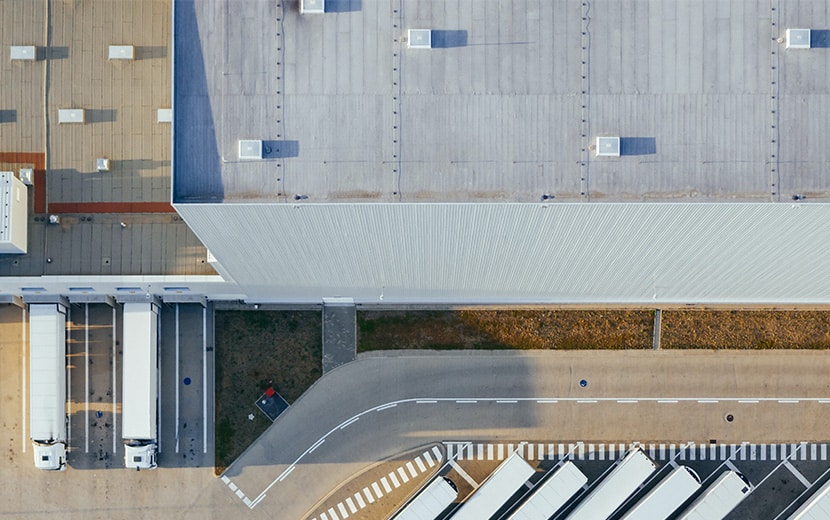
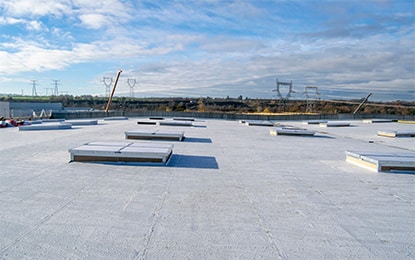
When it comes to roofing, there is a clear distinction between commercial and residential roofs. Each type of roof has its own unique requirements and characteristics that must be considered when selecting the right roofing solution. In this guide, we’ll cover the major differences between commercial and residential roofs. Size A commercial roof is often much larger than a residential roof. Commercial roofs typically range from 25,000 to 40,000 square feet, while residential roofs are usually less than 2,000 square feet. The size of the roof will dictate the number of materials needed, the amount of labor required, and the project’s overall cost. Design Commercial roofs are generally flat or low-slope, meaning the roofing surface has a low angle. In contrast, residential roofs are usually steep-slope, meaning the roofing surface has a steep angle. This is because flat roofs are cheaper to install and require less maintenance than steep-slope roofs, and they also have a more complex drainage system to handle the large amounts of water that can accumulate on a larger roof. Materials Commercial roofs are constructed with materials designed to be durable and long-lasting. These materials are chosen to withstand the elements and provide protection from the environment over a longer period. Common materials used on commercial roofs include metal, rubber, and modified bitumen. These materials are strong and reliable so that they can withstand the wear and tear of harsh weather and other damaging forces. Maintenance Due to their larger size and complexity, commercial roofs can require more maintenance than residential roofs. It’s important to have regular inspections and maintenance done to ensure that they are in top condition and can handle the different weather conditions and other elements. Doing this will help keep the roof in good shape and help avoid costly repairs or replacements in the future. Cost The expense of a commercial roof can be significantly more than a home roof. This is because of the magnitude of the roof, the materials used, and the labor necessary to install and care for it. Moreover, commercial roofs often need additional components, such as drainage systems and insulation, that residential roofs don’t. Consult a Professional Roofing Company If you are considering having your roof replaced or repaired, it is highly recommended that you consult a professional roofer. With their extensive knowledge and expertise, they can provide the best advice and services to ensure your roof is in top shape. They can assess your roofing system and suggest the most cost-effective and efficient solutions for your roofing needs. Doing so will guarantee that your roof is kept in the best condition and provides the highest level of protection for your home. Ask around to see if people have had positive experiences with their services and if they were satisfied with the results. Once you find a company that meets your needs and is friendly and helpful, you should ask them about their services, the warranties they provide, and any other information that will help you make an informed decision. The Bottom Line Commercial and residential roofs have important distinctions, but also have some overlaps. The most important factor to keep in mind when looking to replace your roof is the slope of the roof. Flat residential buildings and commercial buildings with steep slopes are around, although they aren’t common. Make sure you’re looking at roofing options that align with how your building is constructed. If you need help finding the best roofing option for your building, contact a professional. Honey Bees Roofing & Solar is committed to providing the best roofing and solar services. Contact us today for an estimate for your Fort Worth commercial roofing, repair services, and solar installations.

EPDM Roofing: What Is It and Why Your Business Needs It
Commercial Roofing, EPDM Roofing

EPDM Roofing: What Is It and Why Your Business Needs It

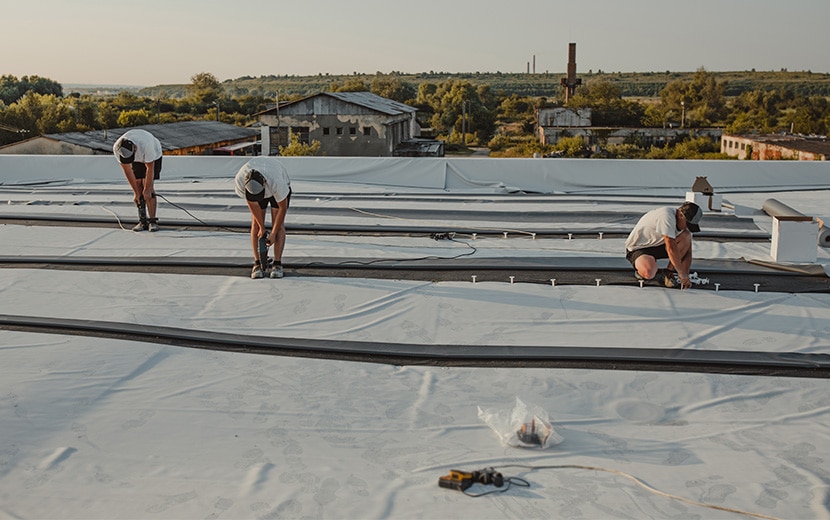
A low-slope or flat roof for your business can offer safety and cost-efficient benefits. It gives your building better protection against the elements, especially in harsh weather conditions. They also require low maintenance and provide your commercial property with better energy efficiency with their cooling factors. One of the best ways to enjoy these valuable benefits is to invest in ethylene propylene diene monomer (EPDM) roofing. It’s a highly durable but affordable roofing material that can last up to three decades and is very resistant to environmental factors. However, sometimes you may be uncertain if this material is best for your commercial or residential property. This article will discuss EPDM roofing and why your business needs it today. What Is EPDM?  It’s a solid and versatile synthetic rubber that contractors use in roofing low-slope and flat roofs because of its unique consistency, making it more resistant to damage than other roofing materials. Its flexibility and durability make it an excellent choice for any roofing project. Manufacturers create this polymer from three different organic compounds and hydrocarbons: ethylene,propylene, and a diene component. They can also combine these molecules to form a terpolymer. Why Did They Invent EPDM Roofing? Experts designed this synthetic rubber to be more resistant to ultraviolet (UV) light and other environmental factors than traditional rubber. Contractors can use this roofing material outdoors without suffering significant damage. This property makes it ideal for applications where the rubber must remain intact despite prolonged exposure to the elements. How to Install This Roofing  Manufacturers create EPDM roofing in large sheets that contractors can roll on top of your roof for quick and easy installation. This section will enumerate three ways your contractor can install your new roof. Adhered  Your contractors will affix the rubber roofing to the roof base with a strong adhesive. While this procedure needs more time and money to complete, it produces a more durable EPDM roofing system for your commercial property. Ballasted Professionals will lay a layer of insulation over the roof and use a strong adhesive to glue it together. They will later weigh down with concrete pavers to ensure their stability. Mechanical Attachment Your contractors can also mechanically attach your EPDM roofing to the surface with screws, fasteners, or latches. While mechanically installing the roofing may be quick and reliable, you must remember that it may not be as secure as if they adhered the material to the roof. How Much Is the Overall Installation Cost? The installation cost for your EPDM roofing will depend on various factors, like how your contractors will install them, how much area needs coverage, and the work needed to remove an existing roof structure. Unlike other roofing materials, letting your contractors install EPDM roofing can usually range from six to eight dollars per square foot. What Are the Benefits of EPDM Roofing? After discussing a brief background about this roofing material and how to install it, here’s why your commercial property needs one today. Offers Tremendous Property Value  As a property owner, you want to look for ways to make your business more attractive to potential stakeholders. While EPDM roofing may be easy to install and requires minimal maintenance, it offers excellent value for commercial property owners. This material is also highly resistant to UV radiation and other environmental conditions. Easy to Install Other Roofing Features EPDM roofing allows you to install additional features like a rooftop garden or a solar array. That way, you can further boost property value. Reduce Energy Bills  You can significantly reduce your frustratingly high energy bills and enjoy better efficiency by having an EPDM roof. You can also paint it white to achieve that cooling effect. Important to Remember Remember that EPDM roofing works best for low-sloped or flat roofs. You must also ensure your contractors install it on flat, unseen roof sections in your commercial property. Final Thoughts EPDM roofing works best for commercial properties because of its durability, energy efficiency, and minimal maintenance requirements. You can enjoy these benefits by working with a professional roofing contractor. If you want someone to install EPDM roofing in Burleson, TX, work with Honey Bees Roofing & Solar! We are a hardworking roofing company dedicated to delivering high-quality services. Give us a buzz now and prepare to bee amazed with your new roof!

Honey Bees Roofing

525 E Bethesda Rd.
Burleson, TX 76028
Phone 817-668-6131

Support

Important Links

FAQ

Contacts

Contacts

(732) 262-3141
380 Birch Bark Dr
Brick, New Jersey(NJ), 08723


525 E Bethesda Rd.
Burleson, TX 76028
Phone 817-668-6131

Scroll to Top