Roof Repair

Honey Bees Roofing & Solar offers the best roof repair services in Fort Worth, TX and the surrounding DFW metroplex and neighboring towns.

Tips to Prevent Storm Damage and Improve Roof Resilience
Roof Repair, Roofing, Storm Damage

Tips to Prevent Storm Damage and Improve Roof Resilience

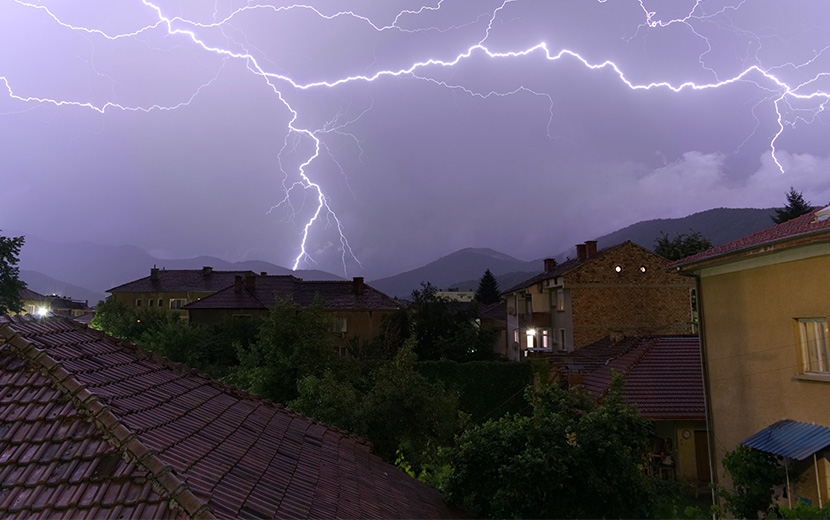
Tips to Prevent Storm Damage and Improve Roof Resilience Severe weather, including thunderstorms, hail, and heavy winds, can pose a significant risk to the integrity of your property’s roof. Storm damage can lead to leaks, loss of energy efficiency, or even the need for a full roof replacement. As a responsible property owner, it’s crucial to take preventive measures to storm-proof your roof and minimize possible damage caused by extreme weather events. In this blog post, we will explore various strategies to enhance your roof’s resilience and prevent storm damage. Additionally, we will discuss how Honey Bees Roofing & Solar can assist you in achieving a durable, storm-resistant roofing solution. Storm-proofing your roof involves a combination of proactive measures, such as selecting appropriate roofing materials, ensuring proper installation, conducting regular inspections and maintenance, and investing in additional protection measures like impact-resistant shingles or improved ventilation systems. By adapting your roof to better withstand severe weather, you not only increase its longevity but also save time and resources by minimizing repair costs and reducing the risk of property damage. At Honey Bees Roofing & Solar, we are committed to delivering expert services and resources tailored to meet your property’s unique needs and challenges. Our experienced roofing professionals understand the importance of a durable and resilient roof, especially in the face of extreme weather conditions. We are proud to provide top-quality materials, professional installation, and comprehensive maintenance services to help our clients protect their properties from storm damage effectively and efficiently. In the following sections, we will delve into essential steps for storm-proofing your roof, offering practical tips and insights to help you stay prepared for severe weather events and ensure the lasting protection and value of your property. We will also highlight how partnering with a trusted roofing expert like Honey Bees Roofing & Solar can make the process of achieving a storm-resistant roof uncomplicated and rewarding. Choosing the Right Roofing Materials for Storm Resistance The first step in storm-proofing your roof is selecting materials that are specifically designed to resist extreme weather conditions. Different materials offer varying degrees of durability and resistance to factors such as hail, wind, and water damage. Here are a few roofing materials known for their resilience: Metal Roofing: Metal roofs are exceptionally strong and can withstand hail, high winds, and heavy rain. They offer excellent durability and are low maintenance, making them a sound investment for storm-prone areas. Impact-Resistant Shingles: These shingles are designed to withstand the impact of hail and other debris without cracking or breaking, thus reducing the risk of storm damage. Rubber and Synthetic Roofing: Both of these materials are highly resistant to impact damage, water penetration, and general wear and tear from extreme weather conditions. Consulting with an experienced roofing contractor like Honey Bees Roofing & Solar can help you select the best materials to meet your unique storm-proofing needs. Ensuring Proper Roof Installation and Ventilation The quality of your roof installation plays a significant role in its storm-resistance. A poorly installed roof is more susceptible to damage from high winds, leaks, or structural issues. When working with an experienced roofing professional like Honey Bees Roofing & Solar, you can be confident that your roof installation will meet or exceed industry standards, providing optimal protection against severe weather. A well-ventilated roof is also crucial for storm-proofing. Proper ventilation helps regulate temperatures in your attic, preventing the formation of ice dams in the winter and reducing heat build-up in the summer. Furthermore, adequate ventilation can help prevent moisture buildup which can lead to mold, mildew, or wood rot. Conducting Regular Roof Inspections and Maintenance As part of a comprehensive storm-proofing strategy, regular roof inspections and maintenance are essential. Routine inspections will help you identify potential issues before they become severe, allowing for timely repairs that can prevent costly damage from storms. Aim to inspect your roof at least twice a year, ideally in the spring and fall, as well as after any major weather events. During these inspections, look for the following: Damaged or missing shingles, which should be replaced immediately to prevent leaks and water damage. Loose or damaged flashing around vents, chimneys, or skylights, which can allow water to seep into your property during a storm. Debris buildup in gutters and downspouts, which can impede proper water drainage and increase the risk of leaks. Signs of water damage or rot in your attic, which could indicate a leak or inadequate ventilation. A professional roofing contractor like Honey Bees Roofing & Solar can conduct thorough roof inspections and handle any maintenance tasks that arise, helping you keep your roof in peak condition for optimal storm-resistance. Investing in Additional Storm-Proofing Measures Besides selecting durable materials, ensuring proper installation, and conducting regular inspections, there are additional measures you can take to further storm-proof your roof. Some of these include the following: Installing a secondary water barrier: This extra layer of protection under your roofing materials can help protect against water infiltration during a storm. Reinforcing your roof deck attachment: Adding hurricane clips or straps can strengthen the connection between your roof and the walls of your property, reducing the risk of wind damage. Upgrading your roof’s underlayment: High-performance synthetic underlayments can improve your roof’s water resistance and overall durability. Trimming back overhanging branches: Keeping trees and shrubs well-maintained can minimize the risk of damage from falling branches or windswept debris. Conclusion Storm-proofing your roof is a critical aspect of protecting your property from the potential damage caused by severe weather. By selecting the right materials, ensuring proper installation and ventilation, and conducting regular inspections and maintenance, you can enhance your roof’s resilience against storms and extend its lifespan. Trust the experienced team at Honey Bees Roofing & Solar to help guide you through the process of storm-proofing your roof, providing expert advice, top-quality materials, and industry-standard installation and maintenance services. Our dedication to the lasting protection and value of your property is unmatched, ensuring your peace of mind in the face of

The Longevity of Your Roof: Factors Affecting Roof Lifespan and How to Extend It
Roof Repair, Roofing

The Longevity of Your Roof: Factors Affecting Roof Lifespan and How to Extend It

The Longevity of Your Roof: Factors Affecting Roof Lifespan and How to Extend It A roof is one of the most critical components of any property, and maintaining its longevity is crucial for both homeowners and business owners. A long-lasting roof can provide safety, comfort, and energy efficiency, not to mention the aesthetic and monetary values it adds to your property. While numerous factors can affect a roof’s lifespan, understanding how these factors influence your roof’s longevity and taking necessary precautions can significantly extend its lifespan. In this blog post, we will discuss various elements that can impact roof longevity, and provide expert tips from our experienced team at Honey Bees Roofing to help you maximize the life of your roof. Roofing Materials and Their Impact on Roof Lifespan The type of roofing material you choose plays a significant role in determining the lifespan of your roof. Each material comes with its unique durability level, making it essential to make an informed decision. Here’s a breakdown of common roofing materials and their expected lifespans: Asphalt Shingles: These popular and affordable shingles have a lifespan of approximately 15–30 years, depending on the quality and maintenance. Metal Roofing: With proper installation and care, metal roofs can last for 40–70 years, offering excellent durability and weather resistance. Wood Shingles and Shakes: Wood roofing materials typically have a lifespan of 20–40 years, but may vary depending on factors such as climate and regular maintenance. Slate and Tile: Offering a lifespan of 50–100 years or more, these materials are long-lasting and can withstand extreme weather conditions. However, they are also significantly more expensive than other roofing options. Selecting a roofing material with a longer lifespan may have a higher upfront cost but can save you money in the long run by reducing the frequency of repairs and replacements. The Impact of Climate on Roof Longevity Climate and weather conditions have a major impact on the lifespan of your roof. Excessive heat, cold, strong winds, heavy rainfall, or snow can cause various issues, such as cracks, leaks, and shingle damage. Here are a few climate-related factors to consider: Temperature Fluctuations: Extreme temperature changes can cause materials to expand and contract, leading to cracks or structural damage over time. Heavy Rain and Moisture: Prolonged exposure to moisture can cause wood shingles to rot and encourage mold growth on other materials like asphalt and tile. Storms and Hail: Strong winds and hail can dislodge shingles, cause debris buildup, or induce other types of damage. Snow and Ice: The weight and melting cycle of snow and ice can cause stress on the roof structure, leading to ice dams and potential leaks. To protect your roof from harsh climate conditions, consider using materials specifically designed for your region and maintain a regular roof inspection and maintenance schedule. The Importance of Proper Installation and Maintenance Proper installation and regular maintenance can significantly extend the lifespan of any roofing material. Working with a trusted roofing contractor like Honey Bees Roofing ensures that your roof is installed correctly and meets all industry standards. A well-installed roof can better withstand weather and wear and tear over time. In addition to proper installation, routine maintenance is key to maintaining your roof’s health. Semi-annual inspections can help detect damage or potential issues early, allowing for prompt repairs that can prevent more extensive damage. Make sure to: Check for damaged or missing shingles and replace them when necessary. Inspect flashing, vents, and chimney for any signs of damage or leaks. Keep gutters clean to promote adequate water drainage and prevent ice dams. Trim overhanging tree branches to prevent debris buildup and minimize potential for damage during storms. A commitment to regular maintenance not only helps extend your roof’s lifespan but also increases its overall performance and energy efficiency. How Honey Bees Roofing Can Help Extend Your Roof’s Lifespan At Honey Bees Roofing, we understand the importance of maximizing your roof’s longevity. Our experienced team is committed to providing high-quality materials, expert installation, and comprehensive maintenance services to help you achieve a long-lasting and dependable roofing solution. By partnering with us, you can expect: Expert guidance on choosing the best roofing materials for your property and climate. Professional installation, adhering to the highest industry standards. Dependable roof maintenance and repair services to address issues promptly and effectively. A dedicated team of roofing experts, ensuring your peace of mind and satisfaction. Conclusion The lifespan of your roof is influenced by factors such as roofing materials, climate, installation quality, and regular maintenance. By understanding and addressing these factors, you can effectively prolong your roof’s life, securing the long-term protection and value of your property. Trust the experienced professionals at Honey Bees Roofing to deliver expert guidance, high-quality materials, and skilled services in all aspects of your roofing project, ensuring a long-lasting roofing solution that meets your unique needs and expectations. At Honey Bees Roofing, we are dedicated to assisting property owners in maintaining the optimal health and longevity of their roofs. Our professional team of roofing contractors not only excels in providing high-quality roofing services and materials but also offers comprehensive guidance on prolonging roof life and preventing unnecessary damage. With our expertise, you can be confident that your investment in a new roof or roof repair will provide lasting protection and value for your property. Let us help you achieve a roof that not only looks great but also provides lasting protection and energy efficiency for years to come. Contact us today to schedule a consultation!

How to Decide Whether to Repair or Replace a Commercial Roof
Roof Repair, Roof Replacement, Roofing

How to Decide Whether to Repair or Replace a Commercial Roof

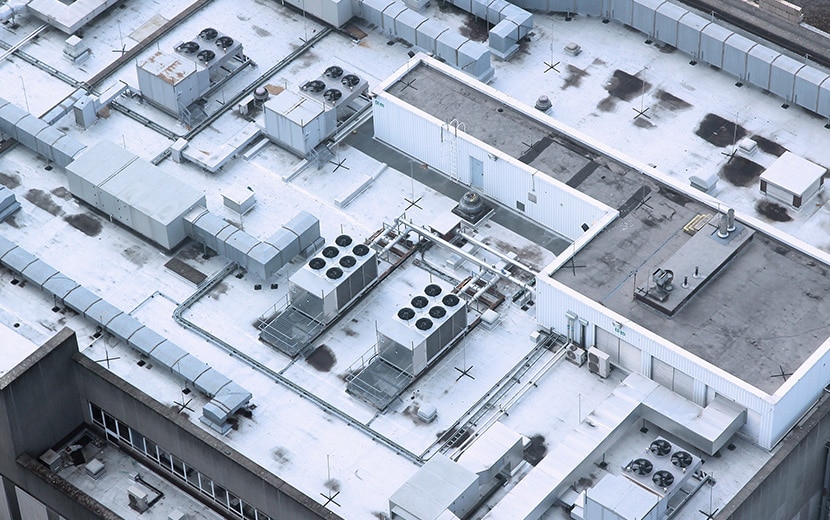
How to Decide Whether to Repair or Replace a Commercial Roof Commercial roofs are a vital aspect of any commercial property. They protect the property from external elements and keep the interior space safe and secure. However, over time, these roofs can deteriorate or sustain damage due to various reasons, such as wear and tear, weather conditions, or improper maintenance. When this happens, business owners are often faced with the dilemma of whether to repair or replace the roof. In this article, we’ll discuss some factors that can help you make an informed decision on whether to repair or replace a commercial roof. Assess the Age of the Roof The age of the roof is a critical factor in deciding whether to repair or replace it. Typically, commercial roofs can last between 15 to 25 years, depending on the type of material used and the level of maintenance it receives. If your roof is nearing the end of its life expectancy, it may be more cost-effective to replace it rather than repair it. Continuously repairing an old roof can become expensive, and the repairs may not last long. The Extent of Damage The extent of damage to a commercial roof is another crucial factor in deciding whether to repair or replace it. If the damage is minor and confined to a small area, then a repair may be sufficient. However, if the damage is extensive and affects a significant portion of the roof, then replacement may be necessary. It is essential to have a professional inspection of the roof to determine the extent of the damage and the best course of action. Cost The cost of repairing or replacing a commercial roof is another critical factor to consider. Repairing a roof may seem like the cheaper option, but it may not be the most cost-effective in the long run. Continuously repairing a roof can add up over time, and these repairs may not last long. On the other hand, replacing a roof may seem like a significant expense initially, but it may save you money in the long run. A new roof will require little maintenance and will last for many years. Energy Efficiency Energy efficiency is becoming increasingly important for many commercial property owners. A roof plays a significant role in a building’s energy efficiency. If your current roof is not energy efficient, it may be worth considering replacing it with a more energy-efficient option. A new roof can help lower energy costs by reducing heat transfer in the summer and heat loss in the winter. Future Plans The future plans you have for the commercial property should also be considered when deciding whether to repair or replace the roof. If you plan to sell the property in the near future, it may be more cost-effective to repair the roof rather than replace it. However, if you plan to keep the property for an extended period, then replacing the roof may be a better option. A new roof can increase the property value and make it more attractive to potential buyers. Final Thoughts Deciding whether to repair or replace a commercial roof can be a challenging decision. Factors such as the roof’s age, the extent of damage, cost, energy efficiency, and future plans should be considered before making a decision. It is essential to have a professional inspection of the roof to determine the best course of action. A commercial roofing contractor can provide you with a detailed assessment of your roof and recommend the best solution for your specific needs. Ultimately, the decision should be based on what is most cost-effective in the long run and what will provide the best protection for your commercial property. Whether you want to repair or replace your commercial roof, Honey Bees Roofing & Solar can help you out. We are Fort Worth commercial roofing contractors that provide cost-effective commercial roofing services. From cost to energy efficiency, we’ll provide all the need-to-know information to help you make the best selection for your business. Get in touch with us today!

Emergency Roof Repair Tips
Roof Repair, Roofing

Emergency Roof Repair Tips

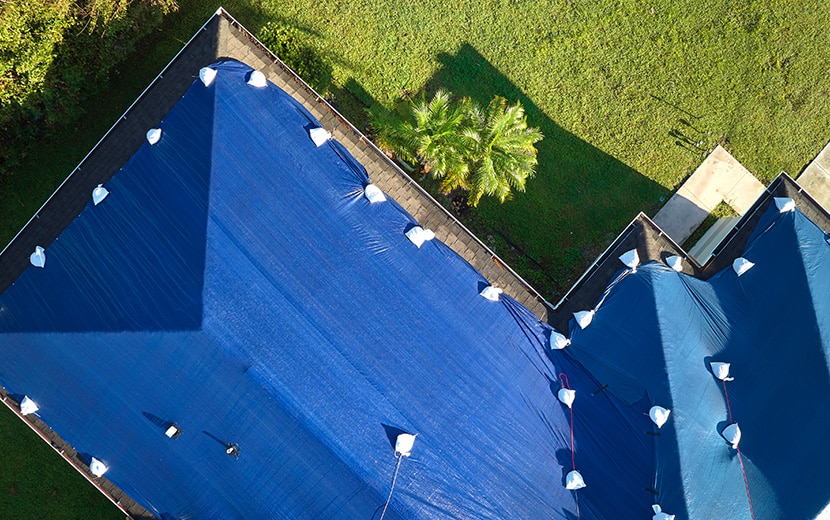
As a homeowner, there’s nothing more frustrating than discovering a leak or finding damage on your roof. Whether it’s due to extreme weather, falling debris, or wear and tear, a damaged roof can lead to expensive repairs and potential destruction to the interior of your home. In such situations, knowing some emergency roof repair tips is essential to minimize the damage and protect your home. This article will provide you with practical and easy-to-follow advice on how to handle emergency roof repairs. Emergency Roof Repair Tips 1. Safety First: Assess the Situation Before you attempt any roof repair, it’s crucial to prioritize your safety and the safety of others. If the damage is extensive or poses a significant risk, avoid going up on the roof and call a professional roofer immediately. Once you feel comfortable inspecting the damage, use a sturdy ladder, wear non-slip shoes, and have someone spot you to ensure your safety. 2. Identify the Source of the Leak or Damage To effectively address the issue, you need to determine the leak’s origin or damage. This may involve conducting a thorough roof inspection, both inside and outside your home. Look for signs of water damage or moisture in your attic or ceiling and inspect your roof for missing or damaged shingles, flashing, and other roofing materials. 3. Temporary Fixes: Using Tarps and Sealants In the case of small leaks or minor damage, temporary fixes can help prevent further damage until a professional can assess the situation and carry out a more permanent repair. One of the most common quick fixes is using a tarp to cover the damaged area. This can help protect your home’s interior from water damage and give you time to contact a professional roofer. To install a tarp, follow these steps: Measure the damaged area and cut a slightly larger tarp than the affected section. Secure the tarp to your roof using 2×4 boards and nails or screws. Ensure the tarp is tight and well-secured to prevent wind and rain from entering. Another temporary fix is using a roof sealant, which can be applied to small cracks or holes in your roofing materials. Roof sealants are available at most home improvement stores and can be applied with a caulking gun or brush. Be sure to follow the manufacturer’s instructions for application and drying times. 4. Clear Debris and Trim Overhanging Branches After addressing the immediate damage, take the time to clear any debris from your roof, such as fallen branches, leaves, or other materials that may have contributed to the damage. Additionally, trim any overhanging branches near your roof to prevent future damage from occurring. 5. Contact Your Insurance Company In some cases, your homeowner’s insurance policy may cover the payment of roof repairs or replacement, depending on the cause of the damage. Contact your insurance company as soon as possible to report the situation and determine if your policy covers the necessary repairs. 6. Hire a Professional Roofer for Permanent Repairs While these emergency roof repair tips and a temporary fix can help minimize damage, contacting a professional roofer for a thorough inspection and permanent repairs is essential. A professional will have the expertise, tools, and materials to ensure the roof is repaired correctly and protected against future issues. Make sure to research and hire a reputable, licensed, and insured roofing contractor to ensure you receive quality workmanship and reliable service. Conclusion Dealing with a destroyed roof can be overwhelming, but knowing these emergency roof repair tips can help you minimize damage, protect your home, and ensure you’re prepared for future issues. Remember to prioritize safety, quickly address any damage with temporary fixes, and consult a professional roofer for permanent repairs. By taking these steps, you can maintain the integrity of your roof and protect your home for decades. In search of a roof replacement specialist? Honey Bees Roofing & Solar is your go-to company in Burleson, TX. As a reliable roofing and solar contractor, we cater to residential and commercial projects, including repairs and more! Don’t hesitate to contact us now and have your roof taken care of in no time!

The Hidden Costs of Ignoring Storm Roof Damage
Roof Repair, Roofing, Storm Damage

The Hidden Costs of Ignoring Storm Roof Damage

As a homeowner, it’s important to stay on top of any storm damage that may have occurred to your roof. While it may seem like a minor inconvenience, ignoring storm roof damage can have hidden costs that can add up over time. This article will discuss six of the most significant hidden costs of ignoring storm roof damage. 1. Water Damage Water damage occurs when water penetrates through the roof and into the interior of the building, causing damage to floors, walls, and ceilings. This event can also lead to mold growth which cause harm to one’s health. The cost of repairing water damage can be significant and may not be covered by insurance if the damage results from negligence. It is important to address any storm roof damage immediately to prevent water from entering the building and causing further damage. 2. Energy Costs Ignoring storm roof damage can lead to costly consequences, not just immediate repairs, but it can also lead to energy costs. When a roof is damaged, it can compromise the insulation and ventilation, leading to energy loss and increased utility bills. A damaged roof may allow cold or hot air to escape, making maintaining a comfortable temperature inside your house difficult. This can lead to higher energy bills as you use more energy to regulate the temperature. Moreover, a damaged roof can cause air leaks that impact the efficiency of your HVAC unit, causing it to use more energy to work harder. 3. Insurance Issues When a storm hits, it’s not uncommon for homes to sustain roof damage. While it may be tempting to ignore the damage or put off repairs, this can lead to hidden costs down the line. Many insurance policies require homeowners to report damage within a certain timeframe, and failure to do so, can result in denied claims or reduced coverage. Additionally, waiting to make repairs can worsen the damage and lead to more expensive repairs in the future. 4. Structural Integrity Remember, the value of your home lies in its structural integrity. A damaged roof can compromise the safety and stability of your entire home. Moisture can seep through the roof, damaging the insulation, walls, and foundation. This can lead to mold growth, rotting wood, and structural damage. 5. Mold and Health Issues A roof damaged during a storm can lead to mold growth, which is a harmful health concern. Moisture is a key factor in mold growth, and a damaged roof can enable water to seep into walls and ceilings, providing the perfect environment for mold to thrive. Exposure to mold spores can cause respiratory problems and allergies and aggravate asthma symptoms. If you think mold is in your home, you should act immediately. You may need professional help to get rid of it properly and to keep it from returning. If you ignore the mold, it could cause serious health problems and result in expensive repairs to your home. Final Thoughts Ignoring storm roof damage can have significant hidden costs. To avoid these costs, inspecting your roof and completing any necessary repairs immediately after a storm is important. Doing so can ensure your home remains safe, healthy, and in good condition for years. Honey Bees Roofing & Solar understands exactly how damaging storms can be to your roof. That’s why we offer reliable and efficient roof repair services in Burleson. Trust our team of experts to assess the damage and provide quality solutions to ensure your roof is sturdy and secure. Don’t wait until it’s too late; contact us today to protect your home from further damage caused by storms.

How Can Hail Damage Your Roof?
Hail Damage, Roof Repair, Roofing

How Can Hail Damage Your Roof?

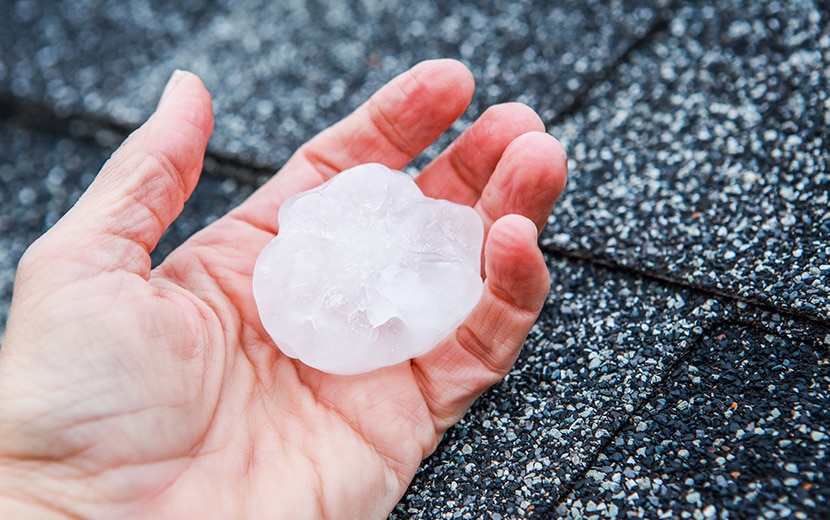
The destructive power of hail can be underestimated. Hail can cause extensive damage to property, including homes, businesses, and vehicles. Hailstones can range in size from pea-sized to baseball-sized. Large hailstones can cause significant structural damage to buildings, while smaller hailstones can cause minor damage, such as broken windows and damaged roofs. Hailstones can shatter windows, break roof shingles, dent vehicles, and damage siding or other exterior finishes. Hailstones can also cause significant damage to objects such as outdoor furniture, decks, railings, and awnings. Homeowners should be aware of the potential for hail damage and take steps to protect their property. This includes investing in hail-resistant roofing materials like metal roofs and securing windows with storm shutters or protective films. In today’s article, let’s explore how hail damage can affect your roof. Here’s what you need to know: What Does Hail Damage Do to a Roof? Hail storms can cause serious damage to your roof. While it may not be immediately obvious, hail can cause significant damage to your roofing system. Dimples or Dents One of the most common signs of hail damage is dimples or dents in the roofing material. Depending on the size of the hail, these dents can be prominent. Additionally, the dents typically do not come out with a simple brush of the hand. Cracked or Missing Shingles Hail can cause shingles to crack or even break off of the roofing system entirely. This can lead to leaks and further damage if left unchecked. Damage to Gutters Hail can also damage gutters, causing them to become bent or dented. This can lead to water pooling in certain areas, which can eventually cause water damage to the roof and the home. Damage to Flashing Flashing is an important part of the roofing system, as it helps to keep water away from the edges of the roof. Hail can cause damage to the flashing, allowing water to seep in and cause damage to the roof and home. Punctures  Hail can cause punctures in the roofing material, leading to leaks and water damage. This is especially common if the hail is large enough. Overall, hail can cause a lot of damage to a roof. Inspecting your roof after a hail storm is important to ensure it is not damaged. If you notice any damage, you should contact a professional roofer to make the necessary repairs. Doing so will help ensure your roof remains in good condition for years. The Importance of Protecting Your Roof From Hail Damage The first step in protecting your roof from hail damage, is making sure your roof is in good condition. Getting a professional roof inspection at least once a year is essential. During the inspection, the roofer can look for issues vulnerable to hail damage, such as missing or damaged shingles, loose nails, or any other signs of wear and tear. This will give you an idea of what repairs or replacements may be necessary to ensure your roof is in top condition. Another way to protect your roof from hail damage is to install a hail-resistant roof. There are various hail-resistant roofs, such as asphalt shingles, metal roofs, and synthetic materials. These materials are designed to be more resilient to hail and can help protect your roof from damage. The Bottom Line Protecting your roof from hail damage is important as it can be extremely costly to repair. This can be done by installing impact-resistant roofing materials, such as metal, rubber, composite shingles, and other materials. You can also install a hail guard system designed to protect your roof from hail damage. Other options include utilizing a roof rake or a tarp to cover the roof. Taking these steps will help you save money in the long run and keep your roof in good condition. If you’re looking for Fort Worth roofing contractors, we can help you. Honey Bees Roofing & Solar is a trusted roofing and solar contractor. We offer residential, commercial, and repair services! Contact us today to learn more and get started!

Determining If Your Roof Was Damaged by High Winds
Roof Repair, Roofing, Wind Damage

Determining If Your Roof Was Damaged by High Winds

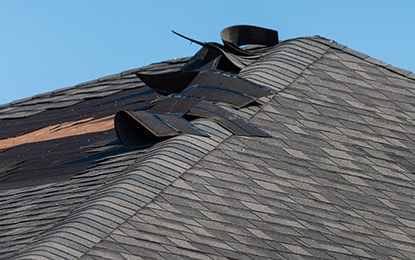
Roof damage isn’t something you’re likely to consider or notice as you approach your home. We typically welcome the sun’s appearance through the clouds after a week of storms. But keep in mind that those storms could have seriously damaged your roof, either from hail or strong winds. The roof may have cracks, loose shingles, and areas where the asphalt has been removed. If you live in an area that was recently affected by high winds, it’s important to inspect your roof for damage. The pointers below may even guide you along the way. Strong Winds May Cause Damage to Your Home Many times, homeowners are surprised to hear that strong winds could harm their houses. That said, your property and the surroundings around it may be at risk from hazards brought on by strong winds, including downed power lines, uprooted trees, and fallen branches. Although these risks are what come to mind when a major storm passes, the wind itself can also cause structural damage to your home. Shingles may become loose or come off when strong winds strike a roof. Even new, solid shingles can be torn off by really strong winds. Damage from falling materials and debris, such as tree branches and broken power lines, can also result in wind damage to a roof. Wind Damaged Roofs Roofs are extremely vulnerable to wind damage, partly because strong gusts don’t always hit them evenly. Instead, the margins of the roof or portions of the roof that are already loose are typically damaged by wind. Since winds can easily rip up loose shingles, starting a chain reaction, these exposed areas of the roof are easy targets. Debris and falling objects frequently cause roof damage as well. Your roof may eventually begin to leak or decay as a result of sustained wind damage. Which Roof Is Best for High Winds? The decking beneath the shingles must be strong and stable, and your fasteners should be of superior quality if you want the greatest roof for heavy winds. Craftsmanship is additionally crucial. Some metal roofing types can survive winds reaching 150 mph or higher. Which Wind Speeds Should I Be Worried About? 45 – 57 mph The National Weather Service states that gusts up to 45 mph can start to cause minor damage, but this speed range is regarded as “non-severe.” These weak winds may break some tree limbs and harm already loosened or vulnerable shingles. 58 – 74 mph When the wind becomes particularly strong, buildings and landscapes sustain serious damage. At this range, the wind will uproot trees, peel off shingles that were in good shape, damage chimneys, and take down entire tree limbs. 75+ mph At this speed, the wind will significantly damage the roofs of homes and businesses as well as causing widespread damage to trees and mobile homes. Determining Wind Damage to Your Roof Call a professional if you’ve recently had gusts of 45 mph or more, and they will come out and check your roof for some of the typical indications of roof damage. Roofs may exhibit loose or missing shingles, chimney problems, curling or peeling shingles, granule loss, damaged soffit or fascia, and inside leaks as a result of wind damage. Tree branches that fall during strong winds might harm a roof. Conclusion Overall, if your roof was damaged by high winds, you will need to call a roofing contractor to assess the damage and provide an estimate for repairs. Roofing contractors are familiar with the specific requirements for repairing high wind damage, so they will be able to provide an accurate estimate for the necessary repairs. If you’re interested in a roof inspection or need roofing help, then contact Honey Bees Roofing & Solar online or call us at817-668-6131! We offer free roofing inspections and Fort Worth roof installation so we can help you choose the best roofing option for your home. In addition, we can work on any type of roof and help you determine what may need to be repaired. If you need a free roof inspection, don’t hesitate to contact us!

5 Benefits of Hiring Professional Roof Repair Specialists
Roof Repair, Roofing

5 Benefits of Hiring Professional Roof Repair Specialists

The roof is an integral part of any home because it protects the overhead from the elements, which can cause severe damage to the house if left unchecked. For this reason, it’s every homeowner’s responsibility to ensure their roof is well-maintained. However, one can only do so much because issues with the roof can still arise. You can try fixing it yourself, but you may be ill-equipped to do so. The good news is that you can always hire a professional roof repair service to ensure your roof is well-repaired and can last for a long time. Unless it’s a surface-level problem, DIY-ing a roof isn’t always recommended, because you may not have the complex knowledge that comes with experience or lack the right gear. When you hire a professional roof repair service, you can reap the following benefits: #1 – Professional Knowledge and Expertise A professional roof repair service has the knowledge and expertise to provide quality work and ensure the roof is properly repaired and can last a long time. This is because they have the necessary experience to identify the root cause of the problem and find the best solution for your roof. For example, if you have a leaking roof, a professional roof repair service will know whether it’s a minor problem that can be fixed by patching a hole or a bigger problem that needs a complete replacement. #2 – Quality Materials Are Used A professional roof repair service always uses high-quality materials to fix your roof. This is because they want to ensure that your roof is repaired properly and can last a long time. For example, a professional roof repair service will use a high-quality patch to fix a hole in your roof. This way, you can be sure that the hole will be fixed properly and won’t cause further damage to your roof. #3 – Safety Measures Fixing a roof is risky, and doing it on your own poses a significant risk of injury. A professional roof repair service will take the necessary safety measures to ensure that you and your workers are safe while fixing your roof. Professional roof repair specialists typically use scaffolding to reach high areas of your roof. They will also wear safety gear, such as gloves, goggles, and boots, to protect themselves from falling debris. #4 – Warranty When you hire a professional roof repair company, you can get a warranty on the repair work. This warranty will protect you from having to pay for the same repairs again. However, it’s worth noting that not all roof repair companies offer warranties on their work. Make sure to ask about this when you are interviewing roof repair companies. #5 – Cost-Effectiveness Hiring a professional roofing company can save you a lot of money in the long run. If you hire an amateur to repair your roof and they do a poor job, you may have to hire another roofing company to fix their mistakes. Conversely, doing it by yourself with zero knowledge may worsen the problem. This could cost you more than if you had just hired a professional. Considerations When Hiring a Roof Repair Service Roof repair specialists are everywhere, but you should never hire the first one you see because you must consider several factors. These include: Experience The roofing company you hire must have a proven track record of fixing roofs. They should have a portfolio to look at and see what they have done in the past to ensure they’ll do a good job. Tools and Equipment Professional roofers typically use industrial-grade tools and equipment to handle all roof work. They also have heavy-duty ladders and scaffolding to ensure a safe work environment. The service you hire must have them to ensure the job is done right. License and Insurance The roofing company you hire should have a valid business license and insurance. The license will show they’re a legal business, and the insurance will protect you from liabilities if someone gets hurt or something goes wrong. Cost Above all else, you should get your money’s worth when hiring a professional roof repair company. Comparing quotes from several companies is recommended to ensure you get the best deal. Conclusion Professional roof repair services are an excellent way to ensure your roof is in good condition and will last for many years. Since roofs are expensive to replace, you must take care of them and get them repaired as soon as possible when they need attention. All that matters is finding the right company to ensure the job is done right. If you’re interested in a roof inspection or need roofing help, then Contact Honey Bees Roofing & Solar online or call us at817-668-6131! We offer free roofing inspections and Fort Worth roof installation so we can help you choose the best roofing option for your home. In addition, we can work on any type of roof and help you determine what may need to be repaired. If you need a free roof inspection, don’t hesitate to contact us!

Signs Your Roof May Have a Leak
Roof Repair, Roofing

Signs Your Roof May Have a Leak

If you’re a homeowner, it’s important to be aware of the signs that indicate your roof may have a leak. A leaky roof can cause serious damage to your home if it’s not fixed in a timely manner. Water stains on your ceilings or walls, cracks or holes in your gutters, and excessive condensation in your attic are all potential indicators that your roof is leaking. Check out these tips for preventing roof leaks, and some signs your roof may have a leak. Common Signs of a Leaking Roof One of the most common signs of a leaking roof is water stains on your ceilings or walls. If you notice any stains, it’s important to investigate the source of the leak as soon as possible. Water stains can be caused by a number of different factors, including missing shingles, damaged flashing, or clogged gutters. If left unaddressed, a small leak can quickly turn into a big problem. Other potential signs of a leaky roof include cracks or holes in your gutters, excessive condensation in your attic, and water damage around your chimney. If you suspect you have a leak, please contact a professional roofer right away to avoid further damage to your home. How to Prevent Roof Leaks There are a few things you can do to prevent roof leaks in the first place. One of the best ways to prevent leaks is to keep your gutters clean and clear of debris. Clogged gutters can cause water to back up and seep under your shingles. It also helps to inspect your roof regularly for any missing or damaged shingles. If you notice any damage, it’s best to have it fixed as soon as possible to avoid further issues. How to Fix a Leaky Roof If you already have a leak in your roof, it’s important to get it fixed as soon as possible. The longer you wait, the more damage the leak will cause. Small leaks can often be repaired by patching up the affected area with some roofing cement. However, if the leak is large or located in a difficult-to-reach spot, you may need to replace the entire section of the roof. This is a job best left to a professional. The Importance of Regular Roof Maintenance Regular roof maintenance is important for preventing leaks as well as extending the life of your roof. A simple way to keep your roof in good condition is to clear away any debris such as leaves or branches that might fall on it. You should also inspect your roof regularly for any signs of damage. If you notice any missing or damaged shingles, it’s best to have them replaced as soon as possible. Even if you’re diligent about maintaining your roof, there’s always a chance that something could go wrong. That’s why it’s a good idea to have a professional roofer inspect your roof at least once a year. They will be able to spot any potential problems and make recommendations for repairs or replacements. Having your roof inspected regularly can help you avoid costly repairs down the road. Call a Professional If your roof is leaking then it can quickly lead to more extensive damage. Water stains on your ceilings or walls, cracks or holes in your gutters, and excessive condensation in your attic are all potential indicators that your roof is leaking. If you suspect you have a leak, it’s important to contact a professional roofer as soon as possible to avoid further damage to your home. If you’re interested in a roof inspection or would like a roof repair then Contact Honey Bees Roofing & Solar online or give us a call today at817-668-6131! We offer free roofing inspections so we can help you choose the best roofing option for your home. In addition, we can work on any type of roof and help you determine what may need to be repaired. If you need a free roof inspection, don’t hesitate to contact us!

What to do if you have Hail Damage?
Hail Damage, Roof Repair, Roofing

What to do if you have Hail Damage?

Hail storms are frequent in the Dallas, Fort Worth area, and do serious damage to property. In fact, large hailstones can even plummet towards the earth at over 100mph! One of the things that can take the most damage is your roofing. While your roofing is designed to protect the rest of your home, when it’s hurt it can lead to major problems. From water damage and leaks to needing a potential full replacement. But, what do you do if you have hail damage? Well, Honey Bees Roofing & Solar has all the information you need for calm after the storm. Prepare for Hail! One of the best things you can do before a storm hits is to get ready for it! Prep work like checking for previous damage, cutting back tree limbs that are hanging over your home, and inspecting your gutters can help your roof stay in decent shape after a squall. Make sure you’re being safe during hail as well, by staying inside and away from windows. What are the Signs of Hail Damage? There are many signs of damage to look out for, but it mainly involves a change in the appearance of your shingles. One major sign is dark spots on the roof that are lacking granules. These spots are where hailstones hit the roof. The impacts damage your shingles, and they may need replacing. If the impacts are hard enough they can tear shingles, causing bits and pieces of shingles to slide off of the roof. If you see any part of your roofing, either physical pieces or small asphalt granules, your roof needs an inspection for damage. What to do After a Hail Storm Once the Storm Passes The first thing that should happen after a hailstorm is to try to assess damages. Make sure your family is safe and then take a look around your property. Make notes and take pictures of anything that has been broken by the squall. Look for signs of roofing damage at the edge of your roofing and where your downspouts deposit. Try your best to take steps to avoid further damage. If you have any major damage to your roof, call a local roofing company to get an emergency tarp put over it. Work on an Insurance Claim Once you or your roofer has evidence collected, get a hold of your insurance agent. You’ll want to start your insurance claim as soon as possible, as the process can take some time. The sooner you start the claim, the sooner you can get financial support to fix any property damages. Some insurance claims can be made up to a year after the incident, so you may have time if life gets in the way. However, double-check your specific policies to determine their specific timeframe. Call a Professional Hail damage can be sudden and lead to extreme loss. It’s also often a very lengthy and trying process to fix without the help of a professional. This process can be quite stressful, but Honey Bees Roofing & Solar is here to help. We’ll meet with you and your insurance adjuster on-site to discuss the restoration plan for your home. We’ll help you navigate the homeowner’s insurance claims process, thus relieving you of stress and helping you get the best reimbursement. We specialize in ensuring you receive everything you’re entitled to under your insurance policy. If you need help with roof repairs or understanding the roofing insurance process, Contact Honey Bees Roofing & Solar online or give us a call today at 817-668-6131! We would be more than happy to help!

Honey Bees Roofing

525 E Bethesda Rd.
Burleson, TX 76028
Phone 817-668-6131

Support

Important Links

FAQ

Contacts

Contacts

(732) 262-3141
380 Birch Bark Dr
Brick, New Jersey(NJ), 08723


525 E Bethesda Rd.
Burleson, TX 76028
Phone 817-668-6131

Scroll to Top