Determining If Your Roof Was Damaged by High Winds
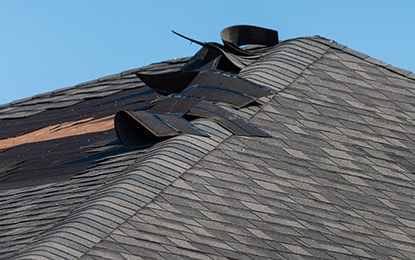
Roof damage isn’t something you’re likely to consider or notice as you approach your home. We typically welcome the sun’s appearance through the clouds after a week of storms. But keep in mind that those storms could have seriously damaged your roof, either from hail or strong winds. The roof may have cracks, loose shingles, and areas where the asphalt has been removed. If you live in an area that was recently affected by high winds, it’s important to inspect your roof for damage. The pointers below may even guide you along the way. Strong Winds May Cause Damage to Your Home Many times, homeowners are surprised to hear that strong winds could harm their houses. That said, your property and the surroundings around it may be at risk from hazards brought on by strong winds, including downed power lines, uprooted trees, and fallen branches. Although these risks are what come to mind when a major storm passes, the wind itself can also cause structural damage to your home. Shingles may become loose or come off when strong winds strike a roof. Even new, solid shingles can be torn off by really strong winds. Damage from falling materials and debris, such as tree branches and broken power lines, can also result in wind damage to a roof. Wind Damaged Roofs Roofs are extremely vulnerable to wind damage, partly because strong gusts don’t always hit them evenly. Instead, the margins of the roof or portions of the roof that are already loose are typically damaged by wind. Since winds can easily rip up loose shingles, starting a chain reaction, these exposed areas of the roof are easy targets. Debris and falling objects frequently cause roof damage as well. Your roof may eventually begin to leak or decay as a result of sustained wind damage. Which Roof Is Best for High Winds? The decking beneath the shingles must be strong and stable, and your fasteners should be of superior quality if you want the greatest roof for heavy winds. Craftsmanship is additionally crucial. Some metal roofing types can survive winds reaching 150 mph or higher. Which Wind Speeds Should I Be Worried About? 45 – 57 mph The National Weather Service states that gusts up to 45 mph can start to cause minor damage, but this speed range is regarded as “non-severe.” These weak winds may break some tree limbs and harm already loosened or vulnerable shingles. 58 – 74 mph When the wind becomes particularly strong, buildings and landscapes sustain serious damage. At this range, the wind will uproot trees, peel off shingles that were in good shape, damage chimneys, and take down entire tree limbs. 75+ mph At this speed, the wind will significantly damage the roofs of homes and businesses as well as causing widespread damage to trees and mobile homes. Determining Wind Damage to Your Roof Call a professional if you’ve recently had gusts of 45 mph or more, and they will come out and check your roof for some of the typical indications of roof damage. Roofs may exhibit loose or missing shingles, chimney problems, curling or peeling shingles, granule loss, damaged soffit or fascia, and inside leaks as a result of wind damage. Tree branches that fall during strong winds might harm a roof. Conclusion Overall, if your roof was damaged by high winds, you will need to call a roofing contractor to assess the damage and provide an estimate for repairs. Roofing contractors are familiar with the specific requirements for repairing high wind damage, so they will be able to provide an accurate estimate for the necessary repairs. If you’re interested in a roof inspection or need roofing help, then contact Honey Bees Roofing & Solar online or call us at817-668-6131! We offer free roofing inspections and Fort Worth roof installation so we can help you choose the best roofing option for your home. In addition, we can work on any type of roof and help you determine what may need to be repaired. If you need a free roof inspection, don’t hesitate to contact us!