Author name: Daniel

Frequently Asked Questions About Roofing Projects: Everything You Need to Know
Roofing

Frequently Asked Questions About Roofing Projects: Everything You Need to Know

Frequently Asked Questions About Roofing Projects: Everything You Need to Know Navigating the world of roofing projects can be confusing and complex, especially when faced with a list of unanswered questions. Honey Bees Roofing & Solar understands the importance of making informed decisions when it comes to your home’s roof. We have compiled this comprehensive guide addressing frequently asked questions about roofing projects. From selecting the ideal materials and understanding the costs involved to determining warranty options and the role of a roofing contractor, our expert advise will help you steer through your roofing journey with confidence. With a focus on our services, we’ll offer clarity and guidance for homeowners considering roof repairs, replacements, or maintenance tasks. Trust Honey Bees Roofing & Solar to make the process transparent and hassle-free, providing the knowledge you need to achieve a high-quality, long-lasting roof for your home. Choosing the Right Roofing Material 1. What are the most common residential roofing materials? Some of the most popular residential roofing materials include asphalt shingles, metal, wood shakes, clay and concrete tiles, and slate. Each option has its unique benefits and drawbacks, which should be considered in the context of your home’s design, local climate, and budget. 2. How do I choose the best material for my roof? To choose the best roofing material for your home, consider factors such as durability, cost, energy efficiency, and aesthetic appeal. Consult with a professional roofing contractor, like Honey Bees Roofing & Solar, to gain expert advice tailored to your specific circumstances and requirements. 3. What is the approximate lifespan of various roofing materials? The lifespan of roofing materials can vary significantly: Asphalt shingles typically last 15-30 years Metal roofing can last 40-70 years Wood shakes have a lifespan of 20-40 years Clay and concrete tiles can last up to 50 years or more Slate roofs can surpass 100 years Keep in mind that regular maintenance and appropriate installation are crucial for ensuring the longevity of any roofing material. Understanding Roofing Costs 1. How much does a roof replacement project typically cost? The cost of a roof replacement project depends on factors such as the size and complexity of your roof, the material chosen, labor costs, and any additional elements like ventilation or flashing. On average, a new roof installation or replacement may cost anywhere between $5,000 and $30,000. However, it’s essential to obtain a detailed quote from a reputable contractor to determine the precise cost for your specific project. 2. Are there any financing options available for a roof replacement project? Many roofing contractors, including Honey Bees Roofing & Solar, offer financing options to assist homeowners with their roof replacement projects. These typically include payment plans, credit options, and promotional offers. Be sure to discuss available financing options with your chosen roofing contractor to find a solution that best suits your budget. Navigating Roof Repairs and Maintenance 1. What are some common roof repair issues homeowners should be aware of? Some common roof repair issues include leaks, damaged or missing shingles, poor ventilation, and flashing problems. Regular roof inspections are crucial for identifying and addressing these problems promptly, preventing further damage and costly repairs down the line. 2. How often should homeowners schedule a roof inspection? It’s recommended that homeowners schedule routine roof inspections at least once every two years, although annual inspections are ideal. Additional inspections may be needed after severe weather events, such as storms or hail. A professional roofing contractor like Honey Bees Roofing & Solar can help you establish an appropriate inspection schedule based on your roof’s age, materials, and local climate. 3. What preventive maintenance steps can homeowners take to ensure the longevity of their roof? Regular preventive maintenance tasks to maximize your roof’s longevity include: Clearing debris from the roof surface and gutters Examining and replacing damaged or missing shingles Ensuring proper ventilation and insulation Maintaining flashing to prevent leaks Promptly addressing any leaks or other signs of damage Working with a qualified roofing contractor will ensure these tasks are carried out correctly and efficiently. The Role of a Roofing Contractor 1. Why is it essential to hire a licensed roofing contractor? A licensed roofing contractor has the necessary expertise, experience, and certifications to ensure your roof installation, replacement, or repair is carried out correctly. Additionally, they carry the appropriate insurance coverage to protect you from potential liability in the event of accidents or property damage during the project. 2. What questions should I ask when choosing a roofing contractor? Some essential questions to ask when choosing a roofing contractor include: Can you provide proof of licensing and insurance coverage? How many years of experience do you have in the roofing industry? Can you provide customer references or examples of completed projects? What warranties or guarantees do you offer for your work and the materials used? What is your process for obtaining permits and ensuring compliance with building codes? How will you manage waste removal and cleanup during the project? Honey Bees Roofing & Solar is committed to providing the highest level of professionalism and customer satisfaction, so feel free to ask us any questions about your roofing project’s logistics and our services. 3. What does a roofing warranty typically cover? Roofing warranties generally fall into two categories: material warranties and workmanship warranties. Material warranties are provided by the manufacturer, covering defects in the products, while workmanship warranties are given by the contractor, covering installation errors. Be sure to discuss the specific warranty terms and conditions with your roofing contractor and material provider to ensure a clear understanding and coverage for your project. Honey Bees Roofing & Solar – Your Trusted Partner for Roofing Excellence Having a solid understanding of your roofing project is crucial in making informed decisions to protect and enhance your home’s value. From selecting the right materials and budgeting for costs to scheduling regular maintenance and vetting qualified contractors, knowledge is key to ensuring a successful roofing experience. When you’re ready to embark on your roof repair,
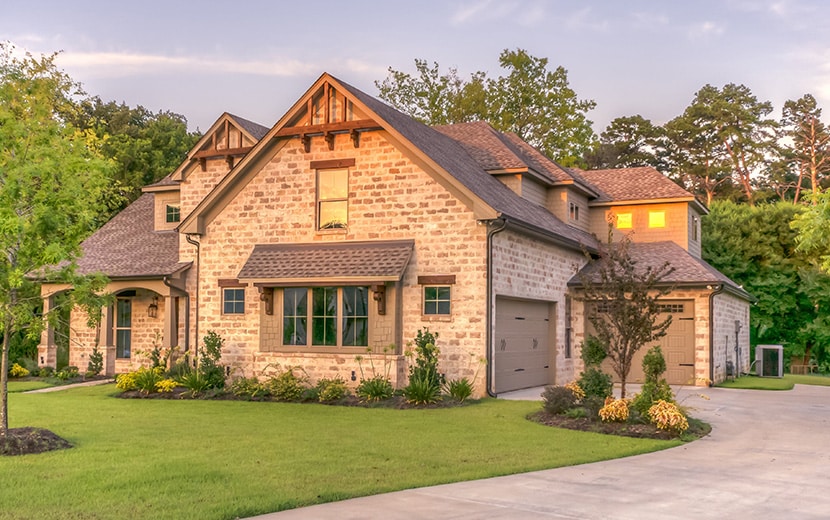
Fix Your Roof with Ease: 10 Common Roofing Problems & Solutions
Residential Roofing

Fix Your Roof with Ease: 10 Common Roofing Problems & Solutions

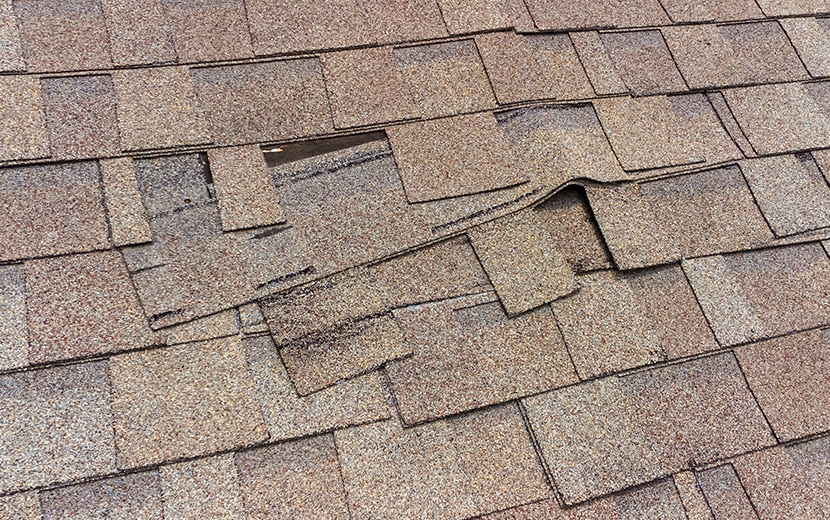
Fix Your Roof with Ease: 10 Common Roofing Problems & Solutions Your roof is your home’s first line of defense against the elements, so it’s crucial to address potential issues promptly and effectively to maintain the safety and security of your living space. Over time, even the best-constructed roofs can develop problems due to age, severe weather, or improper installation. In this article, we will walk you through ten common roofing problems and provide practical advice for addressing each. With the expertise and craftsmanship of Honey Bees Roofing & Solar, you can feel confident in the proper management of these common challenges, ensuring the longevity and comfort of your home. From leaks and damaged shingles to poor ventilation and inadequate insulation, we’ll cover the issues you’re most likely to encounter and offer valuable solutions for restoring your roof to its optimal condition. Armed with this knowledge and the support of the Honey Bees Roofing & Solar team, you can keep your home safe, comfortable, and protected from the elements. Leaks and Moisture Damage Leaks are one of the most common roofing problems, and if left unaddressed, they can lead to significant property damage. Leaks typically occur at penetrations (vents and pipes), flashing, and skylights or as a result of ice dams, clogged gutters, or damaged shingles. Solution: To resolve leaks and moisture damage, start by identifying the source of the leak. If you’re unable to locate the origin, consider contacting a roofing professional, such as Honey Bees Roofing & Solar, to assess the situation and provide a thorough inspection. Fix or replace damaged components as needed, and maintain gutters regularly to prevent future leakage. Damaged or Missing Shingles Shingles can become damaged or go missing as a result of severe weather or general wear and tear. Missing shingles expose the underlayment and decking to the elements, potentially leading to leaks and other issues over time. Solution: If your roof has damaged or missing shingles, it’s crucial to repair or replace them as soon as possible. Keep in mind that if a significant portion of your roof is impacted, a partial or full roof replacement may be necessary. Consult a trusted roofing expert to determine the appropriate course of action. Poor Ventilation and Insulation Roof ventilation is an essential component of any home, as it helps regulate attic temperature, prevents moisture buildup, and extends the life of your roofing materials. If your roof is poorly ventilated or insulated, it can lead to a variety of issues, including mold and mildew growth, reduced energy efficiency, and ice dams. Solution: Ensure that your attic has proper ventilation by installing soffit and ridge vents, which work together to bring in fresh, cool air while expelling hot, moist air. Additionally, inspect and upgrade insulation as needed to minimize heat transfer and maintain consistent indoor temperatures. Ice Dams Ice dams form when snow on the roof melts and refreezes along the eaves, creating a barrier that prevents water from flowing off the roof. This trapped water can lead to leaks and significant damage to your home’s interior. Ice dams are often a result of inadequate insulation, which causes heat from the living space to rise and warm the roof, melting the snow. Solution: To prevent ice dams, ensure that your attic is well-insulated, and your roof has adequate ventilation to allow heat to escape. It’s also helpful to clear snow and ice from your roof as needed during the winter months to reduce the potential for ice dam formation. Flashing Issues Flashing refers to the thin strips of metal installed at roof intersections, around vents, chimneys, and skylights, and along the valleys. It is an essential component of a roof’s waterproofing system, but it can become damaged or corroded over time, leading to leaks. Solution: Regularly inspect your roof’s flashing and replace any damaged or missing pieces. If you’re not confident in tackling the job yourself, consult with a roofing professional like Honey Bees Roofing & Solar to ensure proper installation and a reliable seal. Gutter Problems Clogged, sagging, or leaking gutters can create a host of issues for your roof and home. Inadequate gutter systems can lead to water overflow, causing damage to your home’s siding, fascia, soffit, and foundation. Solution: Regularly clean your gutters and downspouts, removing debris to ensure proper water flow. Inspect gutters for damage and make necessary repairs or replacements. It’s also a good idea to invest in gutter guards to minimize the risk of clogs. Ponding Water Flat or low-slope roofs are more susceptible to ponding water, which is defined as standing water that remains on the roof for more than 48 hours after a rain event. Ponding water can lead to increased wear on your roofing materials and the potential for leaks. Solution: If you notice ponding water on your roof, consult with a roofing expert to determine the best approach to address the issue. Solutions may include adjusting the slope of your roof, adding additional drains, or installing roof crickets to direct water flow. Roofing Material Age and Wear Roofing materials have varying life expectancies, and as they age, they become more susceptible to damage and failure. For example, an asphalt shingle roof typically lasts between 15 and 30 years, while a metal roof can last up to 50 years or more. Solution: Schedule regular roof inspections to assess the condition of your roofing materials and plan for a roof replacement when they reach the end of their lifespan. A proactive approach can help prevent significant damage and costly repairs. By addressing these common roofing problems promptly, you can extend the life of your roof and protect your home from unnecessary damage. If you need professional assistance, consider reaching out to a trusted roofing expert like Honey Bees Roofing & Solar to provide guidance and quality services tailored to your specific needs. Secure Your Roof with Honey Bees Roofing & Solar Addressing common roofing problems in a timely manner is crucial to maintaining the safety, comfort, and

The Top 5 Roofing Materials for Residential Properties: A Comprehensive Guide
Residential Roofing

The Top 5 Roofing Materials for Residential Properties: A Comprehensive Guide

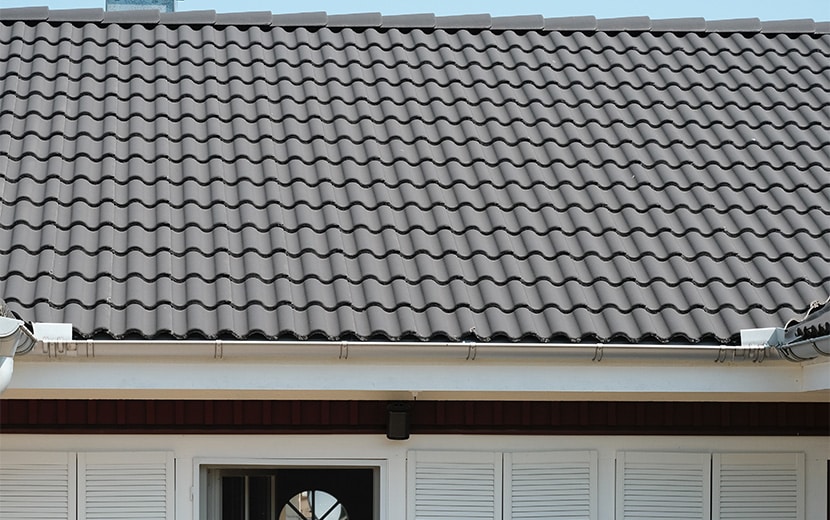
The Top 5 Roofing Materials for Residential Properties: A Comprehensive Guide Are you looking for the perfect roofing material for your home? With the array of options available on the market, it can be overwhelming to choose the right one for your specific needs. That’s why we’ve put together this comprehensive guide to help you understand the top five popular residential roofing materials and their pros and cons. Our team at Honey Bees Roofing & Solar is committed to helping you make an informed decision so you can invest confidently in the right roof for your home. In this guide, we’ll explore the benefits and drawbacks of asphalt shingles, metal roofing, clay and concrete tiles, wood shakes, and synthetic roofing materials. We’ll provide insights on factors such as durability, energy efficiency, cost, and aesthetic appeal. With this knowledge, you’ll be better equipped to make an informed decision that aligns with your preferences and budget, ensuring you have a roof that’s both functional and visually appealing. Trust Honey Bees Roofing & Solar to be your go-to resource for all your residential roofing needs and more. Asphalt Shingles: A Popular and Affordable Choice Asphalt shingles are the most widely used roofing material in the United States, thanks to their affordability, versatility, and ease of installation. They are made from a base material (usually fiberglass or organic) coated with asphalt and topped with granules, which provide added protection from the elements. Asphalt shingles come in a variety of styles, colors, and textures, allowing homeowners to select the perfect look for their home. Pros of Asphalt Shingles: – Affordable: Asphalt shingles are among the least expensive roofing materials, with options available to fit most budgets. – Easy Installation: Most roofing professionals are well-versed in asphalt shingle installation, making them a popular choice for contractors and DIY enthusiasts alike. – Versatility: The variety of styles and colors means asphalt shingles can suit almost any architectural style. Cons of Asphalt Shingles: – Lower Lifespan: Asphalt shingles typically last between 15 to 30 years, depending on factors such as climate and maintenance. This is shorter than the lifespan of other roofing materials like metal or tile. – Less Eco-Friendly: Asphalt shingles are a petroleum-based product and often end up in landfills when they need to be replaced. Metal Roofing: Durable and Energy-Efficient Metal roofing materials, such as steel, aluminum, copper, and zinc, are known for their durability, energy efficiency, and low maintenance requirements. They are available in a variety of shapes, including standing seam, corrugated, and interlocking panels, which can be customized to fit the aesthetic of any home. Metal roofs have become increasingly popular due to their long-lasting and eco-friendly nature. Pros of Metal Roofing: – Longevity: A metal roof can last up to 50 years or more, making it a sound investment for homeowners seeking a long-term roofing solution. – Energy-Efficient: Metal roofs reflect solar energy, reducing cooling costs in the summer. – Environmentally Friendly: Metal roofing materials are often made from recycled materials and can be recycled at the end of their life, reducing landfill waste. Cons of Metal Roofing: – High Upfront Cost: Metal roofing materials can be more expensive than other options, but the long-term savings in energy costs and durability can offset the initial investment. Clay and Concrete Tiles: A Classic and Long-lasting Option Clay and concrete roof tiles have been used for centuries, particularly in Mediterranean and Spanish-style architecture. These materials are prized for their durability, natural beauty, and fire resistance. Clay and concrete tiles come in various shapes and styles, allowing homeowners to achieve their desired aesthetic. Pros of Clay and Concrete Tiles: – Durability: Clay and concrete tiles can last for 50 to 100 years or more, making them one of the longest-lasting roofing materials. – Fire Resistance: Clay and concrete tiles are non-combustible, providing an additional level of fire protection for homes. – Aesthetic Appeal: The natural, timeless look of clay and concrete tiles can greatly enhance a home’s curb appeal. Cons of Clay and Concrete Tiles: – Weight: Clay and concrete tiles are significantly heavier than other roofing materials, which may require additional structural support. – High Cost: The cost of clay and concrete tiles is higher compared to other options, but their longevity and durability can help offset the expense. Wood Shakes: A Beautiful and Natural Choice Wood shakes, or shingles, provide a natural and rustic aesthetic to homes. They are typically made from cedar, redwood, or cypress, which are known for their weather resistance. Wood shakes have been a popular choice for homeowners seeking an eco-friendly and unique roofing option. Pros of Wood Shakes: – Aesthetic Appeal: Wood shakes offer a unique, rustic look that can enhance the beauty of a home. – Energy Efficiency: Wood is a natural insulator, meaning a wood shake roof can help regulate the temperature of a home, potentially saving on heating and cooling costs. – Eco-Friendly: Wood shakes are made from a renewable resource and can be recycled at the end of their life. Cons of Wood Shakes: – Maintenance: Wood shakes require more maintenance than other roofing materials due to their susceptibility to mold, mildew, and insect damage. – Flammability: Untreated wood shingles can pose a fire risk; however, fire-retardant treatments are available to reduce this risk. – Higher Cost: Wood shakes are more expensive than asphalt shingles or metal roofing materials, but some homeowners may view the unique aesthetic as worth the additional investment. Synthetic Roofing Materials: A Modern Alternative Synthetic roofing materials, such as plastic, rubber, or composite shingles, are a modern alternative to traditional materials. They are designed to mimic the appearance of wood shakes, clay tiles, or slate, while offering improvements in durability and weather resistance. Pros of Synthetic Roofing Materials: – Durable and Low Maintenance: Synthetic roofing materials are highly resistant to weather, insects, and mold, reducing maintenance requirements compared to their natural counterparts. – Lightweight: Synthetic materials are typically lighter than clay or concrete tiles, eliminating the need for additional

The Importance of Proper Ventilation for a Healthy Roof
Roofing

The Importance of Proper Ventilation for a Healthy Roof

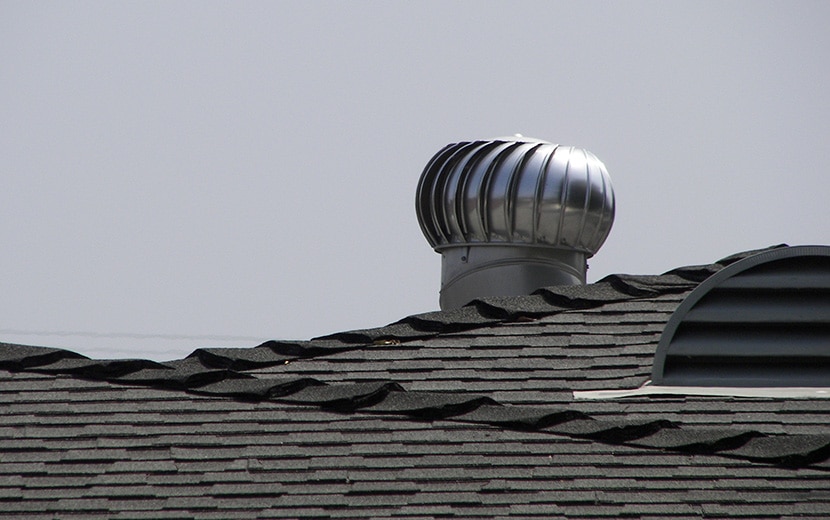
The Importance of Proper Ventilation for a Healthy Roof Proper attic ventilation plays a critical role in maintaining the health and longevity of your roof. By facilitating the circulation of fresh air and regulating temperature and moisture levels, effective attic ventilation helps prevent costly damage caused by heat buildup, condensation, and mold growth. Understanding the intricacies of this often-overlooked aspect of roof maintenance can save you money, improve your home’s energy efficiency, and ensure the durability of your roof. In this guide, we will explore the importance of proper ventilation in maintaining the integrity of your roof, the various types of ventilation systems, and potential issues resulting from inadequate ventilation. Additionally, we will discuss how Honey Bees Roofing & Solar can help homeowners in Burleson, Texas, achieve the ideal ventilation set up to protect their homes and boost their roof’s performance. The Significance of Attic Ventilation for a Healthy Roof Ventilation is a vital aspect of a roofing system, as it maintains proper temperature and moisture levels within the attic space. In the absence of adequate ventilation, your roof and attic can experience several issues, which could lead to deterioration, costly repairs, and even endanger the well-being of your family. Benefits of Proper Attic Ventilation Temperature Regulation: Attic ventilation helps maintain a consistent temperature within the space, reducing the risk of heat buildup. During warmer months, inadequate ventilation can cause your roof’s shingles to warp, leading to premature wear and potential roof failure. Moisture Control: A well-ventilated attic helps minimize the risk of condensation, which can lead to mold growth or rot in your roof’s structure. Preventing these moisture-related issues protects the integrity of your roofing materials and prolongs the life of your entire roofing system. Energy Efficiency: Proper attic ventilation can significantly improve your home’s overall energy efficiency. In hot weather, a well-ventilated attic helps reduce the strain on your air conditioning system by preventing heat buildup. Similarly, during cooler months, adequate ventilation eliminates excess moisture, which can help maintain consistent indoor temperatures, reducing the need for heating. Indoor Comfort: Ensuring proper attic ventilation can contribute to a comfortable indoor living environment by preventing temperature fluctuations and reducing the risk of mold growth, which can negatively impact air quality. Types of Attic Ventilation Systems Ridge vents: These vents are installed along the ridge of the roof and are paired with soffit vents (located at the eaves) to create a continuous airflow system. Warm air rises and escapes through the ridge vents, while cooler air enters through the soffits, creating a natural convection process that regulates attic temperature and moisture levels. Gable vents: Installed near the attic’s peak on the gable ends of a home, gable vents enable cross-ventilation by allowing outside air to enter the attic space. When used in conjunction with soffit vents, gable vents can help maintain proper attic airflow. Soffit vents: As mentioned earlier, soffit vents are located under the eaves of a roof and facilitate the intake of fresh air into the attic. These vents are designed to work in tandem with ridge vents or other exhaust ventilation systems to maintain an effective air exchange. Roof vents: These static vents are installed directly on the roof surface and allow warm, moist air to escape from the attic. Roof vents come in various shapes and sizes, including box vents, turtle vents, and off-ridge vents, to suit the specific needs of your home. Powered attic ventilators: As the name implies, powered attic ventilators (PAVs) use electric fans to force the exchange of air in and out of the attic. These systems can be helpful in regulating temperature and humidity levels; however, they may also consume additional energy, negating some of the energy efficiency benefits of proper attic ventilation. Potential Issues Caused by Inadequate Ventilation Heat buildup: In the absence of proper ventilation, heat can accumulate, causing shingles to warp and the roofing material to deteriorate. Prolonged exposure to excessive heat can lead to a severely compromised roof structure, which may require costly repairs or replacement. Condensation and mold: Excess moisture from inadequate ventilation could result in condensation on the attic’s surfaces, promoting mold growth and rot. If left untreated, these issues can cause the wood to weaken and, in some cases, even harm the home’s inhabitants’ health due to poor air quality. Ice dam formation: In colder climates, improper attic ventilation can lead to ice dams—frozen water that accumulates along the edges of the roof, preventing melting snow from draining properly. Ice dams can cause significant damage to shingles, gutters, and even the roof’s structural integrity. Increased energy bills: Poor attic ventilation can result in higher energy bills, as the trapped heat and moisture disrupt your home’s temperature balance and force your HVAC system to work harder to maintain a comfortable living environment. Voided warranties: Some roofing material manufacturers require proper attic ventilation to maintain the validity of their warranties. A lack of adequate ventilation could void these warranties, leaving homeowners financially responsible for any damages or issues. How Honey Bees Roofing & Solar Can Help with Attic Ventilation Partnering with a professional roofing contractor like Honey Bees Roofing & Solar is crucial in designing and implementing an effective attic ventilation system. Our experienced team can assess your home’s ventilation needs and recommend the most suitable solutions to safeguard your roof’s integrity, improve energy efficiency, and enhance indoor comfort. Whether you need help designing a new ventilation system or correcting issues with your existing setup, Honey Bees Roofing & Solar is equipped to tackle any attic ventilation challenge. Breathe Easy with Expert Attic Ventilation Solutions from Honey Bees Roofing & Solar Proper attic ventilation is an essential component of a healthy roof, playing a crucial role in maintaining its structural integrity, preventing damage, and boosting energy efficiency. By understanding the various types of ventilation systems and the benefits they offer, homeowners can make an informed decision to protect their investment and ensure their roof’s longevity. Partner with Honey Bees Roofing & Solar, a trusted roofing contractor,

The Importance of Roof Flashing: Types, Installation, and Maintenance
Roofing, Roofing Maintenance

The Importance of Roof Flashing: Types, Installation, and Maintenance

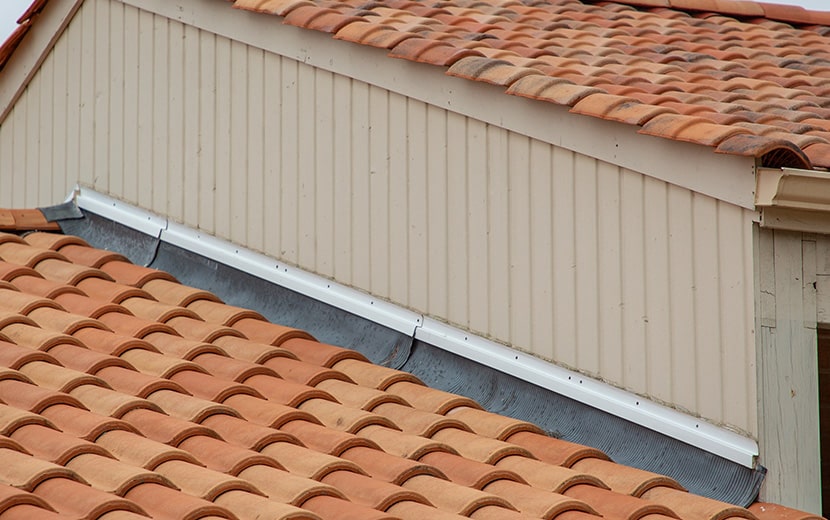
The Importance of Roof Flashing: Types, Installation, and Maintenance Water damage can lead to severe structural issues in your home if left unchecked. One of the most critical components protecting your home’s interior from external water penetration is roof flashing. Properly installed and maintained roof flashing is essential to ensure the long-term health and performance of your home’s roof. With years of experience as a trusted roofing and solar contractor in Burleson, TX, Honey Bees Roofing & Solar is here to provide expert insights into the vital role of roof flashing, the various types, installation processes, and essential maintenance practices. Roof flashing is a thin metal or plastic material installed to protect joints, seams, and edges of the roofing system where water might penetrate the inner portion of the house. These areas could include valleys, dormers, skylights, chimneys, and vents. Inadequate or improperly installed flashing can lead to leaks, which can further cause severe problems such as mold, mildew, and rot within your home. Selecting the most suitable flashing material for your home, ensuring proper installation, and committing to regular maintenance are all crucial factors in protecting your residence from potential water damage. The following guide, prepared by Honey Bees Roofing & Solar, will provide you with valuable information on the significance of roof flashing and how to care for this essential component of your roofing system. Getting a deeper understanding of roof flashing will set you on the path toward more effective protection against the elements and greater peace of mind for your home’s overall performance and longevity. Different Types of Roof Flashing Materials There is a variety of roof flashing materials to choose from, each with its unique benefits and drawbacks. The primary factors to consider when selecting a flashing material are cost, durability, and compatibility with your roofing system. Here are some common types of roof flashing materials: Aluminum: Aluminum is lightweight, rust-resistant, and relatively inexpensive, making it a popular choice for many homeowners. However, it can be prone to corrosion when in contact with alkaline materials like cement and paint. Copper: Known for its durability and resistance to rust, copper flashing is a long-lasting option that requires minimal maintenance and adds a sense of elegance to your roof. However, copper flashing can be more expensive than other materials and might require more skill to install. Galvanized Steel: This material consists of a steel base coated with a sealing layer of zinc to prevent corrosion. Galvanized steel flashing offers a balance between affordability and durability, but it may rust over time if the zinc layer becomes compromised. Lead: Lead is extremely malleable and resistant to corrosion, making it suitable for intricate rooftop structures. While lead flashing has a long lifespan, it’s more expensive than other options and presents potential health risks if not handled carefully. Essential Steps in Installing Roof Flashing Proper installation of roof flashing is critical to ensure its effectiveness in protecting your home from water damage. Although it’s recommended to hire a professional roofing contractor like Honey Bees Roofing & Solar for accurate and secure installations, here are the essential steps involved in the process: Evaluate the Roof: Inspect the roofing system for any damage and identify the critical areas, such as valleys, chimneys, and skylights, that need flashing. Select the Appropriate Flashing Material: Based on the type of roofing system, climate, and budget, choose the most suitable flashing material for your home. Prepare the Surface: Clean the area thoroughly, ensuring it’s free from debris and old sealants. The surface must be dry and smooth before applying the flashing. Install the Flashing: Depending on the area and type of flashing material, install the flashing using appropriate fasteners, adhesives, and sealants. Make sure the flashing is securely in place and adequately overlaps to prevent water penetration. Inspect and Seal the Flashing: After installation, inspect the flashing to ensure it’s properly adhesive and sealed to prevent water leaks. Regular Maintenance Practices for Roof Flashing Regular maintenance is vital to prolong the lifespan and effectiveness of your roof flashing. Here are some best practices for maintaining your roof flashing: Inspect Flashing Regularly: Conduct periodic inspections to check for signs of damage or wear in the flashing material, especially after extreme weather conditions like heavy rain, hail, or strong winds. Clean Debris: Periodically clear debris, such as leaves and dirt, from the flashing areas to prevent water buildup and potential damage. Check for Corrosion or Damage: Inspect the flashing for any signs of corrosion, rust, or other damage that could compromise its effectiveness in protecting your home from water penetration. Seal Exposed Edges: If you notice any gaps or exposed edges in the flashing, apply a suitable sealant to ensure protection against water infiltration. Contact a Professional: If you detect any significant wear or issues during your maintenance check, hire a professional roofing contractor like Honey Bees Roofing & Solar for a thorough assessment and necessary repair work. Addressing Common Roof Flashing Problems Here are some common roof flashing problems and how to address them: Improper Installation: If not installed correctly, flashing can be ineffective in preventing water damage. Hiring a professional contractor to assess and repair improper installations or consulting a professional during a DIY installation is crucial. Deteriorated Sealant: Over time, the sealant used to secure and seal the flashing may deteriorate, causing gaps and leaks. Reapplying a suitable sealant to the affected areas can resolve this issue. Mechanical Damage: Roof flashing can become damaged due to wind, ice, and other external factors. Timely repairs by professionals are essential to prevent further damage. Conclusion Understanding the importance of roof flashing, the different types of materials, and essential maintenance practices can significantly contribute to the long-term performance of your home’s roofing system. Proper flashing installation and maintenance can significantly reduce the risks associated with water damage, ensuring the protection and structural integrity of your home. By working with a trusted roofing contractor like Honey Bees Roofing & Solar, you can ensure that your roof flashing is

The Numerous Benefits of Sustainable Roofing Materials for Your Home
Residential Roofing

The Numerous Benefits of Sustainable Roofing Materials for Your Home

The Numerous Benefits of Sustainable Roofing Materials for Your Home As the consciousness for environmentally friendly living continues to rise, so does the demand for sustainable building materials. In the world of roofing, choosing eco-friendly options not only benefits the environment but also adds value to your home by increasing its energy efficiency and durability. For those looking to either construct a new roof or replace an existing one, understanding the advantages of sustainable roofing materials is essential. That’s why Honey Bees Roofing & Solar, a trusted roofing contractor in Burleson, TX, offers insights into the benefits of eco-friendly materials, potential options for sustainable roofing systems, and guidance on selecting the right option for your home. Sustainable roofing materials are specifically designed to minimize the environmental impact throughout their life cycle, from production to disposal. They often contribute to improved energy efficiency, longevity, and recyclability, thereby reducing waste and conserving natural resources. When considering sustainable materials for your home, it’s essential to evaluate not just their environmental advantages but also factors such as cost, regional climate, and style preferences. By doing so, you can make a more informed decision that balances eco-friendliness with functionality, aesthetics, and practicality. This comprehensive guide, prepared by Honey Bees Roofing & Solar, will delve into the most popular sustainable roofing materials, their unique advantages, and how they can contribute to a greener future for our planet. By considering these eco-friendly options, homeowners can play an essential role in reducing their carbon footprint while enjoying the numerous benefits of sustainable roofing materials for years to come. Key Benefits of Sustainable Roofing Materials Before diving into the specifics of various eco-friendly options, it is crucial to highlight the overarching benefits of incorporating sustainable materials into your home’s roofing system: Energy Efficiency: Sustainable roofing materials often provide better insulation, which helps to regulate your home’s temperature and reduce reliance on HVAC systems, ultimately lowering energy consumption and utility bills. Durability: Eco-friendly materials typically have longer lifespans than conventional roofing options, increasing your home’s overall value and reducing the frequency of replacement or repair work. Lower Environmental Impact: By using recyclable, renewable, or repurposed materials, sustainable roofing options minimize the overall environmental impact, leading to reduced landfill waste and natural resource use. Healthier Living Spaces: Sustainable roofing materials can improve your home’s overall air quality, which can have a positive impact on the health and well-being of your family. Top Sustainable Roofing Materials To help you make an informed decision for your home, here are the top sustainable roofing materials currently available on the market: Metal Roofing: Metal roofing, made from materials such as aluminum, steel, and copper, is recyclable, energy-efficient, and durable. Besides offering a modern aesthetic appeal, metal roofing reflects solar heat, reducing cooling costs during warm months. Clay and Concrete Tiles: These materials are known for their durability and longevity, making them popular eco-friendly choices. Both require minimal maintenance, resist rot and insect damage, and provide excellent insulation. Wood Shingles and Shakes: Sourced from sustainably managed forests, cedar shingles and shakes are natural, biodegradable, and renewable. They offer excellent insulation properties, and with proper maintenance, they can last for many decades. Recycled Roofing Materials: Reusing waste materials, such as rubber or plastic, to create roofing options significantly reduces landfill waste. These materials are typically long-lasting, low-maintenance, and can imitate the appearance of conventional roofing options. Cool Roofs: Consisting of reflective paint, tile, or shingle, cool roofs help lower a home’s temperature by reflecting sunlight. By reducing heat absorption, cool roofs enhance indoor comfort and result in lower energy consumption. Selecting the Right Sustainable Roofing Option for Your Home When it comes to choosing the most appropriate sustainable roofing material for your home, consider these essential factors: Regional Climate: Depending on your location, certain materials may be better suited to withstand the climatic conditions. For example, clay tiles would not be recommended in areas prone to freezing temperatures, as they could become damaged by frost. Budget: Evaluate the initial installation costs, as well as the long-term value of energy savings and durability, to find a roofing material that balances affordability with sustainability. Aesthetic Preferences: Your chosen material should complement the overall style and appearance of your home. Consult with a design professional or a trusted roofing contractor like Honey Bees Roofing & Solar to ensure that your preferred material seamlessly fits your home’s aesthetic. Professional Advice: Seek input from a trusted roofing contractor who has experience with sustainable roofing options. Their advice can play a crucial role in ensuring that the material you select aligns with your requirements, preferences, and long-term goals. Maintenance and Care for Sustainable Roofs Regular maintenance is just as crucial for sustainable roofing materials as it is for traditional options. Follow these best practices to ensure maximum performance and longevity: Inspect Regularly: Schedule periodic inspections to identify potential issues early on, particularly after severe weather events. Clean Debris: Keep your roof clean by removing debris, such as leaves, branches, and moss, to prevent potential damage and ensure optimal performance. Prompt Repairs: If you discover any damage during your regular inspections, prompt repairs are key to preventing further complications or more expensive repairs in the long run. Consult Professionals: Rely on professionals for regular maintenance and inspections to ensure your sustainable roof remains in excellent condition. Conclusion By incorporating sustainable roofing materials into your home, you can enjoy numerous benefits, such as enhanced energy efficiency, durability, and a lower environmental impact. Choosing the right option for your home requires careful consideration of factors such as climate, budget, aesthetics, and professional guidance. With the help of a trusted roofing contractor like Honey Bees Roofing & Solar, you’ll be well on your way to making a more informed, eco-friendly decision for your home’s roofing system. Embrace sustainable living, make a responsible choice for our environment, and invest in a greener future for generations to come. Are you in need of trusted roofing contractors in Fort Worth? Look no further than Honey Bees Roofing & Solar!

The Ultimate Guide to Choosing the Right Roofing Material for Your Home
Residential Roofing

The Ultimate Guide to Choosing the Right Roofing Material for Your Home

The Ultimate Guide to Choosing the Right Roofing Material for Your Home When it comes to selecting the right roofing material for your home, there is no one-size-fits-all answer. Every homeowner has unique preferences and requirements, and the climate, architectural style, and budget play significant roles in determining the ideal choice. With a wide range of roofing materials available in the market, it can be overwhelming to navigate the numerous options and find the perfect solution for your needs. However, a well-chosen roofing material can significantly impact your home’s durability, energy efficiency, and aesthetic appeal, making it a crucial decision for any homeowner or builder. In this comprehensive guide, we will walk you through the key factors you need to consider when selecting the right roofing material for your home. We’ll provide an in-depth comparison of popular roofing materials, covering aspects such as lifespan, cost, maintenance, and environmental impact, to help you make an informed decision tailored to your specific needs and preferences. Additionally, we will offer insights from the experienced roofing professionals at Honey Bees Roofing, ensuring that your roofing investment yields years of reliable protection and aesthetic satisfaction.  Key Factors to Consider When Choosing Roofing Material Before diving into the pros and cons of various roofing materials, let’s first identify the critical factors to consider when selecting the perfect roofing option for your home: Climate: Your local climate plays a significant role in determining the most suitable roofing material. For instance, some materials perform better in extreme heat, while others are better equipped to handle heavy snowfall or wind. Aesthetic Appeal: Your roofing choice should complement the architectural style of your home and blend seamlessly with the surrounding environment. Budget: Roofing materials vary widely in cost, and it’s essential to choose an option that fits within your budget without sacrificing quality or durability. Maintenance and Reparability: Some roofing materials require more maintenance and are harder to repair than others. Consider the long-term maintenance costs and ease of repair when selecting your roofing material. Energy Efficiency: The right roofing material can help improve your home’s energy efficiency, keeping your interior comfortable and reducing utility bills. Lifespan and Durability: A longer-lasting roofing material may require a higher upfront investment but can save you money in the long term by reducing the frequency of replacement or repair.  Comparing Popular Roofing Materials Now that we have discussed the critical factors to consider let’s take a closer look at some of the most popular roofing materials in today’s market and weigh their pros and cons: Asphalt Shingles: A popular choice among homeowners due to their affordability and ease of installation. Asphalt shingles offer a variety of styles and colors, making them a versatile option for various architectural styles. However, they have a shorter lifespan compared to other roofing materials, often requiring replacement after 15-30 years. [Asphalt Roofing Manufacturers Association] Metal Roofing: Known for its durability and energy efficiency, metal roofing can last up to 50 years or more with minimal maintenance. Available in numerous styles, metal roofing can mimic the look of slate, tile, or wood shingles. Metal roofs can be more expensive upfront but provide long-term cost savings due to their longevity and low maintenance requirements. Wood Shingles and Shakes: Offering a timeless, natural aesthetic, wood shingles and shakes are often used on historic or rustic-style homes. However, they require more maintenance and are not recommended in fire-prone areas. Wood roofing materials typically last around 30 years but can last longer with proper care. Clay and Concrete Tiles: Typically used in Mediterranean and Spanish-style homes, clay and concrete tiles offer a distinct look and excellent durability. These heavyweight materials may require additional roof support, and they tend to be more expensive than other roofing options. However, with a lifespan of up to 50 years or more, they can be a smart investment for the right home. Slate: Slate provides a luxurious, high-end look and exceptional durability, with a lifespan of up to 100 years or more. Despite its beauty and longevity, slate is a heavy material that requires professional installation and can be expensive upfront.  Tips for Choosing the Right Roofing Material With your newfound knowledge of popular roofing materials and the factors to consider, follow these tips to help you select the perfect option for your home: Consult with Your Local Building Department: Building codes and regulations may restrict or dictate specific roofing materials in your area. Make sure to consult with your local building department before making any decisions. Seek Professional Advice: Partner with a trusted roofing contractor, like Honey Bees Roofing, who can offer expert guidance based on their years of experience and knowledge of local climate and architectural styles. Request Samples: Obtain samples of various materials to get a feel for their aesthetics and quality. Examine the samples in different lighting conditions and view them from different angles to ensure they meet your preferences. Consider Your Home’s Environment: If your home is located in a humid region or near the coast, choose a material resistant to corrosion, rot, and mold. For homes in areas prone to wildfires, consider fire-resistant materials.  Maximizing the Lifespan of Your Roofing Material To ensure your chosen roofing material delivers long-lasting performance and durability, follow these simple maintenance tips: Schedule Regular Roof Inspections: An annual professional inspection can help you identify and address potential issues before they become significant problems. Keep Your Roof Clean: Regularly remove debris and moss to prevent water buildup and promote proper drainage. Maintain Your Gutters: Clean gutters and downspouts frequently, especially during the fall season when leaves are prone to accumulate. Address Any Problems Promptly: If you detect damage or issues during inspections, arrange for repairs as soon as possible to prevent further complications. Conclusion Choosing the right roofing material for your home is a crucial decision that can significantly impact your property’s durability, energy efficiency, and visual appeal. By considering factors such as climate, aesthetics, budget, maintenance, and lifespan, you can select the perfect material to meet

Residential Flat Roofing: Types, Advantages, and Maintenance Tips
Residential Roofing

Residential Flat Roofing: Types, Advantages, and Maintenance Tips

Residential Flat Roofing: Types, Advantages, and Maintenance Tips Although less common in residential settings, flat roofs offer unique advantages and aesthetic appeal for many homeowners. As a leading roofing contractor in Burleson, TX, Honey Bees Roofing & Solar understands the nuances of residential flat roofing and is well-equipped to guide homeowners through the process of selecting and maintaining the most suitable flat roofing materials for their homes. If you are considering a flat roof for your home or looking to learn more about the subject, this comprehensive guide offers valuable insights to help you make informed decisions. Designed to cover everything from the various types of flat roofing materials and their advantages to crucial maintenance practices, our guide aims to provide a thorough understanding of what residential flat roofing entails. While flat roofs typically lend themselves more to commercial and industrial buildings, they have been making their way into the residential sphere in recent years. As modern and contemporary architectural styles gain popularity, homeowners are increasingly exploring the unique attributes flat roofs offer, such as maximizing valuable living space and creating stylish rooftop gardens or decks. As with any significant home improvement project, understanding the options, requirements, and maintenance needs associated with flat roofing is crucial to ensuring long-lasting performance. With the expertise and guidance of Honey Bees Roofing & Solar, this guide will help you navigate the world of residential flat roofing, allowing you to make educated decisions about the ideal material to embrace for your home, and how to ensure its longevity. Whether you are a homeowner contemplating a flat roof, an architect seeking inspiration, or a curious homeowner learning more about different roofing styles, this guide has you covered. Let’s dive in and explore the fascinating realm of residential flat roofing. Popular Types of Residential Flat Roofing Materials There is a wide variety of flat roofing materials available, each with its advantages and limitations. Here, we focus on four popular options for residential flat roofs: Built-Up Roofing (BUR): BUR is one of the oldest and most traditional flat roofing techniques, consisting of multiple layers of roofing felt and asphalt/bitumen, with a top layer of gravel or stone for added protection. It is known for its durability, longevity, and relatively low cost. Modified Bitumen Roofing: This material is an enhanced version of BUR, comprising layers of reinforced roofing felt and an asphalt/bitumen blend with added modifiers (such as atactic polypropylene or styrene-butadiene-styrene) to improve flexibility, durability, and weather resistance. It is typically applied in rolls and may be attached using a torch, adhesive, or self-adhesive backing. EPDM Rubber Roofing: Ethylene propylene diene monomer (EPDM) rubber is a synthetic material commonly used for its ease of installation, low maintenance requirements, and excellent weather resistance. EPDM flat roofs may be installed fully adhered, mechanically attached, or ballasted with stone or gravel. TPO and PVC Roofing: Thermoplastic olefin (TPO) and polyvinyl chloride (PVC) single-ply roofing membranes are lightweight, highly reflective, and energy-efficient. These materials are commonly chosen for their ease of installation, longevity, and resistance to UV rays, chemicals, and punctures. Advantages of Flat Roofs for Residential Homes Residential flat roofs offer several benefits that homeowners may find appealing, including: Extra Living Space: Flat roofs can be transformed into functional outdoor spaces, such as rooftop gardens, decks, or patios, providing homeowners with additional living space and entertainment areas. Unique Aesthetics: With their sleek and modern design, flat roofs complement contemporary architectural styles, offering a distinctive appearance that sets them apart from the more common pitched roofs. Ease of Maintenance: Flat roofs generally facilitate more straightforward maintenance and inspection, as contractors can walk on the roof without difficulty, making access to gutters, vents, and other rooftop fixtures more manageable. Solar Installation: Flat roofs provide ample space for solar panel installation and offer flexible positioning options to maximize sunlight exposure and energy production. Essential Maintenance Tips for Residential Flat Roofs Proper care and maintenance are crucial to prolonging the life of your flat roof and ensuring that it functions effectively. Here are four essential tips for maintaining a residential flat roof: Regular Inspections: Schedule routine inspections with a reputable roofing contractor like Honey Bees Roofing & Solar to identify and address any potential issues that could affect your roof’s performance. Debris Removal: Keep your flat roof clear of debris, such as leaves, branches, and dirt, to prevent water build-up, moss growth, and potential blockage of drainage systems. Drainage System Maintenance: Ensure that your roof’s drainage system—such as gutters, downspouts, and scuppers—is functioning correctly and clear of obstructions to prevent water pooling and related damages. Prompt Repairs: Address any damage or potential issues immediately to prevent further deterioration, leaks, and interior damage. Factors to Consider When Choosing Flat Roofing Materials When selecting the ideal material for your residential flat roof, consider the following factors: Climate: Each roofing material has unique properties that make it more or less suitable for specific climate conditions. For instance, EPDM rubber is highly resistant to temperature fluctuations, making it an excellent choice for regions with harsh winters or scorching summers. Weight: The weight of the roofing material relative to your home’s structure is crucial to consider, as heavier materials may require added reinforcement to support the load. Lifespan: Compare the expected lifespan of various materials to make an informed decision about the long-term value of your investment. While some options, like BUR, are known for their longevity, other materials, like TPO or PVC, are likely to have a shorter lifespan but offer other benefits, such as energy efficiency. Cost: Research the upfront and long-term costs associated with different roofing materials, including installation, maintenance, and eventual replacement expenses, to make an educated decision about the best investment for your home. Conclusion Residential flat roofs provide homeowners with various advantages, including unique aesthetics, added living spaces, and ease of maintenance. Knowing the differences between popular flat roofing materials and understanding the factors to consider when selecting your roof will help create a lasting foundation for your home. With appropriate care

Tips to Prevent Storm Damage and Improve Roof Resilience
Roof Repair, Roofing, Storm Damage

Tips to Prevent Storm Damage and Improve Roof Resilience

Tips to Prevent Storm Damage and Improve Roof Resilience Severe weather, including thunderstorms, hail, and heavy winds, can pose a significant risk to the integrity of your property’s roof. Storm damage can lead to leaks, loss of energy efficiency, or even the need for a full roof replacement. As a responsible property owner, it’s crucial to take preventive measures to storm-proof your roof and minimize possible damage caused by extreme weather events. In this blog post, we will explore various strategies to enhance your roof’s resilience and prevent storm damage. Additionally, we will discuss how Honey Bees Roofing & Solar can assist you in achieving a durable, storm-resistant roofing solution. Storm-proofing your roof involves a combination of proactive measures, such as selecting appropriate roofing materials, ensuring proper installation, conducting regular inspections and maintenance, and investing in additional protection measures like impact-resistant shingles or improved ventilation systems. By adapting your roof to better withstand severe weather, you not only increase its longevity but also save time and resources by minimizing repair costs and reducing the risk of property damage. At Honey Bees Roofing & Solar, we are committed to delivering expert services and resources tailored to meet your property’s unique needs and challenges. Our experienced roofing professionals understand the importance of a durable and resilient roof, especially in the face of extreme weather conditions. We are proud to provide top-quality materials, professional installation, and comprehensive maintenance services to help our clients protect their properties from storm damage effectively and efficiently. In the following sections, we will delve into essential steps for storm-proofing your roof, offering practical tips and insights to help you stay prepared for severe weather events and ensure the lasting protection and value of your property. We will also highlight how partnering with a trusted roofing expert like Honey Bees Roofing & Solar can make the process of achieving a storm-resistant roof uncomplicated and rewarding. Choosing the Right Roofing Materials for Storm Resistance The first step in storm-proofing your roof is selecting materials that are specifically designed to resist extreme weather conditions. Different materials offer varying degrees of durability and resistance to factors such as hail, wind, and water damage. Here are a few roofing materials known for their resilience: Metal Roofing: Metal roofs are exceptionally strong and can withstand hail, high winds, and heavy rain. They offer excellent durability and are low maintenance, making them a sound investment for storm-prone areas. Impact-Resistant Shingles: These shingles are designed to withstand the impact of hail and other debris without cracking or breaking, thus reducing the risk of storm damage. Rubber and Synthetic Roofing: Both of these materials are highly resistant to impact damage, water penetration, and general wear and tear from extreme weather conditions. Consulting with an experienced roofing contractor like Honey Bees Roofing & Solar can help you select the best materials to meet your unique storm-proofing needs. Ensuring Proper Roof Installation and Ventilation The quality of your roof installation plays a significant role in its storm-resistance. A poorly installed roof is more susceptible to damage from high winds, leaks, or structural issues. When working with an experienced roofing professional like Honey Bees Roofing & Solar, you can be confident that your roof installation will meet or exceed industry standards, providing optimal protection against severe weather. A well-ventilated roof is also crucial for storm-proofing. Proper ventilation helps regulate temperatures in your attic, preventing the formation of ice dams in the winter and reducing heat build-up in the summer. Furthermore, adequate ventilation can help prevent moisture buildup which can lead to mold, mildew, or wood rot. Conducting Regular Roof Inspections and Maintenance As part of a comprehensive storm-proofing strategy, regular roof inspections and maintenance are essential. Routine inspections will help you identify potential issues before they become severe, allowing for timely repairs that can prevent costly damage from storms. Aim to inspect your roof at least twice a year, ideally in the spring and fall, as well as after any major weather events. During these inspections, look for the following: Damaged or missing shingles, which should be replaced immediately to prevent leaks and water damage. Loose or damaged flashing around vents, chimneys, or skylights, which can allow water to seep into your property during a storm. Debris buildup in gutters and downspouts, which can impede proper water drainage and increase the risk of leaks. Signs of water damage or rot in your attic, which could indicate a leak or inadequate ventilation. A professional roofing contractor like Honey Bees Roofing & Solar can conduct thorough roof inspections and handle any maintenance tasks that arise, helping you keep your roof in peak condition for optimal storm-resistance. Investing in Additional Storm-Proofing Measures Besides selecting durable materials, ensuring proper installation, and conducting regular inspections, there are additional measures you can take to further storm-proof your roof. Some of these include the following: Installing a secondary water barrier: This extra layer of protection under your roofing materials can help protect against water infiltration during a storm. Reinforcing your roof deck attachment: Adding hurricane clips or straps can strengthen the connection between your roof and the walls of your property, reducing the risk of wind damage. Upgrading your roof’s underlayment: High-performance synthetic underlayments can improve your roof’s water resistance and overall durability. Trimming back overhanging branches: Keeping trees and shrubs well-maintained can minimize the risk of damage from falling branches or windswept debris. Conclusion Storm-proofing your roof is a critical aspect of protecting your property from the potential damage caused by severe weather. By selecting the right materials, ensuring proper installation and ventilation, and conducting regular inspections and maintenance, you can enhance your roof’s resilience against storms and extend its lifespan. Trust the experienced team at Honey Bees Roofing & Solar to help guide you through the process of storm-proofing your roof, providing expert advice, top-quality materials, and industry-standard installation and maintenance services. Our dedication to the lasting protection and value of your property is unmatched, ensuring your peace of mind in the face of

The Longevity of Your Roof: Factors Affecting Roof Lifespan and How to Extend It
Roof Repair, Roofing

The Longevity of Your Roof: Factors Affecting Roof Lifespan and How to Extend It

The Longevity of Your Roof: Factors Affecting Roof Lifespan and How to Extend It A roof is one of the most critical components of any property, and maintaining its longevity is crucial for both homeowners and business owners. A long-lasting roof can provide safety, comfort, and energy efficiency, not to mention the aesthetic and monetary values it adds to your property. While numerous factors can affect a roof’s lifespan, understanding how these factors influence your roof’s longevity and taking necessary precautions can significantly extend its lifespan. In this blog post, we will discuss various elements that can impact roof longevity, and provide expert tips from our experienced team at Honey Bees Roofing to help you maximize the life of your roof. Roofing Materials and Their Impact on Roof Lifespan The type of roofing material you choose plays a significant role in determining the lifespan of your roof. Each material comes with its unique durability level, making it essential to make an informed decision. Here’s a breakdown of common roofing materials and their expected lifespans: Asphalt Shingles: These popular and affordable shingles have a lifespan of approximately 15–30 years, depending on the quality and maintenance. Metal Roofing: With proper installation and care, metal roofs can last for 40–70 years, offering excellent durability and weather resistance. Wood Shingles and Shakes: Wood roofing materials typically have a lifespan of 20–40 years, but may vary depending on factors such as climate and regular maintenance. Slate and Tile: Offering a lifespan of 50–100 years or more, these materials are long-lasting and can withstand extreme weather conditions. However, they are also significantly more expensive than other roofing options. Selecting a roofing material with a longer lifespan may have a higher upfront cost but can save you money in the long run by reducing the frequency of repairs and replacements. The Impact of Climate on Roof Longevity Climate and weather conditions have a major impact on the lifespan of your roof. Excessive heat, cold, strong winds, heavy rainfall, or snow can cause various issues, such as cracks, leaks, and shingle damage. Here are a few climate-related factors to consider: Temperature Fluctuations: Extreme temperature changes can cause materials to expand and contract, leading to cracks or structural damage over time. Heavy Rain and Moisture: Prolonged exposure to moisture can cause wood shingles to rot and encourage mold growth on other materials like asphalt and tile. Storms and Hail: Strong winds and hail can dislodge shingles, cause debris buildup, or induce other types of damage. Snow and Ice: The weight and melting cycle of snow and ice can cause stress on the roof structure, leading to ice dams and potential leaks. To protect your roof from harsh climate conditions, consider using materials specifically designed for your region and maintain a regular roof inspection and maintenance schedule. The Importance of Proper Installation and Maintenance Proper installation and regular maintenance can significantly extend the lifespan of any roofing material. Working with a trusted roofing contractor like Honey Bees Roofing ensures that your roof is installed correctly and meets all industry standards. A well-installed roof can better withstand weather and wear and tear over time. In addition to proper installation, routine maintenance is key to maintaining your roof’s health. Semi-annual inspections can help detect damage or potential issues early, allowing for prompt repairs that can prevent more extensive damage. Make sure to: Check for damaged or missing shingles and replace them when necessary. Inspect flashing, vents, and chimney for any signs of damage or leaks. Keep gutters clean to promote adequate water drainage and prevent ice dams. Trim overhanging tree branches to prevent debris buildup and minimize potential for damage during storms. A commitment to regular maintenance not only helps extend your roof’s lifespan but also increases its overall performance and energy efficiency. How Honey Bees Roofing Can Help Extend Your Roof’s Lifespan At Honey Bees Roofing, we understand the importance of maximizing your roof’s longevity. Our experienced team is committed to providing high-quality materials, expert installation, and comprehensive maintenance services to help you achieve a long-lasting and dependable roofing solution. By partnering with us, you can expect: Expert guidance on choosing the best roofing materials for your property and climate. Professional installation, adhering to the highest industry standards. Dependable roof maintenance and repair services to address issues promptly and effectively. A dedicated team of roofing experts, ensuring your peace of mind and satisfaction. Conclusion The lifespan of your roof is influenced by factors such as roofing materials, climate, installation quality, and regular maintenance. By understanding and addressing these factors, you can effectively prolong your roof’s life, securing the long-term protection and value of your property. Trust the experienced professionals at Honey Bees Roofing to deliver expert guidance, high-quality materials, and skilled services in all aspects of your roofing project, ensuring a long-lasting roofing solution that meets your unique needs and expectations. At Honey Bees Roofing, we are dedicated to assisting property owners in maintaining the optimal health and longevity of their roofs. Our professional team of roofing contractors not only excels in providing high-quality roofing services and materials but also offers comprehensive guidance on prolonging roof life and preventing unnecessary damage. With our expertise, you can be confident that your investment in a new roof or roof repair will provide lasting protection and value for your property. Let us help you achieve a roof that not only looks great but also provides lasting protection and energy efficiency for years to come. Contact us today to schedule a consultation!

Honey Bees Roofing

525 E Bethesda Rd.
Burleson, TX 76028
Phone 817-668-6131

Support

Important Links

FAQ

Contacts

Contacts

(732) 262-3141
380 Birch Bark Dr
Brick, New Jersey(NJ), 08723


525 E Bethesda Rd.
Burleson, TX 76028
Phone 817-668-6131

Scroll to Top