Author name: Daniel

Flat Roof vs. Pitched Roof: Choosing the Best Roof Type for Your Property
Commercial Roofing, Flat Roofing, Roofing

Flat Roof vs. Pitched Roof: Choosing the Best Roof Type for Your Property

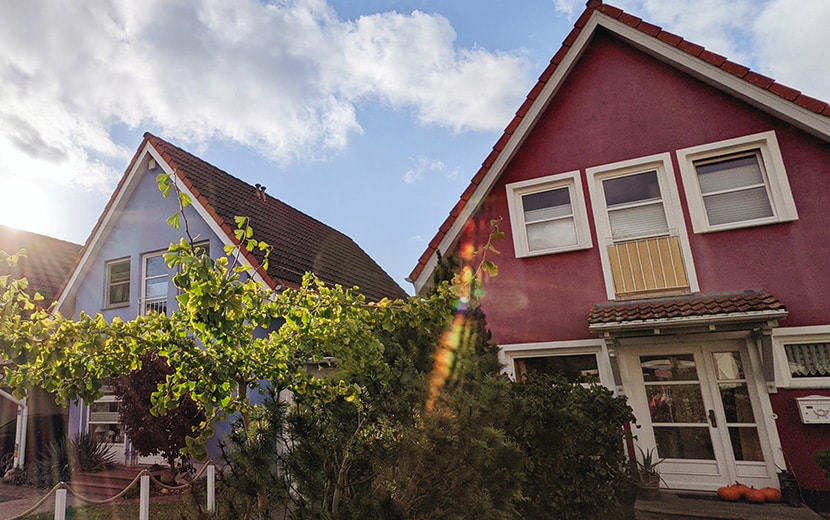
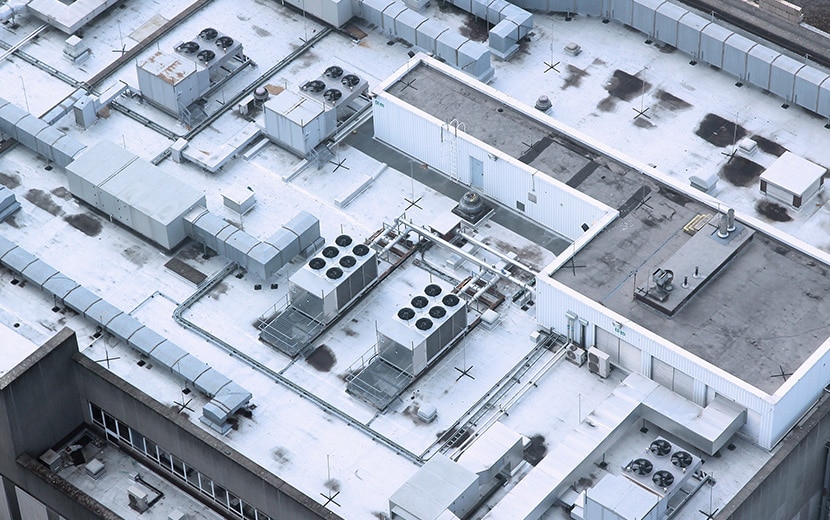
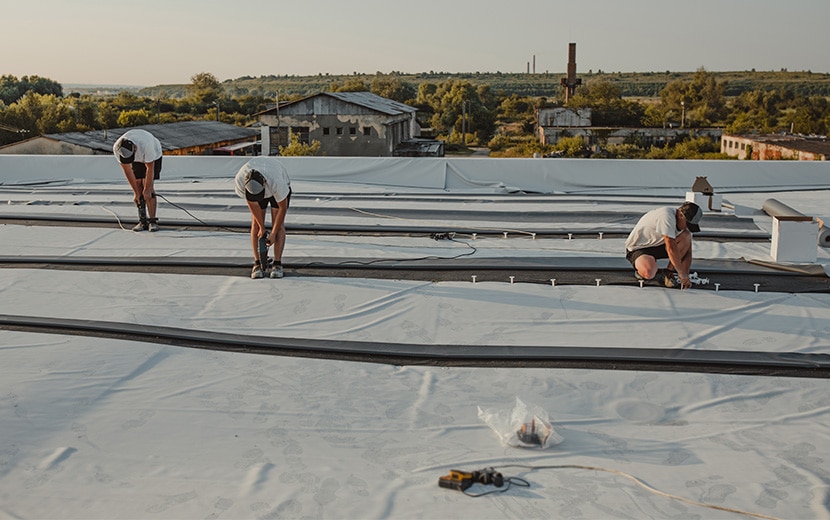
Flat Roof vs. Pitched Roof: Choosing the Best Roof Type for Your Property Selecting the right roof type for your property is a crucial decision that can influence your home’s overall design, durability, and value. With numerous roofing styles and materials available, it can be challenging to determine which type best meets your needs and preferences. Among the various roof types, flat roofs and pitched roofs are two of the most commonly debated options, each offering its unique set of benefits and drawbacks. In this blog post, we will examine the differences between flat roofs and pitched roofs, discuss their advantages and disadvantages, and provide guidance from our experts at Honey Bees Roofing & Solar to help you make an informed decision. Flat roofs and pitched roofs differ significantly in terms of design, materials, cost, and maintenance requirements. While flat roofs require less material and are often quicker to install, pitched roofs provide additional loft space and generally have more extended durability. However, it is essential to consider factors such as your property’s architectural style, local building regulations, climate, and budget when choosing between a flat roof and a pitched roof. At Honey Bees Roofing & Solar, we are committed to guiding property owners through every step of the roofing process, from initial consultations to professional installation and maintenance. Our experienced roofing team is well-equipped to help you navigate the decision-making process and identify the best roofing solution tailored to your needs, ensuring a perfect fit for your property. In the following sections, we will delve deeper into the characteristics, pros, and cons of flat roofs and pitched roofs, aiming to highlight each roof type’s potential benefits and challenges. We will also discuss how Honey Bees Roofing & Solar can provide expert assistance in selecting the ideal roof design for your property and ensuring high-quality, durable, and aesthetically pleasing results. Characteristics and Advantages of Flat Roofs Flat roofs, as the name suggests, have little to no slope and are commonly found in commercial buildings and modern residential architecture. They typically consist of a waterproof membrane over a structural deck made from concrete, steel, or wood. Here are some of the key advantages of flat roofs: Space utilization: Flat roofs offer an additional usable space that can be converted into a rooftop garden or patio. Easy access: Their level surface makes flat roofs easier to access, maintain, and repair compared to sloped roofs. Cost-effectiveness: Flat roofs usually require fewer materials and less time for installation, resulting in reduced initial costs. Modern appeal: Flat roofs often complement contemporary home designs, providing a sleek and minimalist aesthetic. Despite these advantages, flat roofs are more prone to water ponding, which can lead to leaks and structural damage if not adequately managed. Therefore, it is essential to consider proper drainage systems and regular maintenance to ensure the longevity of a flat roof. Characteristics and Benefits of Pitched Roofs Pitched roofs, also known as sloped roofs, are roofs with a noticeable incline. They are commonly used in residential construction and come in a variety of styles, such as gable, hip, and mansard roofs. Pitched roofs typically use materials like asphalt shingles, metal, wood shakes, or tiles. The following are some key benefits of pitched roofs: Enhanced water drainage: The sloping design of pitched roofs allows for efficient water runoff, reducing the risk of leaks and water damage. Increased loft space: Pitched roofs provide more attic space, which can be used for storage or converted into additional living space. Weather resistance: Pitched roofs can better withstand heavy rain, snow, and wind, making them more durable in extreme weather conditions. Architectural versatility: The variety of styles and materials available for pitched roofs enables homeowners to create a unique look that complements their home’s design. While pitched roofs come with several advantages, they usually require more materials and labor for installation, which can lead to higher initial costs. Additionally, maintenance can be more challenging due to the sloping surfaces. Factors to Consider When Choosing between Flat and Pitched Roofs When deciding between a flat roof and a pitched roof, consider the following factors to determine the best option for your property: Architectural style: Your home’s design plays a significant role in choosing the right roof type. If you have a modern property, a flat roof might be more visually appealing, while a pitched roof might better suit a traditional home. Climate: The local climate can impact your roof’s performance and durability. If you live in an area with heavy rainfall or snow, a pitched roof’s ability to drain water efficiently may be more suitable. On the other hand, flat roofs are more common in dry, arid regions. Budget: Analyze the initial and long-term costs associated with both flat and pitched roofs. While flat roofs may be less expensive upfront, they may require more frequent maintenance and repair, impacting your overall budget. Space requirements: Consider the additional space provided by each roof type. If you are looking for extra outdoor living or storage space, a flat roof may be the better option. Alternatively, pitched roofs offer extra attic space, which can be utilized for storage or an additional living area. How Honey Bees Roofing & Solar Can Help You Choose the Best Roof Type At Honey Bees Roofing & Solar, our mission is to help homeowners make informed decisions about their roofing needs. Our experienced team is available to discuss the pros and cons of both flat roofs and pitched roofs, taking into account the unique requirements of your property, preferences, and budget. We can also recommend the best materials for each roof type, provide accurate estimates, and ensure high-quality installations. Whether you decide on a flat roof or pitched roof, we are here to guide you through every step of the process, offering expert advice and exceptional service, making your roofing experience stress-free and successful. Conclusion Choosing between a flat roof and a pitched roof is a significant decision that depends on various factors, such as your home’s

Preparing Your Roof for Extreme Weather Conditions
Roof Inspection, Roofing

Preparing Your Roof for Extreme Weather Conditions: Tips and Best Practices

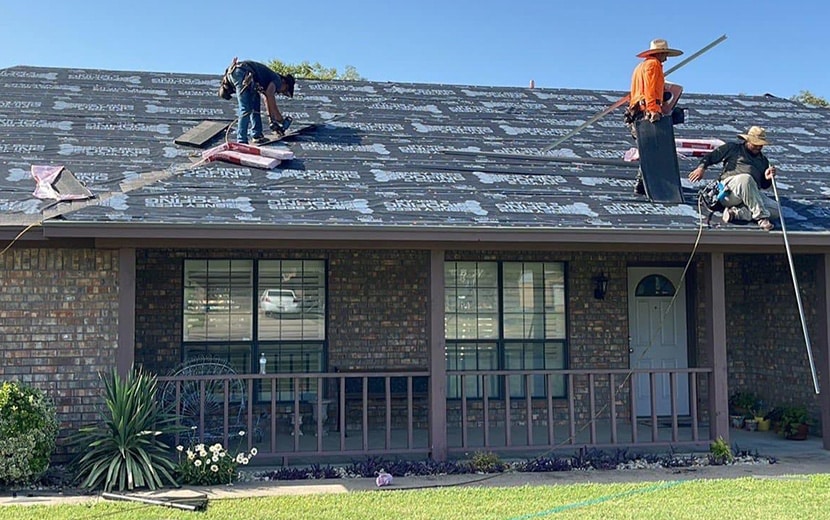
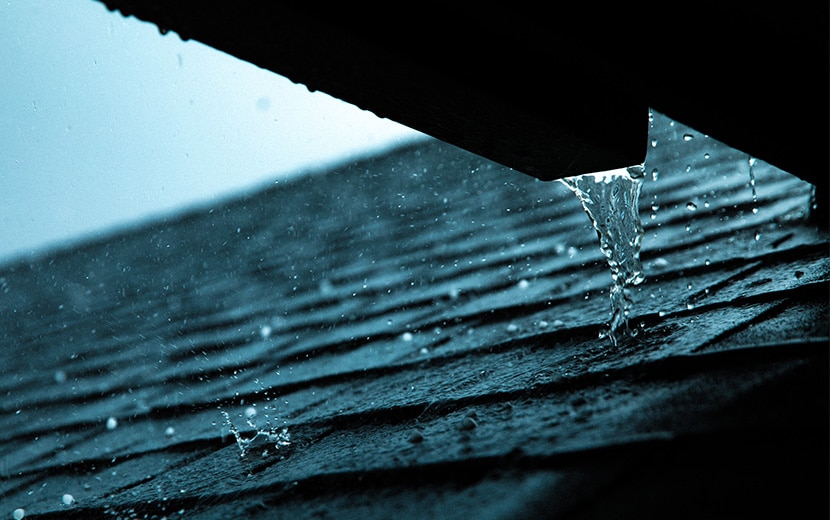
Preparing Your Roof for Extreme Weather Conditions: Tips and Best Practices Weathering the storm, quite literally, is one of the most critical roles that your home’s roofing system performs throughout the year. As the first line of defense against harsh weather conditions, your roof faces significant challenges from high winds, torrential rain, hail, and icy conditions. Understanding how to prepare and strengthen your roof for extreme weather can have a significant impact on its durability, your home’s safety, and your peace of mind. Choosing a reliable, experienced roofing contractor, like Honey Bees Roofing & Solar, can be your best bet to help you reinforce and maintain your roofing system for all weather conditions. This comprehensive guide will outline key tips, strategies, and considerations to help homeowners prepare their roofs for extreme weather events. Being well-prepared can make all the difference when it comes to ensuring your roof’s ability to withstand the challenges it encounters. We will also discuss the importance of regular roof inspections, long-term maintenance plans, and the value of expert assistance from professionals like Honey Bees Roofing & Solar in ensuring that your roof remains strong and resistant to the elements. According to an article from Forbes, as climate change continues to result in more frequent and severe weather events, it has never been more important to prioritize the health and durability of your roofing system. By adopting a proactive approach, you can minimize the likelihood of damage, reduce potential repair costs, and ensure your home is protected, regardless of what Mother Nature has in store. Roof Inspection: The First Step in Weather Preparedness A thorough roof inspection is the essential first step in preparing your home for extreme weather conditions. Consider these critical aspects when evaluating your roof’s readiness for adverse weather: Shingles and Flashing: Check for damaged, missing, or curled shingles and ensure that the flashing around vents, chimneys, and skylights is intact and secure. Debris and Gutter Maintenance: Regularly clean your gutters and remove any debris from the roof to facilitate proper drainage and prevent water buildup during heavy rainfall. Ventilation: Ensure your attic has proper ventilation which can help regulate temperature and moisture levels, minimizing the risk of damage caused by ice dams or condensation. Professional Assessment: Honey Bees Roofing & Solar can conduct a comprehensive inspection and recommend necessary repairs or preventive measures to ensure your roof’s optimal performance against extreme weather events. Strengthen Your Roof: Choosing the Right Materials and Techniques Upgrading your roofing materials and employing the appropriate reinforcement techniques can contribute significantly to your roof’s overall performance under harsh weather conditions. Consider these options: Impact-Resistant Shingles: Choose roofing materials that are highly resistant to impact, such as specially designed asphalt, metal, or polymer-based shingles, which can withstand hail and debris carried by high winds. Roof-to-Wall Connections: Strengthen your roof’s connection to the walls by using hurricane ties, straps, or clips, providing increased resistance against uplifting forces during strong winds. Waterproof Membranes: As a barrier against water infiltration, install a high-quality waterproof membrane beneath your roofing materials. This is particularly vital in areas prone to heavy rainfall or hurricanes. Expert Installation: Honey Bees Roofing & Solar can provide expert guidance and installation services, ensuring that your chosen materials and reinforcement techniques are implemented correctly and effectively. Ongoing Maintenance: The Key to Weather-Ready Durability A commitment to regular, ongoing maintenance is paramount in ensuring the long-term performance and durability of your roof. Adhere to these guidelines for optimal upkeep: Biannual Inspections: Schedule roof inspections at least twice a year – ideally in the spring and fall – to identify and address any issues that could impact your roof’s performance during extreme weather. Prompt Repairs: In the event any issues arise during inspections, promptly address them with help from a professional roofing contractor. Timely repairs can prevent further damage and minimize the risk of weather-related complications. Insulation: Ensure your attic has adequate insulation to maintain consistent temperatures and prevent issues like ice dams and heat buildup. Tree Maintenance: Trim any branches that hang over or near your roof to reduce the risk of damage from fallen limbs or debris during high winds or heavy snowstorms. Emergency Planning: Preparing for Weather-Related Damage Despite your best efforts, extreme weather may still cause damage to your roof. Being prepared for such events can assist with a swift response and recovery: Review Insurance Coverage: Carefully review your homeowner’s insurance policy to ensure it covers roof damage caused by various natural disasters and confirm the steps required for filing a claim. Document Conditions: Regularly photograph your roof and home’s exterior, providing a visual record of pre-existing conditions that can be useful for insurance claims in case of storm-related damage. Emergency Repair Kit: Assemble a basic roof repair kit, including tarps, plywood, nails, and other essentials, enabling you to perform temporary fixes and minimize further damage in the aftermath of extreme weather. Trusted Roofing Contractor: Establish a relationship with a reputable roofing contractor, like Honey Bees Roofing & Solar, who can provide expert assistance with repairs and restoration following inclement weather events. Conclusion Preparing your roof for extreme weather conditions is a critical component of maintaining the safety and durability of your home. With regular inspections, proactive maintenance, and a commitment to reinforcing your roof’s structure with suitable materials and techniques, you can reduce the risk of damage resulting from harsh weather events. A trusted partner like Honey Bees Roofing & Solar can provide invaluable professional guidance and services, ensuring that your roof is well-equipped to withstand everything Mother Nature has to offer. By embracing proactive measures and partnering with experienced roofing contractors, you can invest in your home’s long-term security and resilience, ensuring that your roof remains a steadfast shield against the harshest elements, come rain, hail, or snowstorm. Schedule an appointment today with one of the best roofing contractors in the area.

The Ultimate Guide to Roof Insulation
New Roof Installation, Roofing

The Ultimate Guide to Roof Insulation: Types, Installation, and Benefits

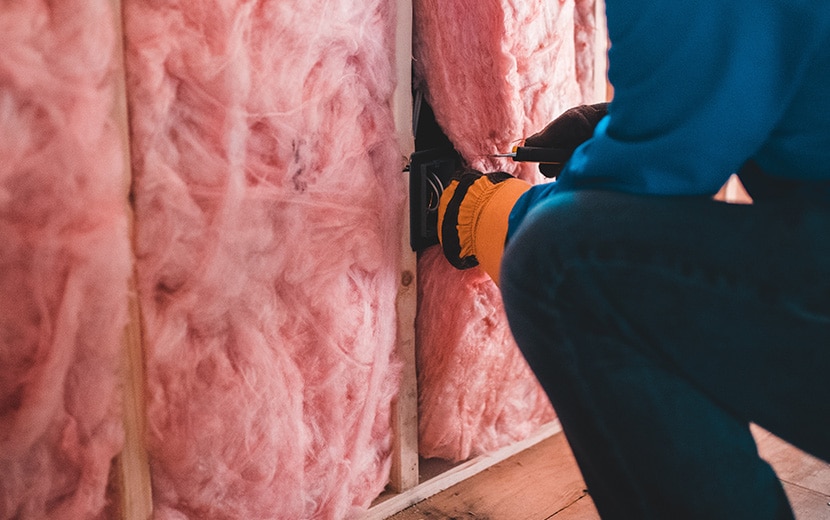
The Ultimate Guide to Roof Insulation: Types, Installation, and Benefits Effective insulation is a crucial aspect of any property’s overall comfort, energy efficiency, and long-term value. Roof insulation, in particular, plays a vital role in maintaining a comfortable indoor temperature, reducing energy consumption, and enhancing the performance of your HVAC system. In this comprehensive guide, we will explore the various types of roof insulation available, their benefits, and the process of installation. Additionally, we will highlight how the experienced professionals at Honey Bees Roofing & Solar can guide you on choosing the right insulation for your property and provide expert installation services. Roofs are typically insulated in two main ways: by insulating the attic floor (known as “cold roof” insulation) or by insulating directly beneath the roof deck (referred to as “warm roof” insulation). Each method has its advantages and disadvantages, and the choice ultimately depends on factors such as climate, construction type, and budget. Regardless of the method used, proper roof insulation can yield numerous benefits, including reduced heat transfer between the interior and exterior, enhanced energy efficiency, prevention of ice dams, and improved indoor air quality. When selecting the appropriate insulation material for your roof, it’s crucial to consider factors like the insulating property (R-value), ease of installation, resistance to moisture, and environmental impact. Popular insulation materials include fiberglass, mineral wool, spray foam, cellulose, and foam board. At Honey Bees Roofing & Solar, we understand the significance of proper roof insulation, and we are dedicated to offering professional advice, high-quality materials, and expert installation services to our clients. Our roofing specialists possess the knowledge and experience needed to help you make informed decisions about your insulation needs and deliver a solution tailored to your property’s unique requirements. By partnering with us, you can rest assured that your roof insulation project will be handled with care, providing lasting benefits for your property and anyone living there. In the following sections, we will delve deeper into the various types of roof insulation, the installation process, and the advantages of investing in insulation. We will also provide insights into how Honey Bees Roofing & Solar can make your roof insulation project easier, ensuring you achieve superior comfort and energy efficiency for your property. Understanding Different Types of Roof Insulation There are various insulation materials available, each with its unique properties and benefits. Let’s take a closer look at some popular roof insulation options: Fiberglass: Made from fine glass fibers, fiberglass insulation is lightweight and easy to install. It is available in rolls or batts and provides excellent thermal resistance with a high R-value per inch. However, it can be less effective if exposed to moisture, making it crucial to ensure proper installation and moisture control. Mineral Wool: This type of insulation is made from molten rock or slag wool, providing excellent thermal and sound insulation. It is also fire-resistant and won’t be affected by moisture. However, mineral wool can be more expensive than other insulation materials like fiberglass. Spray Foam: Spray foam insulation is applied by spraying a liquid foam directly onto surfaces, filling gaps and cracks. Once the foam expands and hardens, it offers superior insulation and air sealing. This type of insulation can be either open-cell or closed-cell, with closed-cell being more energy-efficient but more expensive than open-cell. Cellulose: Made from recycled paper or wood fibers, cellulose insulation is an environmentally-friendly option. It provides excellent thermal performance and also has sound-dampening qualities. However, cellulose insulation can be more susceptible to moisture and may require an additional vapor barrier. Foam Board: Comprised of rigid foam panels, foam board insulation offers high R-values and excellent moisture resistance. It can be used in both cold and warm roof insulation applications but may require specialized cutting tools for proper fitting and installation. Choosing Between Cold Roof and Warm Roof Insulation As mentioned earlier, there are two primary methods of insulating a roof: cold roof insulation and warm roof insulation. Each has its advantages and is suitable for different situations: Cold Roof Insulation: This method involves installing insulation material on the attic floor, thereby insulating the living space below from the cold attic. Cold roof insulation is simpler and less expensive than warm roof insulation, making it a popular choice for retrofitting existing properties. However, it requires good ventilation to prevent moisture buildup and potential condensation issues in the attic. Warm Roof Insulation: In this method, insulation is placed directly beneath the roof deck, creating a warm, insulated space within the attic. Warm roof insulation is particularly suitable for properties with inhabited attics, flat roofs, or complex roof designs. It also minimizes the risk of condensation and ice dams, as the entire attic space is kept at a stable temperature. However, warm roof insulation can be more challenging and costly to install, especially in retrofit projects. The Roof Insulation Installation Process The process of insulating a roof will vary depending on the type of insulation chosen and whether it is a new construction or a retrofit project. In general, here is what you can expect during the installation process: Assess your needs: Consult with a professional roofing contractor like Honey Bees Roofing & Solar to evaluate your property’s insulation requirements and determine the most suitable materials and method for your project. Prepare the area: Before beginning installation, the work area should be cleaned, and any necessary repairs or surface preparations should be carried out, such as sealing air leaks or installing a vapor barrier. Install insulation: Based on the insulation type and method chosen, the material will be installed according to manufacturer specifications and building codes. Proper installation is crucial to ensure the effectiveness and longevity of the insulation. Inspect and seal: Once the insulation is in place, a thorough inspection should be conducted to ensure that there are no gaps or other issues that could compromise the insulation’s performance. Any additional sealing or finishing work should be carried out to complete the installation. Benefits of Investing in Roof Insulation Investing in proper

The Most Cost-Effective and Long-Lasting Roofing Materials
Roofing Material

The Most Cost-Effective and Long-Lasting Roofing Materials

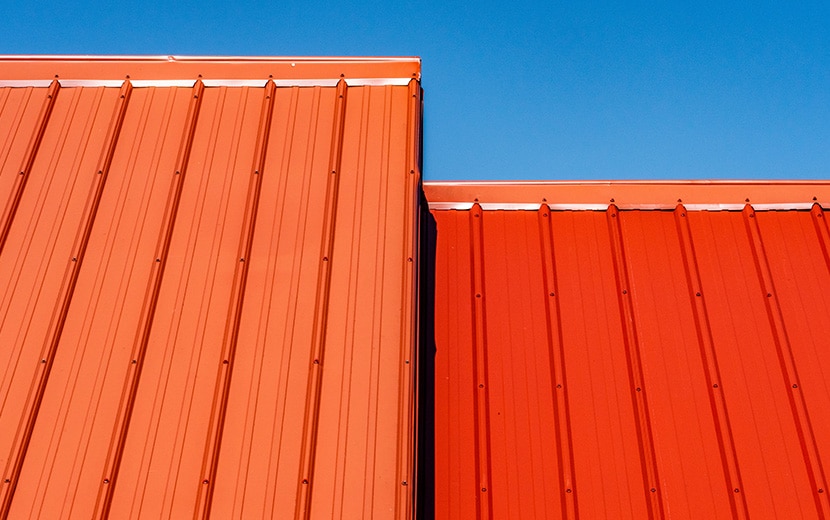
The Most Cost-Effective and Long-Lasting Roofing Materials The roofing material you choose for your home plays a critical role in its durability, aesthetics, and energy efficiency. With a vast array of options available, it can be overwhelming to select the best roofing material tailored to your home’s architecture, local weather conditions, and personal preferences. At Honey Bees Roofing & Solar, we are dedicated to assisting homeowners in finding the ideal roofing solution that suits their budget and requirements, all while ensuring a lasting and sustainable investment. This blog post will explore the most popular roofing materials, their unique benefits, and how our experts can help you make an informed decision. Choosing the right roofing material greatly influences the long-term performance and maintenance of your home’s roof. Factors including material type, cost, lifespan, and energy efficiency must be carefully considered to make the best possible choice. Equally important is making sure you choose skilled roofing professionals, like our team at Honey Bees Roofing & Solar, to ensure proper installation and maintenance for your chosen roofing system. As an experienced roofing contractor, we understand that every homeowner’s needs are unique. That’s why we offer a comprehensive range of roofing materials, from traditional shingles and metal, to more innovative choices like synthetic roofing. Our goal is to help you not only improve your home’s curb appeal but also increase its overall value and resilience against the elements. When selecting the ideal roofing solution, climate and local weather can significantly impact the performance and durability of your chosen material. For example, homeowners in areas with harsh weather or extreme temperatures may prioritize materials that offer higher weather resistance or improved energy efficiency. It is crucial to weigh the pros and cons of each available option before finalizing your decision. In this blog post, we will delve into various popular roofing materials, discuss their unique advantages, and provide guidance on how Honey Bees Roofing & Solar can help you select and install the perfect roofing system for your home. If you’re in the market for a new roof, stay tuned for valuable insights that can help make your decision simple and stress-free. Asphalt Shingles: The Popular Choice Asphalt shingles are the most popular roofing material among American homeowners, mainly due to their versatile design, affordability, and ease of installation. They come in a variety of styles, colors, and textures, enabling you to customize the look of your roof to match your home’s architecture and your personal preferences. Asphalt shingles are composed of a fiberglass or organic base coated with asphalt and covered with mineral granules. These granules provide UV protection and improve the shingles’ weather resistance. Although asphalt shingles typically have a lifespan of 20 to 30 years, advancements in technology have introduced high-quality options with extended lifespans and enhanced features. With a combination of cost-effectiveness, durability, and various design options, it’s no wonder asphalt shingles remain a top choice for many homeowners. Metal Roofing: A Durable and Energy-Efficient Alternative Metal roofing has become an increasingly popular option for homeowners seeking long-lasting and energy-efficient alternative to traditional shingles. Available in a wide range of materials, including steel, aluminum, copper, and zinc alloy, metal roofing boasts several benefits over other roofing materials: Longevity: Metal roofs can last for more than 50 years with proper maintenance, making them a strong contender for long-term value and durability. Weather resistance: Metal roofing can withstand extreme weather conditions like heavy rain, hail, snow, and high winds, which might otherwise damage traditional roofing materials. Energy efficiency: Metal roofs reflect sunlight, which helps to reduce your home’s cooling costs during warmer months. Design options: Metal roofing materials come in various styles, colors, and finishes, enabling you to customize the look of your roof. Despite its higher initial cost compared to asphalt shingles, metal roofing’s long-term benefits often justify the investment. Wood Shake and Shingle Roofs: A Natural and Aesthetic Option Wood shake and shingle roofs offer a classic, timeless appearance, making them an ideal choice for homeowners seeking a natural look. Typically made from cedar, redwood, or pine, wood shakes and shingles provide several benefits: Aesthetic appeal: Wood roofing materials have a unique charm, aging gracefully and naturally over time. Energy efficiency: Wood is a natural insulator, offering energy-saving properties that can help lower heating and cooling costs. Durability: With proper maintenance, wood shake and shingle roofs can last 30 to 40 years or more. However, wood roofing materials require regular maintenance to prevent issues like mold, rot, and insect damage. Additionally, they may not be suitable for areas prone to wildfires due to their combustible nature. Synthetic Roofing: Innovative and Low-Maintenance Synthetic roofing materials have gained popularity among homeowners in recent years, offering an innovative alternative to traditional options. Composed of materials like rubber and plastic, synthetic roofing options mimic the appearance of wood shakes, slate, or other natural materials, providing a low-maintenance alternative without sacrificing aesthetics: Durability: Synthetic roofing materials are resistant to impact, weather, and UV damage, offering a lifespan of up to 50 years. Low maintenance: Unlike natural materials, synthetic roofing options require minimal maintenance, making them a convenient choice for busy homeowners. Weather resistance: Synthetic materials can withstand harsh weather conditions, such as strong winds, heavy rain, and hail. Variety: Synthetic roofing options come in various colors, styles, and textures, allowing you to customize the appearance of your roof. While synthetic roofing materials may have a higher initial cost, their low-maintenance nature and resistance to damage can make them a sound investment for the long term. Breaking Down the Top Roofing Materials for Every Homeowner Overall, your choice of roofing material will depend on factors like your budget, location, and personal preferences. To ensure a well-informed decision, it’s crucial to weigh the pros and cons of each available option and consult with experienced Burleson roofing companies like the team at Honey Bees Roofing & Solar. At Honey Bees Roofing & Solar, we take pride in helping our clients choose the perfect roofing solution for their unique needs. Our

Why Is Regular Roof Maintenance Important for Your Home
Roof Inspection, Roofing

Why Is Regular Roof Maintenance Important for Your Home

Why Is Regular Roof Maintenance Important for Your Home Your home’s roof is one of its most essential elements, as it provides shelter, security, and insulation. A well-maintained roof not only enhances your house’s look but also increases its lifespan, preventing costly damages and emergency repairs. At Honey Bees Roofing, we understand the importance of regular roof maintenance in ensuring the longevity and efficiency of your home’s roof. This blog post will discuss the benefits of timely roof upkeep, share valuable tips to care for your roof, and provide information on our comprehensive roofing services. By carrying out regular roof maintenance, you protect your home and loved ones against leaks, water damage, and structural deterioration. Water infiltration and damage can lead to mold, rot, and other hazards that can affect your family’s health and safety. Furthermore, maintaining your roof also keeps its insulating properties intact, leading to lower energy consumption levels and reduced utility bills. To guarantee the best results, it is highly recommended to work with a trusted and experienced roofing company, such as Honey Bees Roofing. Our team of experts can thoroughly inspect, assess, and address any issues with your roof and create a tailored maintenance plan to ensure its optimal performance. By including preventive measures like cleaning, repairs, and tune-ups, our services aim to provide substantial cost savings and long-term peace of mind. Signs That Your Roof Needs Maintenance To keep your roof in optimal condition, it’s essential to know the signs that your roof requires maintenance. Regular inspections can help identify such issues, enabling you to address them promptly before they escalate into costly or irreparable damage. Some common indicators include: Missing or damaged shingles: Broken, missing, or curling shingles can expose your roof to water damage, resulting in leaks and potential structural issues. Inspect your roof periodically to ensure all shingles are in good condition. Sagging or drooping: If your roof shows signs of sagging in certain areas, it might indicate water damage or structural weakness. Such issues need immediate professional attention. Leaks and water spots: Check your attic and ceilings for dampness, water stains, and leaks. These signs indicate that your roof is not effectively keeping water out. Mold or mildew growth: Persistent dampness can lead to mold and mildew in your home, posing health risksto your family. If you notice such growth, consult a roofing expert. Roof Maintenance Tips for Homeowners As a homeowner, you can apply simple maintenance measures to safeguard your roof’s integrity. Regular attention to your roof can prevent minor issues from turning into significant problems. Here are some practical tips for maintaining your roof: Clean the gutters: Clogged gutters can cause water to overflow and accumulate on your roof, leading to damage. Periodically remove debris from the gutters to ensure proper water drainage. Trim nearby trees: Overhanging branches can scrape your roof, dislodging shingles or causing other damage. Consequently, periodic trimming of tree limbs will minimize the risk of such incidents. Inspect flashings: Inspect the metal strips around your chimney or pipe vents for damage or rust. Damaged flashings can let water in and cause leaks. Check for moss or algae: Moss and algae can undermine the integrity of your shingles and shorten their lifespan. Use specialized cleaning agents or employ professional cleaning services to protect your roof. The Benefits of Working with a Professional Roofing Contractor While some maintenance tasks are achievable on a DIY basis, it’s essential to recognize the value of professional roofing contractors for comprehensive assessments and specialized services. A professional roofer brings numerous advantages, including: Expertise and experience: A professional roofing contractor possesses extensive knowledge and experience in the industry, enabling them to address various roof-related issues efficiently. Use of specialized equipment: Roofing contractors have access to state-of-the-art tools and equipment required for safe and effective maintenance. Warranties and guarantees: Many roofing contractors offer warranties for their products and guarantees for their services, providing peace of mind to homeowners. Time and cost savings: A professional roofer can identify problems early and implement preventive measures, saving you time and money in the long run. Honey Bees Roofing’s Comprehensive Roof Maintenance Services At Honey Bees Roofing, we offer a range of roof maintenance services tailored to meet your unique requirements. Our team of dedicated professionals is equipped with the expertise and tools necessary to deliver prompt, efficient, and lasting solutions for your home’s roofing needs. Our services include: Roof inspections: We provide thorough inspections of your roof’s structure, identifying signs of damage early to prevent major issues. Repair services: Our team is skilled in addressing various types of roof damage, from repairing or replacing individual shingles to fixing leaks and structural damage. Preventive maintenance: We implement measures like gutter cleaning, flashing repairs, and other preventive services to extend your roof’s lifespan. In addition to our maintenance services, Honey Bees Roofing specializes in residential and commercial roofing solutions, including new installations and replacements to best suit your home improvement plans. Conclusion Proper roof maintenance is important to preserving your home’s safety, beauty, and value. By recognizing the signs of roofing issues, implementing practical maintenance strategies, and entrusting professional roofing contractors like Honey Bees Roofing, you can ensure a durable, attractive, and efficient roofing system for years to come. Investing in regular roof maintenance is a wise decision that will save you time and money while providing peace of mind that your home remains well-protected. Our team at Honey Bees Roofing is dedicated to delivering exceptional services and reliable solutions for all your roofing needs. Get in touch with us today to schedule a consultation, and let us help you move towards a healthier, more secure roof.

How to Decide Whether to Repair or Replace a Commercial Roof
Roof Repair, Roof Replacement, Roofing

How to Decide Whether to Repair or Replace a Commercial Roof

How to Decide Whether to Repair or Replace a Commercial Roof Commercial roofs are a vital aspect of any commercial property. They protect the property from external elements and keep the interior space safe and secure. However, over time, these roofs can deteriorate or sustain damage due to various reasons, such as wear and tear, weather conditions, or improper maintenance. When this happens, business owners are often faced with the dilemma of whether to repair or replace the roof. In this article, we’ll discuss some factors that can help you make an informed decision on whether to repair or replace a commercial roof. Assess the Age of the Roof The age of the roof is a critical factor in deciding whether to repair or replace it. Typically, commercial roofs can last between 15 to 25 years, depending on the type of material used and the level of maintenance it receives. If your roof is nearing the end of its life expectancy, it may be more cost-effective to replace it rather than repair it. Continuously repairing an old roof can become expensive, and the repairs may not last long. The Extent of Damage The extent of damage to a commercial roof is another crucial factor in deciding whether to repair or replace it. If the damage is minor and confined to a small area, then a repair may be sufficient. However, if the damage is extensive and affects a significant portion of the roof, then replacement may be necessary. It is essential to have a professional inspection of the roof to determine the extent of the damage and the best course of action. Cost The cost of repairing or replacing a commercial roof is another critical factor to consider. Repairing a roof may seem like the cheaper option, but it may not be the most cost-effective in the long run. Continuously repairing a roof can add up over time, and these repairs may not last long. On the other hand, replacing a roof may seem like a significant expense initially, but it may save you money in the long run. A new roof will require little maintenance and will last for many years. Energy Efficiency Energy efficiency is becoming increasingly important for many commercial property owners. A roof plays a significant role in a building’s energy efficiency. If your current roof is not energy efficient, it may be worth considering replacing it with a more energy-efficient option. A new roof can help lower energy costs by reducing heat transfer in the summer and heat loss in the winter. Future Plans The future plans you have for the commercial property should also be considered when deciding whether to repair or replace the roof. If you plan to sell the property in the near future, it may be more cost-effective to repair the roof rather than replace it. However, if you plan to keep the property for an extended period, then replacing the roof may be a better option. A new roof can increase the property value and make it more attractive to potential buyers. Final Thoughts Deciding whether to repair or replace a commercial roof can be a challenging decision. Factors such as the roof’s age, the extent of damage, cost, energy efficiency, and future plans should be considered before making a decision. It is essential to have a professional inspection of the roof to determine the best course of action. A commercial roofing contractor can provide you with a detailed assessment of your roof and recommend the best solution for your specific needs. Ultimately, the decision should be based on what is most cost-effective in the long run and what will provide the best protection for your commercial property. Whether you want to repair or replace your commercial roof, Honey Bees Roofing & Solar can help you out. We are Fort Worth commercial roofing contractors that provide cost-effective commercial roofing services. From cost to energy efficiency, we’ll provide all the need-to-know information to help you make the best selection for your business. Get in touch with us today!

8 Questions to Ask Your Commercial Roofing Contractor in Texas
Commercial Roofing, Roofing, Roofing Contractor

8 Questions to Ask Your Commercial Roofing Contractor in Texas

When it comes to commercial roofing, hiring the right contractor can make all the difference. A good contractor can ensure that your roof is installed or repaired properly and will last for many years. But with so many options out there, how will you know who to trust? To make an informed decision, it’s crucial to ask the right questions. In this article, we will provide you with eight essential questions to ask before hiring a commercial roofing contractor. 1. Are You Licensed and Insured? Contractors in Texas don’t need to be registered with the state or have licenses and insurance. However, hiring a commercial roofing contractor who is licensed and insured is a good idea. This will help safeguard the both of you from any mishaps or harm that might happen during the project. Make sure to ask about their license number and evidence of insurance. 2. What Is Your Experience with Commercial Roofing? It is important to know the contractor’s experience with commercial roofing. It is different from residential roofing, so it is crucial for the contractor to possess expertise and familiarity with commercial roofing systems. Ask about their past projects, the kinds of roofs they have handled, and their duration in the industry. 3. Can You Provide References? A reputable commercial roofing contractor will have no problem providing references from previous clients. Request a reference list and get in touch with them to inquire about their encounter with the contractor. If possible, ask to see some of their previous work to get an idea of the quality of work they provide. 4. What Is the Timeline for the Project? It is essential to know the timeline for the project before hiring a roofing contractor. Ask the contractor about the estimated start and completion dates, as well as any potential delays that may arise during the project. A good contractor should be able to provide you with a detailed timeline for the project. 5. What Is the Scope of the Project? Make sure you understand the scope of the project before hiring a contractor. Ask the contractor about the materials they will use, the process of installation or repair, and any potential issues that may arise during the project. This will help you understand the project better and ensure that there are no surprises down the road. 6. What Is the Cost of the Project?  Before hiring, make sure you understand the project’s expenses. Request a comprehensive quote from the contractor, which should cover material costs, workforce charges, and any additional costs that might emerge throughout the project. A good contractor should be able to provide you with a detailed estimate that is within your budget. 7. Do You Offer Any Warranties or Guarantees?  It is important to know whether the contractor provides any warranties or guarantees regarding their work quality. Inquire about their warranty or guarantee terms, their coverage, and duration. A reputable contractor should take responsibility for their work by offering a warranty or guarantee on their services. 8. How Will You Handle Any Potential Issues or Problems That Arise? Even with the best contractors, issues or problems may arise during the project. Ask the contractor how they will handle any potential issues or problems that arise, such as delays, unexpected expenses, or issues with the roof after installation or repair. A good contractor should have a plan in place to address any issues or problems that may arise. Conclusion Hiring the right commercial roofing contractor is essential for ensuring that your roof is installed or repaired properly and will last for many years. By asking the right questions, you can find a reputable contractor who has the experience, knowledge, and skills to handle your commercial roofing project. Make sure you ask about their license and insurance, experience, references, timeline, scope, cost, warranty or guarantee, and how they will handle any potential issues or problems that arise. Entrust your Fort Worth commercial roofing needs to Honey Bees Roofing & Solar. We are a trusted contractor committed to delivering high-quality services that exceed your expectations. Don’t wait any longer to get started on your project. Contact us now to schedule your consultation and experience exceptional results.

Emergency Roof Repair Tips
Roof Repair, Roofing

Emergency Roof Repair Tips

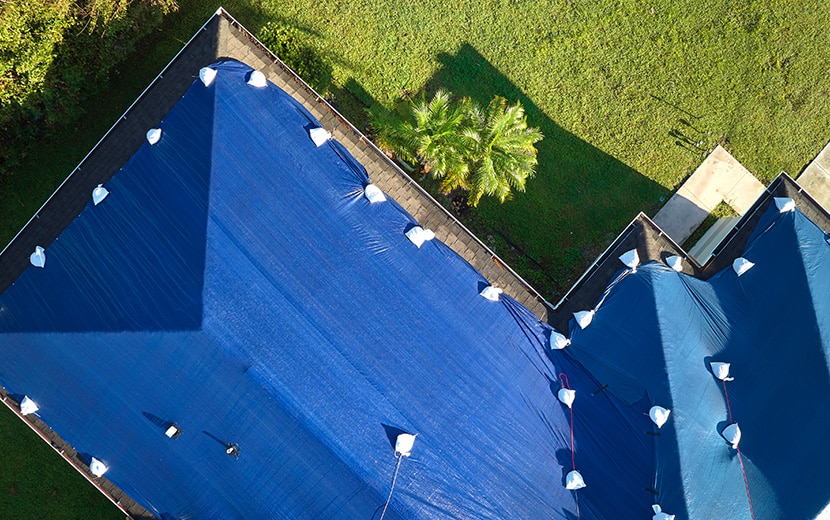
As a homeowner, there’s nothing more frustrating than discovering a leak or finding damage on your roof. Whether it’s due to extreme weather, falling debris, or wear and tear, a damaged roof can lead to expensive repairs and potential destruction to the interior of your home. In such situations, knowing some emergency roof repair tips is essential to minimize the damage and protect your home. This article will provide you with practical and easy-to-follow advice on how to handle emergency roof repairs. Emergency Roof Repair Tips 1. Safety First: Assess the Situation Before you attempt any roof repair, it’s crucial to prioritize your safety and the safety of others. If the damage is extensive or poses a significant risk, avoid going up on the roof and call a professional roofer immediately. Once you feel comfortable inspecting the damage, use a sturdy ladder, wear non-slip shoes, and have someone spot you to ensure your safety. 2. Identify the Source of the Leak or Damage To effectively address the issue, you need to determine the leak’s origin or damage. This may involve conducting a thorough roof inspection, both inside and outside your home. Look for signs of water damage or moisture in your attic or ceiling and inspect your roof for missing or damaged shingles, flashing, and other roofing materials. 3. Temporary Fixes: Using Tarps and Sealants In the case of small leaks or minor damage, temporary fixes can help prevent further damage until a professional can assess the situation and carry out a more permanent repair. One of the most common quick fixes is using a tarp to cover the damaged area. This can help protect your home’s interior from water damage and give you time to contact a professional roofer. To install a tarp, follow these steps: Measure the damaged area and cut a slightly larger tarp than the affected section. Secure the tarp to your roof using 2×4 boards and nails or screws. Ensure the tarp is tight and well-secured to prevent wind and rain from entering. Another temporary fix is using a roof sealant, which can be applied to small cracks or holes in your roofing materials. Roof sealants are available at most home improvement stores and can be applied with a caulking gun or brush. Be sure to follow the manufacturer’s instructions for application and drying times. 4. Clear Debris and Trim Overhanging Branches After addressing the immediate damage, take the time to clear any debris from your roof, such as fallen branches, leaves, or other materials that may have contributed to the damage. Additionally, trim any overhanging branches near your roof to prevent future damage from occurring. 5. Contact Your Insurance Company In some cases, your homeowner’s insurance policy may cover the payment of roof repairs or replacement, depending on the cause of the damage. Contact your insurance company as soon as possible to report the situation and determine if your policy covers the necessary repairs. 6. Hire a Professional Roofer for Permanent Repairs While these emergency roof repair tips and a temporary fix can help minimize damage, contacting a professional roofer for a thorough inspection and permanent repairs is essential. A professional will have the expertise, tools, and materials to ensure the roof is repaired correctly and protected against future issues. Make sure to research and hire a reputable, licensed, and insured roofing contractor to ensure you receive quality workmanship and reliable service. Conclusion Dealing with a destroyed roof can be overwhelming, but knowing these emergency roof repair tips can help you minimize damage, protect your home, and ensure you’re prepared for future issues. Remember to prioritize safety, quickly address any damage with temporary fixes, and consult a professional roofer for permanent repairs. By taking these steps, you can maintain the integrity of your roof and protect your home for decades. In search of a roof replacement specialist? Honey Bees Roofing & Solar is your go-to company in Burleson, TX. As a reliable roofing and solar contractor, we cater to residential and commercial projects, including repairs and more! Don’t hesitate to contact us now and have your roof taken care of in no time!

The Hidden Costs of Ignoring Storm Roof Damage
Roof Repair, Roofing, Storm Damage

The Hidden Costs of Ignoring Storm Roof Damage

As a homeowner, it’s important to stay on top of any storm damage that may have occurred to your roof. While it may seem like a minor inconvenience, ignoring storm roof damage can have hidden costs that can add up over time. This article will discuss six of the most significant hidden costs of ignoring storm roof damage. 1. Water Damage Water damage occurs when water penetrates through the roof and into the interior of the building, causing damage to floors, walls, and ceilings. This event can also lead to mold growth which cause harm to one’s health. The cost of repairing water damage can be significant and may not be covered by insurance if the damage results from negligence. It is important to address any storm roof damage immediately to prevent water from entering the building and causing further damage. 2. Energy Costs Ignoring storm roof damage can lead to costly consequences, not just immediate repairs, but it can also lead to energy costs. When a roof is damaged, it can compromise the insulation and ventilation, leading to energy loss and increased utility bills. A damaged roof may allow cold or hot air to escape, making maintaining a comfortable temperature inside your house difficult. This can lead to higher energy bills as you use more energy to regulate the temperature. Moreover, a damaged roof can cause air leaks that impact the efficiency of your HVAC unit, causing it to use more energy to work harder. 3. Insurance Issues When a storm hits, it’s not uncommon for homes to sustain roof damage. While it may be tempting to ignore the damage or put off repairs, this can lead to hidden costs down the line. Many insurance policies require homeowners to report damage within a certain timeframe, and failure to do so, can result in denied claims or reduced coverage. Additionally, waiting to make repairs can worsen the damage and lead to more expensive repairs in the future. 4. Structural Integrity Remember, the value of your home lies in its structural integrity. A damaged roof can compromise the safety and stability of your entire home. Moisture can seep through the roof, damaging the insulation, walls, and foundation. This can lead to mold growth, rotting wood, and structural damage. 5. Mold and Health Issues A roof damaged during a storm can lead to mold growth, which is a harmful health concern. Moisture is a key factor in mold growth, and a damaged roof can enable water to seep into walls and ceilings, providing the perfect environment for mold to thrive. Exposure to mold spores can cause respiratory problems and allergies and aggravate asthma symptoms. If you think mold is in your home, you should act immediately. You may need professional help to get rid of it properly and to keep it from returning. If you ignore the mold, it could cause serious health problems and result in expensive repairs to your home. Final Thoughts Ignoring storm roof damage can have significant hidden costs. To avoid these costs, inspecting your roof and completing any necessary repairs immediately after a storm is important. Doing so can ensure your home remains safe, healthy, and in good condition for years. Honey Bees Roofing & Solar understands exactly how damaging storms can be to your roof. That’s why we offer reliable and efficient roof repair services in Burleson. Trust our team of experts to assess the damage and provide quality solutions to ensure your roof is sturdy and secure. Don’t wait until it’s too late; contact us today to protect your home from further damage caused by storms.

Choosing a Metal Roof for Your Home: Benefits Explained
Roof Replacement

Choosing a Metal Roof for Your Home: Benefits Explained

When it comes to choosing the right roofing material for your home, there are many options available. From traditional asphalt shingles to modern materials like metal and synthetic roofing, it can be difficult to decide which one is the best for your needs. In this article, we will focus on the benefits of choosing a metal roof for your home. 1. Numerous Styles Available Metal roofing can be manufactured to mimic the look of other materials, such as wood shakes, clay tiles, and slate. This means that you can get the aesthetic appeal of these materials without the high cost and maintenance requirements associated with them. Additionally, metal roofing comes in various colors, so you can choose one that complements your home’s exterior. 2. Customization Options Metal roofing can be customized in thickness, coating, and finish. This means that you can choose a metal roof that is tailored to your specific needs. For example, if you live in an area that experiences a lot of harsh weather conditions, you can choose a thicker metal roofing material to provide additional protection. Additionally, you can also choose from a variety of coatings and finishes that can enhance the durability and aesthetic appeal of your metal roof. 3. Durability and Longevity One of the key benefits of choosing a metal roof for your home is its durability and longevity. Metal roofing is one of the most durable roofing materials available. It can withstand extreme weather conditions, such as heavy rain, strong winds, and hailstorms. Additionally, metal roofing is resistant to fire, which can provide an added layer of protection to your home. Metal roofing also has a long lifespan, with some materials lasting up to 50 years or more. This means that you won’t have to worry about replacing your roof for decades to come. 4. Resistance to Rot, Mildew, and Insects Unlike other roofing materials, such as wood shakes and asphalt shingles, metal roofing does not absorb water, which can lead to rot and mildew growth. Additionally, metal roofing is not susceptible to insect infestations, such as termites. This means that you can enjoy a roof that is free from these common issues that can cause damage to your home. 5. Fewer Maintenance Requirements Finally, choosing a metal roof for your home can reduce maintenance requirements. Metal roofing is relatively low-maintenance compared to other roofing materials. It does not require frequent cleaning or upkeep, saving you time and money in the long run. Additionally, metal roofing does not require regular repairs, which can be costly and time-consuming. Final Thoughts Choosing a metal roof for your home comes with a plethora of benefits that make it a wise investment for any homeowner. Metal roofs are durable, long-lasting, energy-efficient, and environmentally friendly. They can withstand extreme weather conditions, require minimal maintenance, and can even increase the resale value of your home. Additionally, metal roofs come in a wide variety of designs, colors, and styles, making it easy to find one that will complement your home’s aesthetic. If you are in the market for a new roof, consider a metal roof as a reliable and cost-effective option that will provide you with many years of protection and peace of mind. Once you’re ready for Burleson roof installation, work with us at Honey Bees Roofing & Solar! Contact us today to set up a free roof inspection!

Honey Bees Roofing

525 E Bethesda Rd.
Burleson, TX 76028
Phone 817-668-6131

Support

Important Links

FAQ

Contacts

Contacts

(732) 262-3141
380 Birch Bark Dr
Brick, New Jersey(NJ), 08723


525 E Bethesda Rd.
Burleson, TX 76028
Phone 817-668-6131

Scroll to Top