Roofing

Honey Bees Roofing & Solar offers the best roofing services in Fort Worth, TX and the surrounding DFW metroplex and neighboring towns.

Secure Your Property - Proven Tips to Waterproof Your Roof
Commercial Roofing, Roof Inspection, Roofing, Roofing Maintenance

Secure Your Property – Proven Tips to Waterproof Your Roof

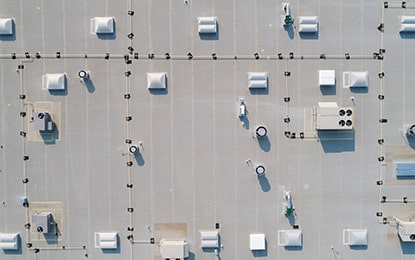
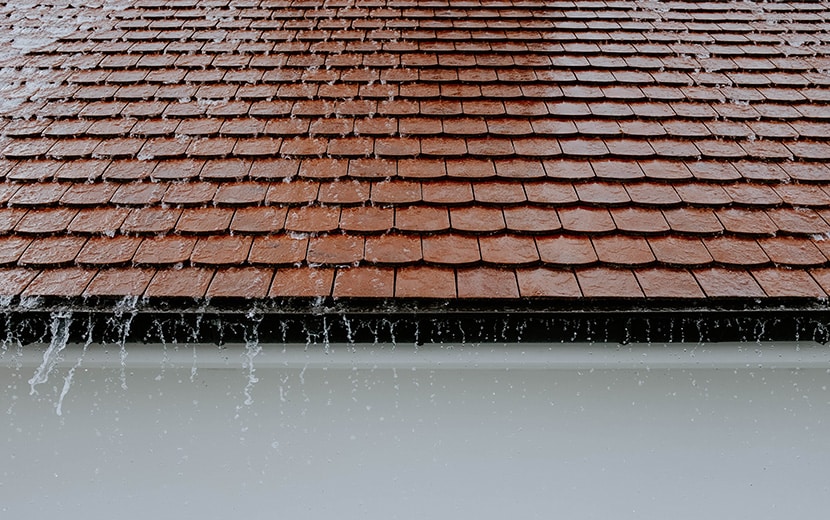
Water damage is a costly affair that can wreak havoc on your commercial property. It can lead to expensive roof repairs and even compromise the safety and integrity of your building. Waterproofing your commercial roof is a crucial step in preventing such damage and ensuring that your property remains in optimal condition. This blog will explore roof waterproofing, how often you should undertake this process, and some essential factors to consider when selecting the most suitable waterproofing solution for your commercial roof. The Importance of Waterproofing Your Commercial Roof Waterproofing is essential for any commercial roof, as it forms a barrier that prevents water and moisture from seeping into the building. This, in turn, helps to avoid the following issues: Structural damage: Water infiltration can weaken the building’s structure, causing wood rot, rust, and concrete deterioration. This may lead to costly roof repairs and potential safety hazards. Mold and mildew growth: Too much dampness creates an ideal setting for mold and mildew to flourish, potentially resulting in unhealthy air inside the building and posing health hazards for those living or working there. Insulation damage: Wet insulation loses its effectiveness, leading to higher energy costs and an uncomfortable indoor environment. Roofing system failure: Water damage can cause the roofing system to fail prematurely, leading to costly replacements and potential business interruptions. How Often Should You Waterproof Your Commercial Roof? There is no one-size-fits-all answer to this question, as the frequency with which you should waterproof your commercial roof depends on several factors, including the type of roofing system, the quality of the materials used, and the local climate. However, as a general rule of thumb,  professional roofing contractors recommend waterproofing your commercial roof every 5-10 years. Factors to Consider When Waterproofing Your Commercial Roof Roofing Material: The type of roofing material you have will determine the most suitable waterproofing solution. For example, metal roofs may require a different waterproofing product than asphalt or single-ply roofs. Discuss with a professional roofing contractor to determine the best approach for your specific roofing system. Climate: Roof waterproofing solutions should be selected based on the local environment. For instance, if your commercial property is located in an area with heavy rainfall, you may need a more robust waterproofing system that can withstand the constant onslaught of water. Similarly, select a waterproofing solution with excellent thermal resistance if your building is situated in a region with extreme temperature fluctuations. Drainage: Proper drainage is crucial in preventing water damage. Ensure that your commercial roof has an adequate drainage system in place, and regularly inspect and maintain the drains to prevent blockages and ensure the efficient flow of water. Warranty: When selecting a waterproofing solution, consider the warranty offered by the manufacturer. A longer warranty period typically indicates a higher-quality product that will provide long-lasting protection for your commercial roof. Budget: Waterproofing your commercial roof is an investment; however, it shouldn’t break the bank. Research various waterproofing products and solutions, and compare their costs and benefits to determine the most cost-effective option that meets your requirements. Twice Yearly Inspections Keep the Costly Repairs At Bay The most effective way to prevent your commercial building from experiencing a leaky roof is to ensure it undergoes an inspection at least twice annually. Regular inspections can identify potential problems before they become major issues, saving you money in the long run. During these inspections, a professional roofing contractor will assess the overall condition of your roof, looking for signs of damage, wear, and potential leaks. They will also check for proper drainage and ventilation, as well as any other factors that may contribute to roof leaks. This is incredibly important because issues with your roof might not be visible to anyone other than an expert roofer. Furthermore, if a roof technician doesn’t physically examine your roof for faults, the problematic areas could deteriorate as weather conditions worsen over time. Conclusion Waterproofing your commercial roof is a vital maintenance task that should not be overlooked. Contact competent roofing companies to discuss your specific needs and ensure that your commercial roof remains in optimal condition for the following years. At Honey Bees Roofing & Solar, we pride ourselves on being among the top Fort Worth roofing contractors, ready to cater to your requirements. Our skilled experts are dedicated to offering top-notch work at reasonable prices. Our goal is to deliver the finest service at a justifiable cost. Contact us today to set up your free roof inspection.

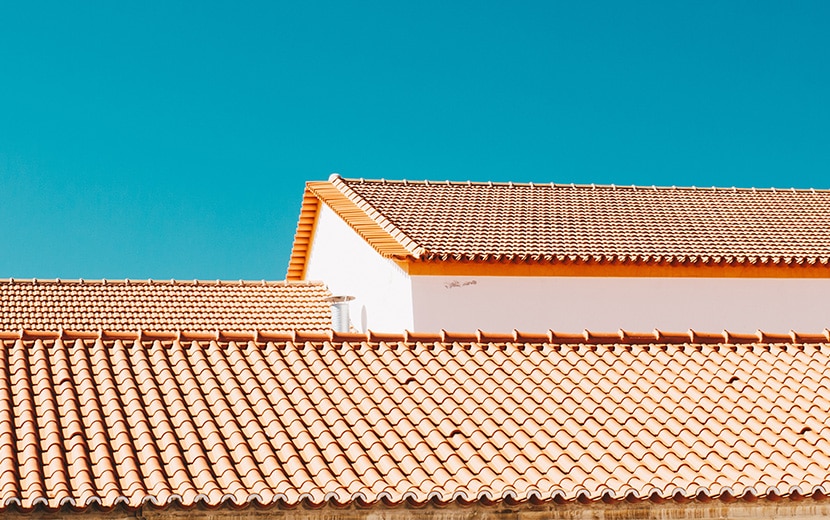
Why You Need Preventative Roof Maintenance for Your Business
Commercial Roofing, Roof Inspection, Roofing, Roofing Maintenance

Why You Need Preventative Roof Maintenance for Your Business

The roof of a commercial building is an essential component of the structure, and it plays a vital role in protecting the building’s contents and occupants from the elements. However, the roof is also one of the most neglected parts of a building, and this can lead to costly repairs and replacement. Preventative roof maintenance is one of the keys to ensuring that the roof remains in good condition and performs its intended function. This article will provide an overview of preventative commercial roofing maintenance. What Is Preventative Roof Maintenance? Preventative roof maintenance refers to the regular inspection and commercial roofing repair to ensure it is in good condition and performing its intended function. The goal of this service is to identify and address minor issues before they become major problems that require costly repairs or replacement. Benefits of Preventative Roof Maintenance Cost Savings: Regular maintenance can help identify and address minor issues before they can significantly impact your daily life. This way, you can fix them immediately and avoid expensive repairs and replacements in the future. Extended Roof Lifespan: Proper maintenance can help extend the lifespan of a commercial roof by addressing issues that can cause premature deterioration. Improved Energy Efficiency: A well-maintained roof can help improve energy efficiency by reducing heat loss in the winter and heat gain in the summer. Improved Safety: Regular maintenance can help identify and address safety hazards such as loose or damaged roofing materials. Compliance with Building Codes: Proper maintenance can help ensure that a commercial roof meets current building codes and regulations. Preventative Roof Maintenance Checklist Inspect the roof for signs of damage, such as cracks, leaks, or missing shingles. These issues can lead to water damage, mold growth, and structural damage. Clean the roof of debris, such as leaves, branches, and dirt. Debris can clog gutters and downspouts, leading to water damage and leaks. Inspect gutters and downspouts for damage or clogs. Clean them as necessary to prevent water damage and leaks. Check the roof flashing for damage or deterioration. Flashing is the metal material that seals the roof around vents, chimneys, and other protrusions. Inspect the roof for signs of wear and tear, such as cracks, blisters, or punctures, to prevent water and structural damage. Check for signs of mold or algae growth. These issues can lead to health problems and structural damage. Look for signs of animal damage, such as chewed or scratched roofing materials. These issues can lead to water damage and structural damage. Inspect the roof for signs of hail or wind damage. Like animal damage, these problems can also result in water and structural damage if not fixed quickly. Check the roof for signs of rust or corrosion as these can lead to leaks and structural damage. Inspect the roof for signs of sagging or unevenness. These issues can indicate structural problems that require immediate attention. When to Perform Preventative Roof Maintenance Preventative roof maintenance should be performed on a regular basis, typically every six months. However, the frequency may vary depending on the age and condition of the roof, the climate, and the material for commercial roofing. For example, roofs in areas with heavy snowfall may require more frequent maintenance to prevent damage from snow and ice buildup. Conclusion Preventative roof maintenance is essential for ensuring a commercial roof remains functional and in good condition. Its benefits include cost savings, extended roof lifespan, improved energy efficiency, improved safety, and compliance with building codes. By following a preventative roof maintenance checklist and performing maintenance on a regular basis, building owners can help ensure that their commercial roofs remain in good condition and provide reliable protection for their occupants and contents. For quality, Fort Worth commercial roofing services, choose Honey Bees Roofing & Solar. Our team of experts has the experience and commitment to deliver exceptional workmanship. Contact us today to schedule a consultation and discover how we can assist you with your roofing needs.

Hiring a Commercial Roofing Company- 7 Red Flags to Watch For
Roofing Company, Roofing Contractor

Hiring a Commercial Roofing Company- 7 Red Flags to Watch For

When it comes to your commercial property, the roof is one of the most important parts. A properly installed and maintained roof can protect your building and assets for years to come. However, choosing the wrong commercial roofing company can lead to costly mistakes and headaches. To help you make an informed decision, here are seven red flags to avoid when hiring a commercial roofing company. 1. Lack of Experience and Credentials The first red flag to watch out for is a lack of experience and credentials. A professional commercial roofing company should have a proven track record of successful projects and satisfied customers. They should also be licensed, insured, and certified to work in your area. If a company cannot provide these credentials, it’s best to move on to another option. 2. Unclear or Vague Contract Terms Another red flag to avoid is unclear or vague contract terms. A reputable commercial roofing company should provide you with a detailed contract that outlines the scope of work, project timeline, payment schedule, and warranty information. If the contract is unclear or lacks important details, it could lead to disagreements and misunderstandings down the line. 3. Pressure to Sign a Contract Immediately If a commercial roofing company pressures you to sign a contract immediately, it’s a major red flag. A reputable company should give you time to review the contract, ask questions, and make an informed decision. Don’t let a pushy salesperson pressure you into signing something you’re uncomfortable with. 4. Unprofessional Communication How a commercial roofing company communicates with you can be a good indicator of their professionalism. If they don’t return your calls or emails promptly, or if they’re unresponsive to your questions or concerns, it could be a sign of poor communication skills. A professional company should be easy to reach and should keep you informed throughout the project. 5. Lack of References and Testimonials A reputable commercial roofing company should be able to provide you with references and testimonials from satisfied customers. If they can’t provide these, it’s a red flag. Take the time to contact references and read testimonials to get a sense of the company’s work quality, professionalism, and customer service. 6. Low Bids or Estimates  Low bids or estimates can be tempting, but they can also be a sign of poor quality or unreliable work. A professional commercial roofing company will provide an accurate and detailed estimate that considers the cost of materials, labor, and any other necessary expenses. Low bids and estimates can also be a sign of a company that is cutting corners, so be sure to ask questions to make sure you’re getting the best quality of work. 7. No Written Warranty A reputable commercial roofing company should always provide a written warranty for their work. This should include details about the materials and services provided, any applicable terms and conditions, and the length of coverage. Without a written warranty, you may not be able to hold the company accountable if something goes wrong. Be sure to ask for a copy of the warranty before signing any contracts. Conclusion Hiring a commercial roofing company is a risky endeavor. It is important for business owners to take the time to ensure that the roofing company they hire has the experience and qualifications necessary to do good quality work. Business owners should always research the company, check references, and ensure they are properly insured and licensed before signing a contract. Additionally, they should be aware of any red flags that may indicate that the company is not reputable and avoid any companies that fail to meet their standards. By taking the time to do the research, business owners can ensure they hire a roofing company that will do quality work and provides long-term protection for their business. Honey Bees Roofing & Solar offers trusted roofing services to meet the needs of residential and commercial clients. If you are looking for a commercial roofing contractor in Burleson, work with us today.

How Can Hail Damage Your Roof?
Hail Damage, Roof Repair, Roofing

How Can Hail Damage Your Roof?

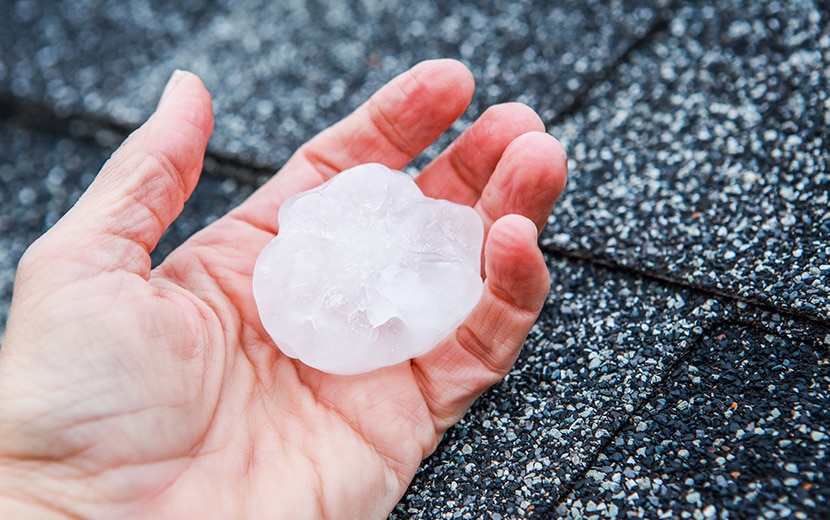
The destructive power of hail can be underestimated. Hail can cause extensive damage to property, including homes, businesses, and vehicles. Hailstones can range in size from pea-sized to baseball-sized. Large hailstones can cause significant structural damage to buildings, while smaller hailstones can cause minor damage, such as broken windows and damaged roofs. Hailstones can shatter windows, break roof shingles, dent vehicles, and damage siding or other exterior finishes. Hailstones can also cause significant damage to objects such as outdoor furniture, decks, railings, and awnings. Homeowners should be aware of the potential for hail damage and take steps to protect their property. This includes investing in hail-resistant roofing materials like metal roofs and securing windows with storm shutters or protective films. In today’s article, let’s explore how hail damage can affect your roof. Here’s what you need to know: What Does Hail Damage Do to a Roof? Hail storms can cause serious damage to your roof. While it may not be immediately obvious, hail can cause significant damage to your roofing system. Dimples or Dents One of the most common signs of hail damage is dimples or dents in the roofing material. Depending on the size of the hail, these dents can be prominent. Additionally, the dents typically do not come out with a simple brush of the hand. Cracked or Missing Shingles Hail can cause shingles to crack or even break off of the roofing system entirely. This can lead to leaks and further damage if left unchecked. Damage to Gutters Hail can also damage gutters, causing them to become bent or dented. This can lead to water pooling in certain areas, which can eventually cause water damage to the roof and the home. Damage to Flashing Flashing is an important part of the roofing system, as it helps to keep water away from the edges of the roof. Hail can cause damage to the flashing, allowing water to seep in and cause damage to the roof and home. Punctures  Hail can cause punctures in the roofing material, leading to leaks and water damage. This is especially common if the hail is large enough. Overall, hail can cause a lot of damage to a roof. Inspecting your roof after a hail storm is important to ensure it is not damaged. If you notice any damage, you should contact a professional roofer to make the necessary repairs. Doing so will help ensure your roof remains in good condition for years. The Importance of Protecting Your Roof From Hail Damage The first step in protecting your roof from hail damage, is making sure your roof is in good condition. Getting a professional roof inspection at least once a year is essential. During the inspection, the roofer can look for issues vulnerable to hail damage, such as missing or damaged shingles, loose nails, or any other signs of wear and tear. This will give you an idea of what repairs or replacements may be necessary to ensure your roof is in top condition. Another way to protect your roof from hail damage is to install a hail-resistant roof. There are various hail-resistant roofs, such as asphalt shingles, metal roofs, and synthetic materials. These materials are designed to be more resilient to hail and can help protect your roof from damage. The Bottom Line Protecting your roof from hail damage is important as it can be extremely costly to repair. This can be done by installing impact-resistant roofing materials, such as metal, rubber, composite shingles, and other materials. You can also install a hail guard system designed to protect your roof from hail damage. Other options include utilizing a roof rake or a tarp to cover the roof. Taking these steps will help you save money in the long run and keep your roof in good condition. If you’re looking for Fort Worth roofing contractors, we can help you. Honey Bees Roofing & Solar is a trusted roofing and solar contractor. We offer residential, commercial, and repair services! Contact us today to learn more and get started!

5 Factors to Consider When Hiring a Roofing Contractor
Roofing Contractor

5 Factors to Consider When Hiring a Roofing Contractor

A roofing contractor is a professional who specializes in installing and repairing roofs for residential and commercial buildings. They offer various services related to roofs, such as inspecting roofs for damage, repairs, replacement, and maintenance. Roofing contractors are well-versed in the different materials and techniques used in roof construction, so they can advise on the best choice for your particular needs. When inspecting roofs for damage, roofing contractors use specialized tools and techniques to assess the roof’s condition. They can identify any areas of weakness, such as missing or broken shingles or any other damage or wear and tear. They can also provide an estimate of the cost of repairs or replacement. That said, if you’re seeking the services of a roofing company, understand that not all roofing contractors are built alike. Some will do a better job than others, but how do you know who to work with? Consider these factors: 1. The Contractor’s Experience The first factor to consider is the contractor’s experience. The contractor should have a proven track record of successful commercial roofing projects in the past. It’s important to ask questions about the contractor’s experience, such as how many projects they have completed, how long they have been in business, and what kinds of roofs they have installed. It’s also a good idea to check online reviews and ask for references from past customers. 2. The Contractor’s License and Insurance The second factor to consider is the contractor’s license and insurance. A good contractor should have the appropriate license and insurance for the type of roofing project they are completing. This will ensure that if something were to go wrong, the contractor would be able to cover any damages or losses. It’s important to check that the contractor has the proper licenses and insurance before signing any contracts. 3. The Contractor’s Reputation The third factor to consider is the contractor’s reputation. Doing your research is essential when choosing a contractor. Check online reviews, ask around other businesses, and talk to people who have had experience with the contractor. This will give you a good idea of the contractor’s reputation and the quality of their work. 4. The Contractor’s Pricing The fourth factor to consider is the contractor’s pricing. Make sure that the contractor’s prices are competitive and that they are offering the best deal. It’s also important to ask about any additional fees or charges that may be added after the job is completed. 5. The Contractor’s Customer Service Policy Finally, it’s important to make sure that the contractor has a good customer service policy. The contractor should be willing to answer any questions you may have and should be available to provide assistance if needed. Conclusion Overall, these are some of the main factors to consider when hiring a contractor for your home improvement project. Make sure to do your research and ask questions so that you can make an informed decision. By doing this, you can ensure that you get the best contractor for your project and the best value for your money! Honey Bees Roofing & Solar offers trusted roofing services to meet the needs of residential and commercial clients. If you are looking for a commercial roofing contractor in Burleson, reach out to us today.

5 Unique Types of Roofing You Might Want to Consider
Roof Replacement, Roofing

5 Unique Types of Roofing You Might Want to Consider

Asphalt shingles are the most popular type of roofing in the United States because they are easy to find, affordable, and versatile. The most durable types of roofing are slate and clay tiles, but they are more expensive than materials like metal or wood. Functional roofing alternatives like green roofs and solar shingles are among the most expensive types. One of the best ways to invest in your home is to replace an old roof. You should choose the type of roof that best suits your home, climate, and budget. When installing a new roof, make sure to know the different types of roofing you can get. 1) Metal Roofing Metal roofing is durable, easy to install, and maintain. It is a good investment because it will last a long time and will keep your home cooler in the summer and warmer in the winter. Metal roofs are also environmentally friendly because they are made of recycled materials. This roofing is becoming increasingly popular in the residential market due to the many architectural styles it offers to homeowners. Metal roofing can be found in a variety of styles, such as standing seam and corrugated paneling, to match nearly any existing home. The most common roofing types in this category are stainless steel, aluminum, and zinc. However, you can also find copper, galvalume, and tin roofing options. We recommend that you contact a roofing professional to have this type of roofing installed. 2) Slate Roofing Slate is a natural stone that is durable, fire-resistant, and will last a long time. Slate roofs are beautiful and can enhance the look of your home. They are also environmentally friendly, because they are made of natural materials. Slate roofs are more expensive than other types of roofs, but they are worth the investment. Slate roofs will last longer than any other type of roof, and they will increase the value of your home. 3) TPO Roofing TPO roofing is a type of synthetic roofing material that is made from thermoplastic polyolefin. It is a single-ply membrane that is heat-welded or glued to the roof deck. TPO roofing is available in white, gray, or tan. It is energy-efficient and reflects heat, which can help keep your home cool in the summer. TPO roofing is also fire-resistant and UV-resistant. TPO roofing is less expensive than other types of roofing, but it is not as durable as slate or metal roofs. TPO roofing can last up to 20 years with proper maintenance. 4) Asphalt Shingles Different manufacturers mix different materials to create a variety of colors for asphalt shingles. However, the color will fade over time due to exposure to the sun. The color and quality of the shingles will also depend on whether you choose architectural or three-tab shingles. Composite asphalt shingles are made from a fiberglass sheet with asphalt coatings on each side. The side exposed to the elements is often dusted with granules of slate, quartz, or ceramic. Installing a shingle roof on your own is possible for many homeowners, but we always recommend hiring professional roofers. 5) Solar Shingles Solar shingles are installed in the same way as traditional asphalt shingles. These shingles have solar cells installed within the shingles. Solar shingles are a great way to generate electricity while protecting your roof from the elements. These shingles are made with photovoltaic cells, which are able to convert sunlight into electrical energy. In order to install solar shingles, you will need to hire a roofer who specializes in building-integrated photovoltaics (BIPV). Conclusion There are many types of roofing available on the market, each with its own set of pros and cons. There is no definitive answer when it comes to choosing a roofing type. It ultimately depends on your budget, the climate in your area, and your personal preferences. Whatever you prefer, Honey Bees Roofing can help you sort things out. We offer Fort Worth roof installation and replacement to secure your home. Get in touch with us today to learn how.

Why Should You Hire Roofing Contractors and Not Do DIY
Roofing

Why Should You Hire Roofing Contractors and Not Do DIY

DIY roofing projects can be a great way to save money and time. However, roofing is a complex and potentially dangerous task that should be left to the professionals. DIY roofing projects can cause expensive repairs, personal injury, and even death. Handy homeowners can easily complete numerous tasks around the typical home. Anyone can change switch covers, hang new doors, mend sink drains, and install new flooring with a little know-how and simple equipment. However, other home improvement projects are beyond the skills of inexperienced handymen and handywomen. In reality, in addition to needing specific equipment, expertise, or experience, taking on many of those as DIY tasks can be rather difficult. It is preferable to leave roof work to the experts for various reasons, including roofing installation and maintenance. In this article, we will explore why you should not attempt DIY roofing projects and where to find roofing contractors. Roofing Work Could Be Dangerous Working on your roof requires working at an elevation since you need to utilize ladders or scaffolding to access the roof surface for replacement or repairs. Because most homes lack the safety equipment an experienced Fort Worth roofer would use, homeowners, risk suffering significant injuries. Moreover, because even a fall from a single-story roof could be lethal, leaving roof maintenance to skilled and qualified personnel is preferable. Your Roof Must Be Safeguarded Your roof could be the most important piece of architecture in your home since it helps to maintain the structural integrity of everything underneath it. This is crucial to remember because your roof protects the inside of your home and the structure from the weather. To do any type of roofing, you need to do more than just lay down a few shingles. There is a roofing method that guarantees the roof won’t leak. Your roof is important, so you can’t risk making poor repairs, because a leaky roof mistake could result in significant property damage. It Might Cost You Many people conduct do-it-yourself household tasks to save money. However, due to poor quality, DIY roofing projects may cost more in the long run. This is because any mistakes you make could cause you to need professional correction, raising the cost, because they’ll have to undo your work and fix your errors to replace the roof properly. Costlier Materials DIY roofing may wind up costing you extra due to escalating material prices. Roofers can take advantage of volume discounts and bulk ordering to get the best prices on roofing supplies like shingles, felt paper, and flashings. If you have to buy those items in small amounts on your own, the cost of your job will increase significantly, because you’ll pay a higher price. A knowledgeable roofer has extensive access to the best materials. Therefore, even if you choose lower-quality materials for less money upfront, they will wear out sooner and cost more to fix or replace. No Guarantees For any Fort Worth roof repair, they perform on your home, professional roofing companies typically offer warranties, giving you assurance about the quality of the job and a safety net in case issues with the materials or the craftsmanship do arise. However, if you attempt to fix your roof, you won’t be given such a warranty. Any issues with your roof are entirely your own. Keep away from attempting to install or repair roofs on your own. Rooftop work is not advised for a do-it-yourself project due to the risk and expense involved. Instead, let the experts do the work on your behalf. Conclusion  DIY roofing projects are not recommended as they pose several risks and require a lot of experience and expertise. The roof is a very important part of a house and should be handled carefully. The roof also needs to be maintained and repaired regularly. If a homeowner attempts to undertake a roofing project without proper knowledge, it can lead to costly repairs, water damage, and even injury. It is recommended to work with a professional roofer with the knowledge and expertise to guarantee that the project is completed correctly. Honey Bees Roofing & Solar is one of the most trusted roofing contractors and solar contractors in Burleson, TX. Contact us for residential, commercial, repair, and more!

Rubber Roofing - What Is It & Why Should You Consider It
EPDM Roofing, Roofing

Rubber Roofing – What Is It & Why Should You Consider It

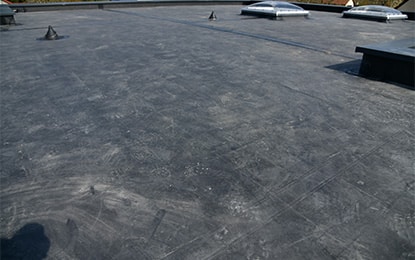
Rubber roofing is quickly becoming the go-to choice for eco-friendly, durable, and waterproof roofing material. From its long-lasting durability to its watertight sealing, rubber roofing is a great pick for any home. Let’s take a closer look at why rubber roofing is an eco-friendly and reliable choice for your commercial building. What Is Rubber Roofing? Rubber roofing, also known as EPDM (ethylene propylene diene monomer) roofing, is a type of roofing system made of rubber material. It is a popular choice for flat and low-slope roofs and is particularly popular for commercial buildings. Rubber roofing is made from a synthetic rubber membrane, which is then applied directly to the roof deck. It is a single-ply membrane, which means there is only one layer of protection between the roof and the elements. Rubber roofing is a great choice for flat and low-slope roofs, as it is lightweight and easy to install. It also offers excellent waterproofing and is highly resistant to weathering and damage from hail and wind. Rubber roofing is also resistant to fire, making it a great choice for commercial buildings. In terms of cost, rubber shingles are $4.25 to $8.25 per square foot or $425 to $825 per square. However, they can last twice as long, making them worth the investment. What Are the Benefits of Rubber Roofing? 1. Rubber Roofing Is Made from Eco-Friendly Materials Recycled rubber is often the main component used to make rubber roofing, meaning that it’s a great way to reduce your carbon footprint. It’s also highly durable and has a long lifespan. Plus, it’s waterproof and can be used in all kinds of weather. 2. Rubber Roofing Produces More Impenetrable Sealing Rubber roofing produces more impenetrable sealing than other roofing materials. This means that it can effectively keep out moisture, dirt, and other debris, as well as provide extra insulation and protection. It also creates a tight barrier against the elements, ensuring that you won’t have to worry about leaks or other damage. 3. Rubber Roofing Lasts for a Very Long Time Rubber roofing is known for its long lifespan. Rubber roofs are engineered to last between 30 and 50 years, depending on the quality of the material used. This makes them one of the longest-lasting roofing materials available. Furthermore, rubber roofs require little to no maintenance, making them an ideal solution for homeowners who want a durable roof without having to worry about frequent repairs. 4. Rubber Roofing Is Weather-Resistant Rubber is non-porous, meaning it won’t absorb water or moisture. This makes it an excellent choice for areas with heavy rain or snowfall. In addition, rubber roofs are resistant to ultraviolet radiation, making them ideal for hotter climates. The heat-resistant properties of rubber roofs also help reduce energy costs. 5. Rubber Roofing Installation Is Quick Rubber roofs can be installed in as little as a day, making them a great option for those looking for a fast roofing solution. Additionally, rubber roofs are lightweight, making them easier to install and transport. 6. Rubber Roofing Is Low Maintenance Rubber roofs require very little maintenance and can easily be cleaned with a garden hose. This means that you won’t need to hire a professional to perform regular maintenance, saving you money in the long run. 7. Rubber Roofing Is Energy Efficient Rubber roofs are much more energy efficient than traditional roofing materials. They are highly reflective, meaning that they can reflect heat away from your home, helping to keep it cool in the summer. This can also lower your energy bills by reducing the amount of energy needed to cool your home. Final Thoughts Rubber roofing is an excellent option for those looking for a durable and cost-effective roofing solution. It is an eco-friendly choice that offers superior protection, insulation, and energy savings. With proper installation and maintenance, a rubber roof can last for many years to come. For the best Fort Worth rubber roofing services, Honey Bees Roofing & Solar is an excellent choice. We are trusted and reputable contractors for roofing and solar installation and replacement, so you can rest assured that your property will look its best. Get started by booking a roof inspection today!

Commercial Roof Maintenance - The Importance and the Process
Commercial Roofing, Roofing

Commercial Roof Maintenance – The Importance and the Process

Maintaining a commercial roof is essential to ensure its longevity and performance. Commercial roofs protect a building and its occupants from the elements, and regular maintenance is the key to keeping them in optimal condition. Without proper maintenance, a commercial roof can suffer from serious problems such as leaks, water damage, and even collapse. What Are the Benefits of Commercial Roof Maintenance? Regular commercial roof maintenance can help you get the most out of your roof and provide many other benefits. Here are some of the key advantages of maintaining your commercial roof: 1. Reduce Repair Costs Regular maintenance can help keep small problems from becoming larger, and more expensive. You can save money on costly repairs that could otherwise be avoided by catching issues early on. 2. Increase Energy Efficiency Regular maintenance can help improve the energy efficiency of your building. A well-maintained roof can help keep your building cool in the summer and warm in the winter, reducing the energy needed for heating and cooling. 3. Improve Longevity A well-maintained roof can help extend the life of your roof. Regularly inspecting and repairing your roof can help prevent further damage and keep your roof in good condition for many years. 4. Improve Safety A quality roof helps protect your building from water damage and other issues that can lead to health and safety concerns. Regular maintenance can help identify potential hazards and keep your roof safe. 5. Increase Aesthetic Appeal Regular maintenance can help keep your roof looking its best, which can help improve the overall look of your building. Quality roofing materials and regular maintenance can help make your building look more attractive and inviting. What Is the Commercial Roof Maintenance Process? The commercial roof maintenance process involves various steps, from inspecting the roof for signs of wear and tear to replacing worn-out parts. Here’s a look at the commercial roof maintenance process. Inspection The first step in commercial roof maintenance is to inspect the roof. A qualified roofing contractor should do this at least once a year. During the inspection, the contractor will look for any evidence of damage, such as cracks, punctures, or worn areas. The contractor may also use specialized equipment to identify areas that need repair or replacement. Cleaning Once any damage is identified, it’s important to clean the roof. This should include thoroughly cleaning the surface and any gutters, drains, or other drainage systems. A pressure washer may remove the dirt and debris if any areas are particularly dirty. Repairs After the cleaning is complete, the next step is making necessary repairs. This could include patching cracks or replacing the roof’s worn sections. Depending on the type of roof, it may also be necessary to replace any insulation or any seals or membranes that have been damaged. Coatings After the repairs are complete, the roof should be coated with a protective coating. This coating will help protect the roof from the elements and will also help to improve its lifespan. The type of coating that is used will depend on the type of roof and its condition. Maintenance Finally, it’s important to keep up with regular maintenance. This could include cleaning the roof and gutters, inspecting for damage, and making necessary repairs. It’s also a good idea to have the roof inspected by a qualified contractor at least once a year to ensure that any problems are caught early and addressed quickly. Conclusion It’s important to keep your commercial roof in good condition to avoid costly repairs or replacement. Maintenance can be as simple as regularly cleaning it and removing debris. You should also inspect your roof regularly for any signs of damage and make repairs as soon as possible. By taking these steps, you can extend the life of your roof and avoid expensive repairs or replacements. If you are seeking roofing companies in Burleson, you can contact us at Honey Bees Roofing & Solar. We deal with both commercial and residential roofing, whether it be installation, repair, maintenance, or more. Hire us at Honey Bees Roofing & Solar for all your roofing needs.

6 Ways Metal Roofs Are Much Better than Wooden Roofs
Metal Roofing, Roofing

6 Ways Metal Roofs Are Much Better than Wooden Roofs

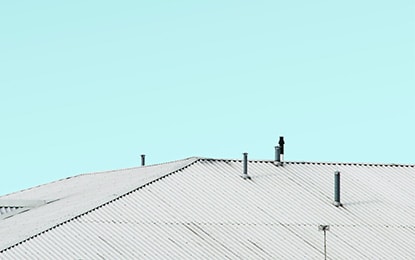
If you’re looking for an alternative to traditional roof materials, metal roofing may be the perfect option for you. Metal roofs offer a number of advantages over traditional materials like wood, making them an increasingly popular choice among homeowners. In fact, if you want a little example of how they differ, a weird but accurate example comes from roller coasters. For many generations, roller coasters have been a way for people to experience thrills and excitement. From their humble beginnings fashioned from wood, roller coasters have come a long way. The technology and engineering behind these rides have advanced greatly over the years, leading to modern steel coasters becoming the standard. With their incredible speeds and heart-stopping drops, these exhilarating rides provide an unforgettable experience for thrill-seekers. So, what about the metal part? Much like how wooden roller coasters aren’t too practical, let alone affordable, to build, the same can be said with roofs. Wooden roofs are expensive and don’t do as good of a job as metal does, which, by the way, is much cheaper! That being said, let’s dive into the variety of ways metal roofs are better than wooden roofs: 1. Durability Metal roofs are extremely durable and resilient, meaning they can stand up to harsh weather conditions and last for decades with minimal maintenance. And, they can last a lot longer than wooden roofs. Wooden roofs, on the other hand, are more prone to damage from wind, rain, and snow and require more frequent repairs and replacements. And, while wooden roofs can sometimes match the lifespan of metal roofs, the maintenance needed to achieve that is just a lot more. 2. Cost Metal roofs are generally cheaper to install and maintain than wooden roofs. Additionally, metal roofs are usually cheaper to insure, as they are less prone to damage from the elements. For that reason, metal roofs are an overall much cheaper roofing solution. 3. Energy Efficiency Metal roofs are highly efficient at reflecting the sun’s rays, which can help to keep your home cool during the summer months. Wooden roofs are not as effective at reflecting the sun’s rays, which can lead to higher energy bills. 4. Fire Resistance Metals don’t actually catch on fire like wood does and are fire-resistant. While this benefit may not mean much for areas that barely experience any wildfires or enjoy plenty of rain, it is still a benefit that can come into play. You wouldn’t want to be caught with a wooden roof should your home somehow catch on fire. 5. Environmental Impact At first, it might seem that metal roofs may hurt the environment more. However, metal roofs are more eco-friendly than wooden roofs, as they contain fewer toxins and use less energy during production. Additionally, metal roofs can often be recycled when they need to be replaced. And, of course, that wood has to come from some tree, so that alone makes it not as environmentally friendly as metal. 6. Design Metal roofs are available in a variety of styles and colors to suit any home, while wooden roofs are limited in their design options. This means you can easily find a metal roof that complements the look of your home. This isn’t to say that wood doesn’t have many designs. However, thanks to the versatility of metal, there are just way more options. Conclusion All in all, metal roofs are a great option for any home. They are durable, cost-effective, energy-efficient, fire-resistant, and eco-friendly. Plus, you can find a metal roof in a style that suits your home’s aesthetic. If you’re looking for a roofing solution, metal roofs are definitely worth considering! Honey Bees Roofing & Solar is a trusted roofing and solar contractor that offers a variety of services for both commercial and residential properties. If you are looking for Burleson roof installation, reach out to us today.

Honey Bees Roofing

525 E Bethesda Rd.
Burleson, TX 76028
Phone 817-668-6131

Support

Important Links

FAQ

Contacts

Contacts

(732) 262-3141
380 Birch Bark Dr
Brick, New Jersey(NJ), 08723


525 E Bethesda Rd.
Burleson, TX 76028
Phone 817-668-6131

Scroll to Top